


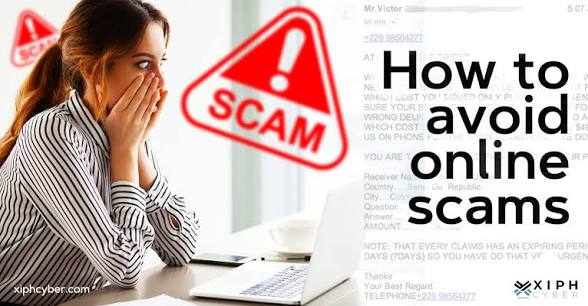
The internet has opened up endless opportunities for communication, business, and learning. However, alongside these benefits comes a growing number of cybercriminals who are constantly developing new ways to deceive unsuspecting users. Internet scams have become more sophisticated, more convincing, and more dangerous than ever before.
Understanding how these scams work is the first and most important step toward protecting yourself. This detailed guide explores ten of the most common internet scams, how they operate, and practical steps you can take to avoid becoming a victim.
1. Phishing Scams
Phishing scams are among the most widespread online threats. They involve fraudulent messages that appear to come from trusted sources such as banks, social media platforms, or online services.
Scammers often send emails or messages that look very official. These messages may ask you to click a link, verify your account, or provide sensitive information such as passwords or credit card details.
Get TikTok SEO Cheat here
Once you click the link, you are taken to a fake website that looks almost identical to the real one. Any information you enter is immediately captured by the scammer.
To avoid phishing scams, always check the sender’s email address carefully. Avoid clicking links in unsolicited messages. Instead, visit the official website directly by typing the address into your browser. Enable two factor authentication on your accounts to add an extra layer of protection.
2. Online Shopping Scams
Online shopping scams lure victims with unbelievably low prices on popular products. These fake websites or sellers often advertise high demand items at discounted rates to attract buyers.
After payment is made, the product is either never delivered or is completely different from what was advertised.
Some scammers even create fake reviews and ratings to make their websites appear trustworthy.
To protect yourself, always shop from reputable websites. Check for secure payment options and verify customer reviews from independent sources. If a deal seems too good to be true, it probably is.
3. Lottery and Giveaway Scams
In this scam, victims receive messages claiming they have won a lottery or prize even though they never entered any competition.
The scammer then asks for a processing fee, tax payment, or personal information to claim the prize.
Once the victim sends money or details, the scammer disappears.
Legitimate lotteries do not require upfront payments to release winnings. Always be skeptical of unexpected prize notifications and never share personal or financial information in response to such messages.
Read More On:
- 10 Best Data Saving Apps for Maximising Data
- 10 Cheapest Data Plans in Nigeria All Networks Compared
4. Romance Scams
Romance scams take advantage of emotions and trust. Scammers create fake profiles on dating platforms or social media and build relationships with victims over time.
After gaining trust, they fabricate stories involving emergencies, travel expenses, or medical issues and request money.
These scams can last for weeks or even months, making them particularly damaging both emotionally and financially.
To avoid romance scams, be cautious when interacting with people you have never met in real life. Avoid sending money to someone you only know online. Be alert if the person avoids video calls or provides inconsistent information about themselves.
5. Tech Support Scams
Tech support scams involve fraudsters posing as representatives of well known technology companies. They claim that your device has a virus or security issue and offer to fix it.
They may ask you to install software that gives them remote access to your device or request payment for unnecessary services.
Once they gain access, they can steal sensitive data or install malware.
To stay safe, remember that legitimate companies do not contact users unexpectedly about technical issues. Never grant remote access to unknown individuals and always seek support directly from official company websites.
6. Investment Scams
Investment scams promise high returns with little or no risk. These schemes often involve cryptocurrency, forex trading, or fake business opportunities.
Scammers use convincing language and fake testimonials to lure victims into investing money.
After receiving the funds, they either disappear or manipulate the victim into investing even more.
Always research any investment opportunity thoroughly. Verify the legitimacy of the company and avoid schemes that pressure you to act quickly. If the returns sound unrealistic, it is likely a scam.
Read More On:
7. Job Offer Scams
Job scams target individuals looking for employment. Scammers post fake job listings or send unsolicited job offers with attractive salaries.
They may ask for application fees, training costs, or personal information such as bank details.
In some cases, victims are asked to perform tasks that unknowingly assist in illegal activities.
To avoid job scams, apply only through trusted platforms and company websites. Be cautious of employers who request payment during the hiring process. Legitimate employers do not charge fees to offer jobs.

8. Social Media Scams
Social media platforms have become a hotspot for scammers. These scams include fake giveaways, impersonation accounts, and malicious links.
Scammers may pretend to be friends, celebrities, or brands to gain trust. They then request money or encourage users to click harmful links.
Always verify the authenticity of accounts before engaging. Avoid clicking suspicious links and adjust your privacy settings to limit exposure. Report and block suspicious accounts immediately.
9. Business Email Compromise Scams
This type of scam targets businesses and professionals. Scammers gain access to or imitate official email accounts and request urgent payments or sensitive information.
For example, an employee may receive an email that appears to be from their boss asking them to transfer money to a specific account.
These scams rely heavily on urgency and authority to trick victims.
To prevent this, always verify financial requests through a second communication channel. Implement strong email security measures and educate employees about recognizing suspicious emails.
10. Fake Charity Scams
Fake charity scams exploit people’s goodwill, especially during crises or natural disasters. Scammers create fake organizations or impersonate real charities to collect donations.
They often use emotional appeals and urgent messages to pressure individuals into donating quickly.
To protect yourself, research charities before donating. Use official websites and trusted platforms. Avoid donating through unsolicited messages or unknown links.
Conclusion
Internet scams continue to evolve, becoming more convincing and harder to detect. However, with awareness and caution, you can significantly reduce your risk.
Always question unsolicited messages, verify sources, and protect your personal information. Staying informed and alert is your best defense against online fraud.
By understanding these common scams and applying the prevention tips outlined above, you can navigate the digital world safely and confidently.
Read More On: