

April 1, 2026, stands as a historic moment in the story of modern technology and global business. On this exact date 50 years ago, three men, Steve Jobs, Steve Wozniak, and Ronald Wayne, came together in a modest garage in Los Altos, California, to sign the partnership agreement that gave birth to Apple Inc., then known as Apple Computer Inc.
What started as a small, ambitious venture has grown into one of the most powerful and influential companies in history. Today, Apple is no longer just a computer manufacturer. It is a global cultural force and a financial giant valued at approximately 3.6 trillion dollars. To mark this golden anniversary, the company has brought back its iconic “Think Different” campaign, reminding the world of its roots while also pointing firmly toward the future.
From a Garage Dream to a Global Empire
Apple’s rise from a small startup to one of the most valuable companies in the world is often described as the ultimate Silicon Valley success story. It is a journey filled with bold innovation, internal struggles, near collapse, and remarkable reinvention.
The Three Defining Eras of Apple
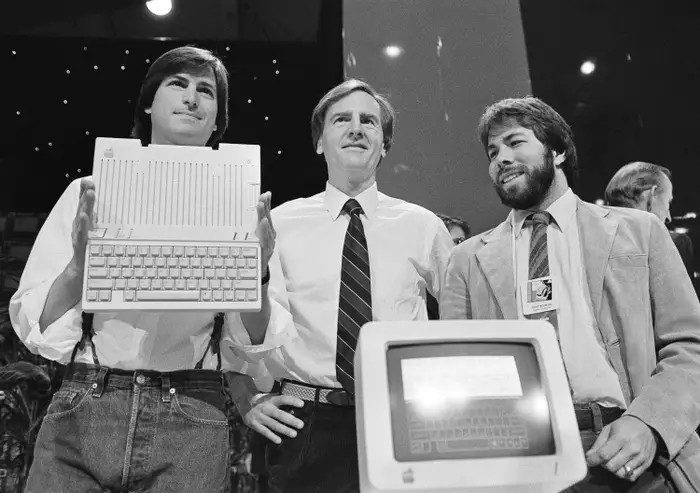
1. The Rise and the Near Collapse (1976 to 1997)
In its early years, Apple played a central role in launching the personal computer revolution. Products like the Apple II made computing accessible to individuals and small businesses, while the Macintosh introduced a more user friendly graphical interface that changed how people interacted with machines.
Get TikTok SEO Cheat here
However, success was not consistent. In 1985, internal tensions led to the departure of Steve Jobs from the company he co-founded. Without his vision, Apple struggled to maintain its identity and direction. Over the next decade, it faced declining relevance, poor product decisions, and intense competition.
By 1997, Apple was on the brink of bankruptcy. In what many consider one of the greatest comebacks in corporate history, Steve Jobs returned to the company. His comeback marked a turning point that would redefine Apple’s future.
2. The Golden Era of Innovation (1997 to 2011)
Following Jobs’ return, Apple entered a period of extraordinary innovation and growth. This era introduced a series of groundbreaking products that reshaped entire industries.
The iMac reimagined personal computers with bold design and simplicity. The iPod transformed how people listened to music, placing thousands of songs in their pockets. Then came the iPhone, a device that revolutionized communication and effectively created the modern smartphone era. The iPad followed, opening up a new category of portable computing.
During this time, Apple did more than create devices. It changed how people connected, communicated, consumed media, and interacted with technology on a daily basis.
Read more on:
- No Resignation: Adebayo Adelabu Dismisses Viral Claims
- Apple’s Biggest Design Mistake Is About to Disappear
- Transform Your Kitchen: The Ultimate Guide to Zero-Waste Living
- How to Set Healthy Digital Boundaries in an Always On World
- The Rise of 5G in Nigeria and What It Means for Digital Marketing
3. The Era of Ecosystems and Silicon Power (2011 to Present)
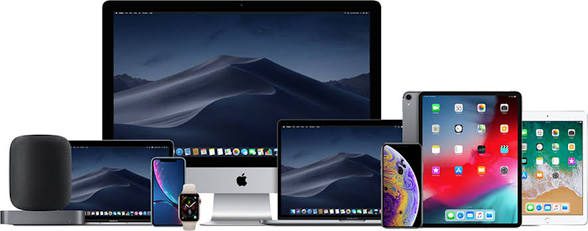
After the passing of Steve Jobs in 2011, leadership transitioned to Tim Cook. Under his guidance, Apple entered a new phase focused on scaling its ecosystem and strengthening its technological foundation.
The company’s market value surged from around 350 billion dollars to over 3.6 trillion dollars. One of the most significant shifts during this period was Apple’s move to develop its own chips, known as Apple Silicon. The introduction of the M series processors allowed Apple to have greater control over performance, efficiency, and integration across its devices.
At the same time, Apple expanded heavily into services such as music streaming, cloud storage, and digital entertainment. Platforms like Apple Music, Apple TV Plus, and iCloud became central to its business model, creating a tightly connected ecosystem.
Today, Apple’s ecosystem includes more than 2.5 billion active devices worldwide, making it one of the most deeply integrated technology platforms ever created.
Apple by the Numbers in 2026
As of April 2026, Apple’s financial performance continues to set the standard for global corporations.
The company’s market capitalization stands at roughly 3.63 trillion dollars, placing it among the most valuable companies on Earth. In the first quarter of 2026 alone, Apple generated revenue of 143.8 billion dollars, reflecting a 16 percent increase compared to the previous year.
Its profit margin sits at an impressive 29 percent, a sign of its strong pricing power and efficient operations even in an uncertain global economy.
To understand Apple’s long term value, consider this: an investment of 10,000 dollars during its 1980 initial public offering would now be worth around 19 million dollars. This level of growth highlights the company’s sustained ability to innovate and dominate markets over decades.
Read more on:
- Federal High Court Transfers ₦3.44 Billion Assets to Nigerian Government
- Meet “Private Sammy”: Inside the Galaxy S26 Ultra
- Gaming Power in a Tablet Body: Meet the Z13-KJP
- Your Network Fails, You Get Paid: Here’s How It Works
A New Philosophy Under Tim Cook
While Apple is widely celebrated for its devices, Tim Cook has used the 50th anniversary to address a growing concern about technology use, especially smartphone addiction.
In a recent interview, he made it clear that Apple does not want people to become overly dependent on their devices. He emphasized the importance of human connection and encouraged people to spend more time engaging with the world around them rather than endlessly scrolling on screens.
This perspective may seem surprising coming from the head of the world’s most successful smartphone company. However, it reflects a deeper shift in Apple’s philosophy toward creating technology that supports human well being rather than replacing it.
This approach is evident in features such as Screen Time and Focus Modes, which help users manage their device usage. It is also reflected in newer innovations like the Apple Vision Pro, which includes a feature called EyeSight that allows others to see the wearer’s eyes, maintaining a sense of real world connection even in a mixed reality environment.
Looking Ahead: Apple’s Plans for 2026
Even as it celebrates its past, Apple is preparing for another wave of innovation. The company’s roadmap for 2026 suggests a busy and ambitious year.
The iPhone 18 Pro and Pro Max are expected to introduce under display Face ID technology, potentially removing the need for the Dynamic Island and delivering a fully immersive screen experience.
There are also strong predictions about Apple’s first foldable device, often referred to as the iPhone Fold. This device is expected to feature a book style design with a 7.8 inch display, blending the capabilities of a phone and a tablet.
In the laptop market, Apple is reportedly working on a more affordable device known as the MacBook Neo. With a starting price around 599 dollars, it aims to compete more aggressively in the education and budget segments currently dominated by Chromebooks.
Apple is also expanding its presence in the smart home space. New products under development include HomeKit enabled security cameras and a smart hub device sometimes called the HomePad. These products are expected to strengthen Apple’s position in connected home technology and compete with existing players in that market.
Final Reflections
As Apple marks 50 years since its founding, the company has clearly evolved from a rebellious startup challenging industry giants like IBM into a dominant force that defines the technology landscape.
Despite its size and influence, Apple continues to position itself as a company that values creativity, privacy, and sustainability. It has committed to becoming carbon neutral by 2030 and continues to emphasize user privacy as a core principle.
The revival of the “Think Different” campaign is more than a nostalgic gesture. It is a reminder of the mindset that built the company and a signal that Apple intends to carry that spirit into the future.
From a small garage in California to a global ecosystem shaping billions of lives, Apple’s journey over the past 50 years is nothing short of extraordinary. And if its current trajectory is anything to go by, the next chapter promises to be just as impactful.
Read More On: