


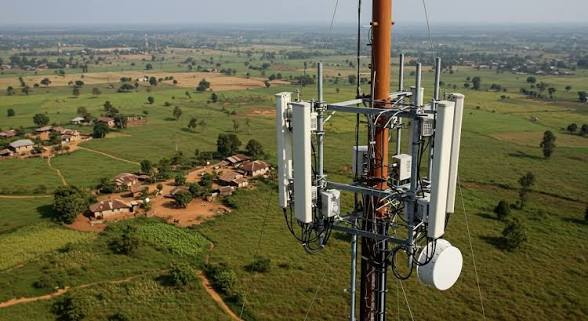
Nigeria’s telecommunications sector is facing a growing security crisis that is threatening connectivity, economic stability, and digital progress. Reports indicating that hundreds of critical infrastructure components, including generators and batteries, were stolen within a single year highlight a deeper and more systemic problem that has been building over time.
This issue is not just about theft. It reflects a complex web of economic pressures, weak enforcement, rising demand for alternative energy equipment, and the increasing dependence of Nigeria’s economy on telecommunications infrastructure.
This article provides a comprehensive and well detailed analysis of the telecom theft surge, its causes, its impact on Nigerians, and the urgent solutions required to protect the country’s digital backbone.
Understanding the Scale of Telecom Theft in Nigeria
The theft of telecom equipment is no longer a minor operational issue. It has evolved into a nationwide crisis affecting both urban and rural connectivity.
Get TikTok SEO Cheat here
Industry reports show that telecom operators are dealing with persistent vandalism, including the theft of diesel, generators, inverter batteries, and fibre infrastructure.
Across Nigeria, these incidents occur frequently and at scale. Data from regulators and industry bodies reveal patterns such as:
• Frequent attacks on telecom base stations across multiple states
• Organized theft targeting high value equipment like power systems
• Weekly incidents involving fibre cuts, site access denial, and equipment theft
• Increasing spread of attacks beyond isolated regions into nationwide occurrences
In fact, the sector records dozens of theft related incidents regularly, alongside hundreds of fibre cuts and access disruptions.
The reported theft of hundreds of generators and batteries in one year is therefore not an isolated statistic. It is part of a much larger pattern of infrastructure sabotage affecting the entire telecom ecosystem.
Why Generators and Batteries Are Prime Targets
Telecom sites in Nigeria rely heavily on alternative power sources due to unreliable electricity supply. This makes generators and batteries some of the most valuable assets at these locations.
Several factors explain why these items are frequently targeted:
• High resale value in secondary markets
• Strong demand for backup power in homes and businesses
• Ease of dismantling and transporting equipment
• Weak security presence at remote telecom sites
Stolen batteries are often repurposed for home inverters, while generators are resold or used commercially.
This growing black market has made telecom infrastructure a lucrative target for criminal networks.
The Link Between Telecom Theft and Network Failures
Every stolen generator or battery has a direct consequence on service delivery. Telecom base stations depend on consistent power to function. Once power systems are removed or damaged, entire communities can lose access to network services.
The effects include:
• Dropped calls and slow internet speeds
• Complete network blackouts in affected areas
• Disruption of banking services and digital payments
• Interruption of emergency communication systems
These disruptions are not theoretical. They are experienced daily by millions of Nigerians. Network failures caused by vandalism have already impacted businesses, healthcare access, and financial transactions across the country.
Read More On: Zenith Bank Completes Acquisition of Kenya’s Paramount Bank: A New Era of Pan African Expansion
Economic Impact on Nigeria’s Digital Economy
Nigeria’s telecom sector contributes significantly to the national economy, supporting banking, commerce, education, and governance.
When infrastructure is vandalized or stolen, the financial consequences are severe:
• Billions of naira lost in repair costs and downtime
• Reduced revenue for telecom operators
• Increased operational expenses due to repeated replacements
• Lower return on investment for network expansion projects
The telecom industry contributes a substantial share to Nigeria’s Gross Domestic Product, making these losses even more concerning.
For small businesses and individuals, the cost is even more personal:
• Failed digital transactions
• Loss of income for online vendors
• Increased cost of doing business
• Reduced trust in digital systems
How Organized Vandalism Networks Operate
Telecom theft is no longer random. It is increasingly organized and coordinated.
Industry insights suggest that these operations often involve:
• Local informants who identify vulnerable sites
• Skilled technicians who dismantle equipment quickly
• Transport networks that move stolen goods across regions
• Dealers who sell equipment in informal markets
There is also growing concern about scrap metal traders and informal buyers who knowingly or unknowingly fuel the demand for stolen telecom components.
This organized structure makes it difficult to combat the problem through basic security measures alone.
Government and Regulatory Response
The Nigerian government has taken steps to address the crisis by designating telecom infrastructure as critical national assets. This classification is intended to provide stronger legal protection and enforcement.
Regulatory bodies such as the Nigerian Communications Commission have also introduced initiatives aimed at protecting infrastructure and improving reporting mechanisms.
Some of the measures include:
• Public awareness campaigns to discourage vandalism
• Reporting channels for suspicious activities
• Collaboration with security agencies
• Policy frameworks to protect telecom investments
Despite these efforts, enforcement remains a major challenge. Many operators argue that stronger penalties and more coordinated action are required.
Challenges Hindering Effective Protection
Several structural issues continue to limit the effectiveness of current interventions:
• Weak law enforcement in remote areas
• Delays in responding to vandalism incidents
• Lack of community involvement in protecting infrastructure
• Poor coordination between agencies
• Economic hardship driving participation in theft
These challenges highlight the need for a more comprehensive and multi layered approach.
Read More On: Trump’s 50% Tariff Shock: A Deep Dive into the New Trade Threat Against Countries Arming Iran
The Role of Communities in Protecting Telecom Infrastructure
One of the most important solutions lies in community participation. Telecom infrastructure is often located within local communities, making residents the first line of defense.
Effective community based strategies include:
• Educating residents about the importance of telecom infrastructure
• Encouraging local reporting of suspicious activities
• Creating community surveillance groups
• Partnering with local leaders to protect installations
Experts emphasize that when communities see telecom assets as shared resources rather than corporate property, protection improves significantly.
Solutions and the Way Forward
Addressing telecom theft requires a combination of technology, policy, and social intervention.
Key solutions include:
• Deployment of advanced surveillance systems at telecom sites
• Use of smart sensors to detect tampering in real time
• Stronger legal penalties for offenders
• Regulation of secondary markets for telecom equipment
• Improved collaboration between telecom operators and security agencies
Additionally, reducing reliance on diesel powered generators through renewable energy solutions may also reduce theft incentives over time.
Why This Crisis Matters More Than Ever
Nigeria is rapidly moving toward a digital economy where connectivity is essential for daily life. From mobile banking to remote work, telecom infrastructure underpins nearly every sector.
When this infrastructure is compromised:
• Economic growth slows down
• Digital inclusion is weakened
• National security risks increase
• Public trust in technology declines
Telecom infrastructure is no longer just a business asset. It is a national lifeline.
Conclusion
The surge in telecom theft, highlighted by the loss of hundreds of generators and batteries, is a warning signal for Nigeria’s digital future. It reveals vulnerabilities that must be urgently addressed to sustain growth and innovation.
Protecting telecom infrastructure requires a unified effort involving government agencies, private operators, communities, and individuals. Without decisive action, the country risks undermining the very foundation of its digital transformation.
The path forward lies in stronger enforcement, smarter technology, and a collective understanding that safeguarding telecom infrastructure is a shared responsibility.