


A New Era for African Payments
Africa’s financial ecosystem is undergoing a powerful transformation. For decades, sending money across African countries has been slow, expensive, and heavily dependent on foreign currencies. Today, that reality is changing rapidly. At the center of this shift is the integration of the LIT App by FirstBank with PAPSS, a move that is redefining how money moves across the continent.
This innovation is not just another digital banking upgrade. It represents a structural shift in Africa’s financial independence, enabling individuals, small businesses, and large enterprises to transact seamlessly across borders without unnecessary friction.
Understanding the LIT App: A Digital Banking Powerhouse
The LIT App is FirstBank’s modern mobile banking platform designed to deliver a full spectrum of financial services directly to users’ smartphones. It goes beyond basic transfers and balances, offering a rich ecosystem of features that cater to both personal and business needs.
Key features of the LIT App include:
Get TikTok SEO Cheat here
- Instant fund transfers across accounts
- Virtual card creation for secure online payments
- Bill payments and scheduled transactions
- Access to loans and financial services
- Customer support integration within the app
With the addition of PAPSS, the LIT App has evolved from a local banking tool into a continental financial gateway.
What is PAPSS and Why It Matters
The Pan African Payment and Settlement System is a groundbreaking financial infrastructure developed by Afreximbank in collaboration with the African Union. It was designed to address one of Africa’s biggest economic bottlenecks, which is inefficient cross border payments.
Traditionally, sending money from one African country to another often required converting local currencies into foreign currencies such as dollars or euros before conversion again into the recipient’s currency. This process increased costs, caused delays, and exposed transactions to exchange rate risks.
PAPSS eliminates this problem by enabling:
- Direct payments in local African currencies
- Real time transaction processing
- Reduced reliance on foreign exchange intermediaries
- Lower transaction costs
- Improved settlement efficiency
This system is a critical pillar supporting the African Continental Free Trade Area, which aims to boost intra African trade.
Read More On:
- CBN Cautions Banks on Risk Exposure Following Recapitalization
- World Bank: Nigeria’s Poverty Hits 63% Despite Cooling Inflation
- Naira Holds Steady at 1,862/£: Economic Implications for Nigeria
A Game Changer for Cross Border Payments
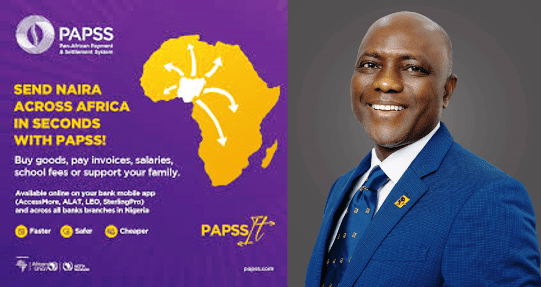
The integration of PAPSS into the LIT App marks a significant milestone in Africa’s fintech evolution. It allows users to send and receive money across African countries instantly, securely, and in their local currencies.
This means a user in Nigeria can send money to another African country without converting to dollars or any foreign currency. The transaction happens seamlessly within the African financial ecosystem.
Key benefits of this integration include:
- Instant cross border transfers without delays
- Elimination of complex currency conversion processes
- Lower transaction fees compared to traditional systems
- Increased accessibility for individuals and small businesses
- Enhanced trust in digital financial systems
This innovation is breaking down long standing barriers that have historically limited trade and financial inclusion across Africa.
Why This Matters for African Businesses and SMEs
Small and medium enterprises form the backbone of Africa’s economy. However, many of these businesses have struggled with cross border payments due to high costs and inefficiencies.
With the LIT App powered by PAPSS, SMEs can now:
- Pay suppliers in other African countries easily
- Receive payments from international customers within Africa
- Avoid losses from currency fluctuations
- Expand their market reach beyond national borders
This creates a more connected African marketplace where businesses can scale faster and operate more efficiently.
The Rise of Financial Independence in Africa
One of the most profound impacts of PAPSS integration is the shift toward financial sovereignty. Africa has long depended on foreign payment systems for cross border transactions. This dependency has not only increased costs but also exposed economies to external risks.
By enabling transactions in local currencies, PAPSS supports:
- Stronger local currencies
- Reduced dependence on global financial systems
- Increased resilience against global economic shocks
- Enhanced economic integration across African nations
This marks a significant step toward a self sufficient financial ecosystem.
Read More On:
- Investors Wary as Nigeria’s Unpaid Contractor Bills Signal Growing Fiscal Instability.
- FG Extends ₦12B Project BRIDGE Research Deadline to April 27
- Nigeria’s Property Sector Braces for Shake-up Amid Rising Costs and Rates
How the Technology Works Behind the Scenes
The PAPSS system operates as a real time payment infrastructure that connects central banks, commercial banks, and financial institutions across Africa.
Here is a simplified breakdown of how it works:
- A user initiates a payment through the LIT App
- The request is routed through the local bank to the central bank
- PAPSS processes and validates the transaction
- The receiving country’s central bank credits the beneficiary bank
- The recipient receives funds instantly in their local currency
This streamlined process ensures speed, security, and transparency in every transaction.
Impact on the African Continental Free Trade Vision
The African Continental Free Trade Area aims to create a single market for goods and services across Africa. However, trade cannot thrive without efficient payment systems.
The integration of PAPSS into widely used platforms like the LIT App supports this vision by:
- Enabling seamless trade transactions across borders
- Reducing payment delays that hinder commerce
- Encouraging businesses to explore new markets
- Strengthening economic ties between African countries
In essence, it transforms Africa into a more unified economic bloc.
Challenges and the Road Ahead
While the progress is impressive, there are still challenges that need to be addressed for full adoption.
These include:
- Limited digital infrastructure in rural areas
- Varying regulatory frameworks across countries
- Currency volatility in some regions
- Need for widespread awareness and user education
Despite these challenges, the trajectory remains positive. As more banks and fintech platforms integrate PAPSS, adoption is expected to grow rapidly.
The Bigger Picture: Africa’s Digital Payment Revolution
The partnership between FirstBank and PAPSS is not an isolated development. It is part of a broader trend where African institutions are building solutions tailored to the continent’s unique needs.
This shift signals:
- Increased innovation within African fintech
- Growing confidence in homegrown solutions
- Expansion of digital financial inclusion
- Acceleration of cross border trade
Africa is no longer just adapting global financial systems. It is creating its own.
A Borderless Financial Future
The integration of PAPSS into the LIT App represents a defining moment in Africa’s financial evolution. It is a bold step toward a future where borders no longer limit economic activity and where money moves as freely as ideas and opportunities.
For individuals, it means convenience and affordability. For businesses, it means growth and expansion. For Africa, it means unity and progress.
The payment revolution is already underway, and platforms like the LIT App are leading the charge toward a truly connected continent.
Read More On:
- Lafarge Africa Plc Proposes Name Change to HBM Nigeria Ahead of Key AGM Decision
- Citi Nigeria Chief Emeka Emuwa Receives Prestigious Citi Distinguished Alumni Award
- Ghana Moves to Cut Fuel Taxes and Levies to Tackle Rising Pump Prices
- Transcorp Declares ₦16.2 Billion Final Dividend for Shareholders, Announces Payment Timeline