

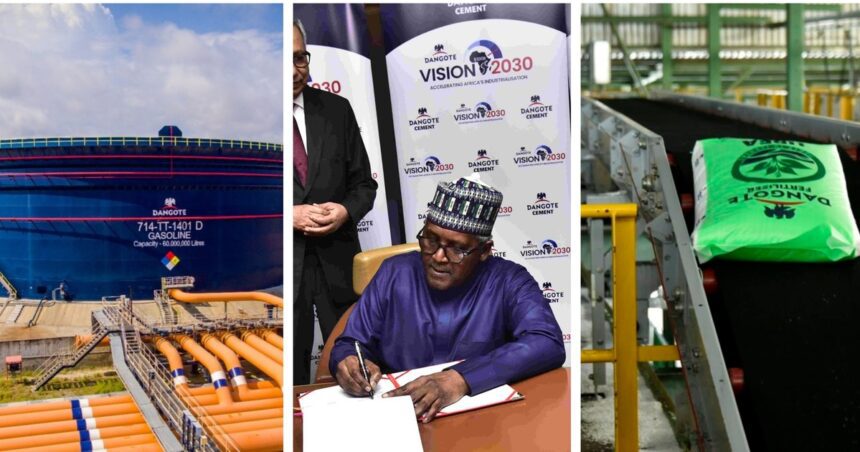
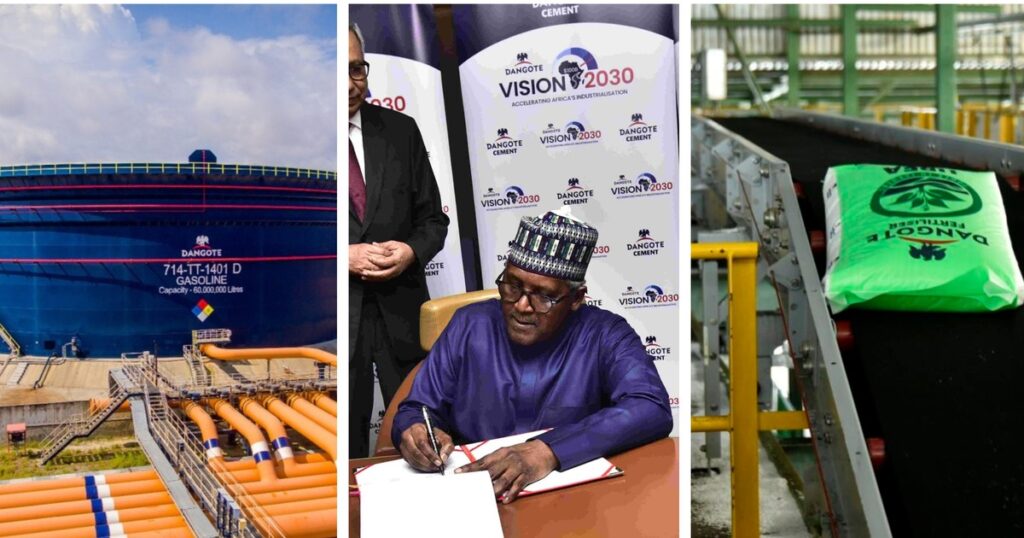
The African industrial landscape is entering a new phase of transformation as Dangote Group unveils an ambitious plan to secure up to forty billion dollars in fresh investment. This bold strategy is designed to significantly expand fertilizer production and oil refining capacity, positioning Nigeria as a dominant force in both energy and agricultural supply chains across Africa.
At the center of this vision is Aliko Dangote, whose long term strategy continues to reshape not just Nigeria’s economy but the broader African industrial ecosystem.
This development is more than just another corporate expansion. It represents a turning point in Africa’s quest for self reliance in critical sectors such as fuel production and food security.
Understanding the $40 Billion Expansion Plan
The scale of this investment plan is enormous. According to recent disclosures, the Dangote Group intends to deploy at least forty billion dollars over the next five years to fund a wide range of industrial projects.
Get TikTok SEO Cheat here
The core objectives of this expansion include:
• A massive increase in fertilizer production capacity, particularly urea
• A significant boost in oil refining output
• Expansion of petrochemical operations
• Strengthening supply chains across Africa
This initiative is part of a broader long term roadmap often referred to as Vision 2030, which aims to transform the group into a one hundred billion dollar annual revenue enterprise.
Why This Investment Matters Now
The timing of this expansion is not coincidental. Global supply chains for fuel and fertilizer have been under intense pressure due to geopolitical tensions and disruptions in key regions.
Africa, which still depends heavily on imports for refined petroleum products and fertilizers, has been particularly vulnerable.
Dangote’s strategy is designed to address these vulnerabilities by:
• Reducing reliance on imported fuel
• Increasing local fertilizer production for agriculture
• Stabilizing supply across African markets
• Supporting economic resilience in the face of global shocks
By scaling up production locally, the company is positioning Nigeria as a central hub for both energy and agricultural inputs.
The Fertilizer Expansion: Feeding a Continent
One of the most critical components of this plan is the expansion of fertilizer production.
The Dangote Group already operates one of the largest fertilizer plants in the world. However, the new investment aims to push production even further by:
• Quadrupling urea fertilizer output
• Expanding export capacity to global markets
• Supporting African farmers with more accessible inputs
This move is expected to have a direct impact on food security across the continent. Africa has long struggled with limited access to affordable fertilizers, which has affected agricultural productivity.
By increasing supply, Dangote aims to:
• Boost crop yields across multiple regions
• Reduce the cost of farming inputs
• Strengthen agricultural value chains
• Support rural economies
This positions Nigeria as a potential global leader in fertilizer exports.
Read More On: Trump’s 50% Tariff Shock: A Deep Dive into the New Trade Threat Against Countries Arming Iran
Oil Refining Expansion: Powering Energy Independence
Another major pillar of the investment plan is the expansion of oil refining capacity, particularly at the Dangote Refinery.
Currently recognized as the largest single train refinery in the world, the facility already plays a key role in reducing Nigeria’s dependence on imported fuel.
The expansion strategy includes:
• More than doubling refining capacity
• Increasing daily crude processing levels
• Expanding petrochemical output
• Enhancing export capabilities
There are also projections that capacity could eventually reach up to 1.4 million barrels per day, making it one of the largest refining complexes globally.
This has several implications:
• Reduced fuel import bills for Nigeria
• Improved availability of petroleum products
• Increased foreign exchange earnings from exports
• Strengthened energy security
The Role of Strategic Partnerships
To achieve this massive expansion, the Dangote Group is working closely with key financial and development institutions such as African Export-Import Bank.
These partnerships are crucial for:
• Providing long term financing support
• Reducing investment risks
• Facilitating cross border transactions
• Strengthening regional trade integration
The backing of such institutions signals strong confidence in the viability and impact of Dangote’s industrial strategy.
Economic Impact on Nigeria and Africa
The ripple effects of this forty billion dollar investment are expected to be far reaching.
For Nigeria, the benefits include:
• Job creation across industrial sectors
• Increased foreign direct investment
• Improved infrastructure development
• Growth in export revenues
For Africa as a whole:
• Reduced dependence on imports from Europe and Asia
• Strengthened intra African trade
• Greater industrial self sufficiency
• Enhanced resilience against global supply disruptions
This aligns closely with the goals of the African Continental Free Trade Area, which seeks to boost economic integration across the continent.
Read More On: Zenith Bank Completes Acquisition of Kenya’s Paramount Bank: A New Era of Pan African Expansion
Challenges and Risks to Watch
Despite the optimism, there are several challenges that could impact the success of this expansion.
Key risks include:
• High capital requirements and financing pressures
• Global oil price volatility
• Currency fluctuations affecting project costs
• Regulatory and policy uncertainties
• Infrastructure bottlenecks
Managing these risks will be critical to ensuring that the investment delivers its intended outcomes.
The Bigger Picture: A Shift in Global Industrial Power
Dangote’s forty billion dollar expansion is more than just a corporate growth strategy. It reflects a broader shift in global industrial dynamics.
For decades, Africa has been largely dependent on imports for critical resources such as fuel and fertilizers. This model is now being challenged by large scale indigenous investments.
Dangote’s approach demonstrates that:
• African companies can compete on a global scale
• Local production can replace imports
• Industrialization is key to economic independence
This could inspire similar investments across the continent.
Conclusion
The Dangote Group’s plan to invest forty billion dollars in fertilizer and oil production marks one of the most ambitious industrial moves in Africa’s history.
By focusing on critical sectors that directly impact energy and food security, the company is not only expanding its business but also redefining the economic future of Nigeria and the continent.
If successfully executed, this strategy could transform Africa from an import dependent region into a major global supplier of energy and agricultural inputs.
The coming years will determine whether this bold vision becomes a lasting legacy or a high stakes gamble. Either way, it has already reshaped the conversation about Africa’s industrial potential.