

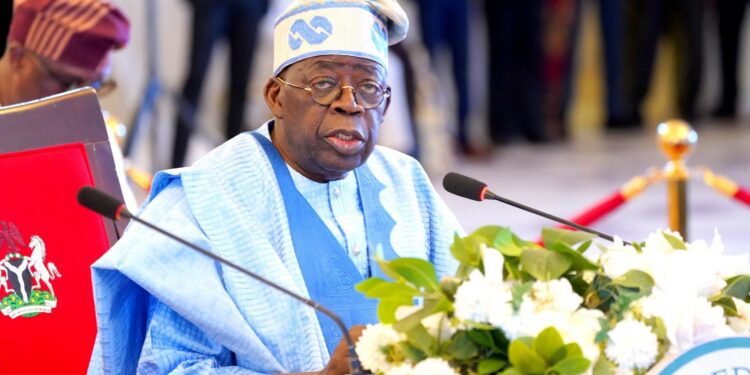
Nigeria’s financial landscape is currently experiencing a major shift as the Federal Government significantly increases its borrowing plan for the 2026 fiscal year. The revised figure now stands at ₦29.20 trillion, a sharp rise from the earlier projection of ₦17.89 trillion.
This adjustment reflects mounting pressure on government finances as it attempts to fund an ambitious national budget while grappling with limited revenue generation. The increase of over ₦11 trillion has sparked widespread debate among economists, policy analysts, and financial experts.
At its core, this development highlights a growing imbalance between government spending and income.
A Widening Fiscal Gap in Nigeria’s 2026 Budget
The total budget size for 2026 is projected at ₦68.32 trillion, while expected revenue is estimated at ₦36.87 trillion. This creates a deficit of about ₦31.46 trillion that must be financed primarily through borrowing.
Get TikTok SEO Cheat here
Just months earlier, the deficit was projected at ₦20.12 trillion. The rapid increase underscores how quickly fiscal conditions are evolving and the challenges facing revenue generation efforts.
Key realities shaping the deficit include
• Government expenditure continues to rise rapidly
• Revenue growth remains relatively slow
• Borrowing has become the primary solution to close the gap
Breakdown of Nigeria’s 2026 Spending Structure
A detailed look at the budget shows that spending is concentrated in three major areas.
Debt Servicing
Debt servicing takes up a significant portion of the budget, totaling ₦15.81 trillion.
This includes
• ₦10.16 trillion for domestic debt
• ₦5.36 trillion for foreign debt
This means a large share of government income is used to repay existing loans rather than fund new development.
Read More On:
- Create a Dreamy Spring Table with Butter Yellow and Fresh Moss.
- From Search to Sale: How Google’s AI Mode Is Reshaping Digital Commerce.
- How to Control Aphids Naturally Without Harming Your Garden
- Oil Surges Past $111 as Global Markets React
Capital Expenditure
Capital expenditure is projected at ₦32.29 trillion and focuses on infrastructure development.
Key areas include
• Road construction and rehabilitation
• Rail network expansion
• Port upgrades
• Power sector investments
These projects are intended to boost productivity and stimulate long-term economic growth.
Recurrent Expenditure
Recurrent non-debt spending stands at ₦15.43 trillion.
This covers
• Salaries of government workers
• Administrative expenses
• Operational costs of ministries and agencies
Nigeria’s Borrowing Strategy Explained
To finance the ₦29.20 trillion borrowing plan, the government is relying heavily on domestic sources.
About eighty percent of the funds will come from within Nigeria through
• Commercial banks
• Pension funds
• Institutional investors
The remaining twenty percent will be sourced externally through institutions such as the World Bank and the African Development Bank, along with international debt markets.
This strategy aims to reduce exposure to foreign exchange risks that have affected previous budgets.
The Crowding Out Effect and Private Sector Concerns
Economists have raised concerns about the potential impact of heavy domestic borrowing on the private sector.
When the government becomes the largest borrower in the financial system
• Banks may prefer lending to the government due to lower risk
• Businesses may find it harder to access credit
• Small and medium enterprises could struggle to expand
• Overall economic growth may slow
This phenomenon is commonly referred to as the crowding out effect.
Revenue Growth Efforts and Positive Signals
Despite the increased borrowing, the government is implementing strategies to boost revenue.
Oil Revenue Adjustments
The oil price benchmark has been raised, which is expected to generate additional income from crude exports.
Telecom Sector Contributions
The telecommunications sector is also expected to contribute significantly to tax revenue.
Major players such as MTN Nigeria and Airtel Nigeria are projected to generate substantial company income tax.
This reflects the growing importance of the digital economy in Nigeria’s revenue mix.
Read More On:
- Lagos Island Set to Shut Down for Fanti Carnival 2026.
- AI Max Goes Global: The End of Traditional Keyword Targeting
- Wake Up Fresh Every Day with Biometric Alarms: The Smart Way to Beat Morning Grogginess
- ECOWAS Investment Drive Puts Nigeria Infrastructure Projects at the Center of $266.7M Plan
Key Risks Facing Nigeria’s Economy
The scale of borrowing has introduced several economic risks that cannot be ignored.
High Debt Servicing Burden
With ₦15.81 trillion allocated to debt servicing, a large portion of government revenue is already committed. This limits flexibility in responding to economic challenges.
Inflationary Pressure
Increased government spending funded by borrowing can lead to higher money supply.
If supply does not keep up with demand
• Prices may rise
• Cost of living may increase
• Consumers may face reduced purchasing power
Debt Sustainability Concerns
There are growing concerns about whether this level of borrowing can be sustained over time.
• Economic size alone does not repay debt
• Revenue generation remains critical
• Weak non-oil revenue could worsen debt challenges
Final Analysis: A High Stakes Economic Gamble
Nigeria’s revised borrowing plan represents a bold and high-risk strategy aimed at driving economic growth through infrastructure investment.
The government is betting that increased spending today will create a more productive economy capable of generating enough revenue to manage its debt in the future.
If successful, this approach could strengthen economic growth and improve living standards. However, if revenue fails to keep pace with rising debt obligations, the country may face increased financial pressure in the coming years.
Ultimately, the success of this strategy will depend on one critical factor
Whether current investments can generate sustainable economic returns that outweigh the cost of borrowing
Read More On:
- Turning Everyday Plastic into Timeless Stone Inspired Decor.
- Wema Bank Reports ₦222.1 Billion Profit Before Tax in 2025 Results.
- Create a Recovery Zone That Helps You Relax and Recharge.
- Nigeria’s Blue Economy Generates ₦1.83 Trillion as Maritime Revenue Surges
- The Endurance King: Vivo V70 FE Delivers Unmatched Battery Life