

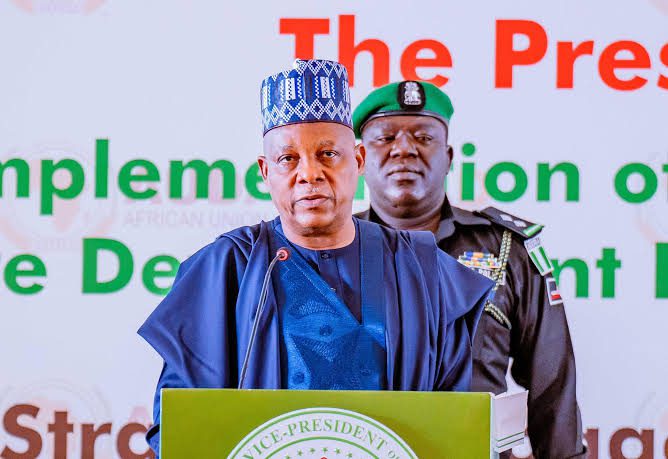
The Federal Government has taken a major step toward transforming Nigeria’s trade ecosystem with the inauguration of a new governing board for the Nigeria Commodity Exchange. This strategic move is designed to unlock the full potential of commodity trading in the country, improve transparency, and accelerate the growth of non oil exports.
At a time when Nigeria is actively seeking alternatives to oil dependency, the revitalisation of the commodity exchange signals a deliberate shift toward building a more structured, efficient, and globally competitive marketplace for agricultural and extractive products.
Understanding the Nigerian Commodity Exchange and Its Role
The Nigeria Commodity Exchange is one of the country’s key financial and trade institutions. Established to provide a structured platform for buying and selling commodities, the exchange focuses on products such as maize, sorghum, and other agricultural outputs.
Its core purpose is to ensure that producers, traders, and investors operate within a transparent system where prices are determined fairly through supply and demand. This helps eliminate inefficiencies that often plague informal markets.
Get TikTok SEO Cheat here
With the inauguration of a new board, the Federal Government aims to reposition the exchange as a central driver of economic diversification, food security, and trade expansion.
The Newly Inaugurated Board and Leadership Structure
The newly inaugurated board is led by Dalhatu Abubakar as Chairman, alongside a team of experienced professionals appointed to provide strategic direction.
Other key members include:
- Najah Muhammed
- Bamidele Hussein
- Mezuo Nwuneli
- Obi Igwe
- Foluso Ayo Olaiya
In addition, Anthony Atuche has been appointed as the Managing Director of the exchange.
According to the presidency, this reconstitution is part of a broader effort to strengthen governance, improve accountability, and attract both local and foreign investment into Nigeria’s commodity value chain.
The board is expected to provide the leadership needed to fully operationalise the exchange and ensure it delivers measurable economic impact.
Why This Move Matters for Nigeria’s Economy
The inauguration of the new board is not just a routine administrative update. It represents a strategic intervention aimed at solving some of Nigeria’s most pressing economic challenges.
Key objectives of the initiative include:
- Strengthening the commodity trading ecosystem
- Improving price discovery mechanisms
- Enhancing transparency in agricultural markets
- Boosting non oil exports
- Attracting investment into logistics, warehousing, and trade infrastructure
By addressing these areas, the government hopes to create a more stable and efficient marketplace that benefits farmers, traders, exporters, and investors alike.
Read More On: Zenith Bank Completes Acquisition of Kenya’s Paramount Bank: A New Era of Pan African Expansion
Boosting Non Oil Exports Through Structured Markets
One of the most important goals behind the reform is export diversification. For decades, Nigeria has relied heavily on crude oil as its primary source of revenue. However, global market volatility has made it clear that this model is no longer sustainable.
A fully functional commodity exchange can help change this narrative by:
- Standardising agricultural products for export
- Improving traceability and quality control
- Connecting Nigerian producers to international buyers
- Reducing post harvest losses through better storage systems
With these improvements, Nigeria can significantly increase its share in global agricultural trade and earn more foreign exchange from non oil sources.
Enhancing Food Security and Price Stability
Food security remains a critical concern in Nigeria, especially with rising inflation and supply chain disruptions. The revamped commodity exchange is expected to play a key role in stabilising food prices.
Here is how:
- Providing real time market data for better decision making
- Reducing price manipulation in informal markets
- Encouraging large scale storage and distribution systems
- Supporting farmers with better access to markets
A more organised system ensures that farmers receive fair value for their produce while consumers benefit from more stable pricing.
Attracting Investment into Trade Infrastructure
Another major focus of the new board is attracting investment into essential infrastructure. This includes:
- Modern warehousing facilities
- Efficient transportation networks
- Digital trading platforms
- Commodity grading and certification systems
These investments are critical for building a robust supply chain that can support both domestic consumption and international exports.
The government believes that with the right infrastructure in place, Nigeria can become a major hub for commodity trading in Africa.
Improving Transparency and Market Confidence
One of the longstanding challenges in Nigeria’s commodity market has been the lack of transparency. Informal trading systems often lead to inconsistent pricing, exploitation of farmers, and limited investor confidence.
The strengthened exchange aims to solve this by:
- Introducing standardized pricing mechanisms
- Ensuring open and competitive trading processes
- Providing accurate and timely market information
- Enforcing regulatory compliance
These measures are expected to build trust among stakeholders and encourage greater participation in the formal market.
Read More On: Trump’s 50% Tariff Shock: A Deep Dive into the New Trade Threat Against Countries Arming Iran
The Broader Economic Impact
The inauguration of the new board aligns with the Federal Government’s broader economic agenda, which prioritises:
- Economic diversification
- Private sector participation
- Increased export earnings
- Sustainable development
By revitalising the commodity exchange, Nigeria is laying the foundation for a more resilient economy that is less dependent on oil and better positioned for global trade.
Challenges Ahead
While the initiative is promising, several challenges must be addressed to ensure its success:
- Infrastructure gaps across rural areas
- Limited access to financing for small scale farmers
- Regulatory bottlenecks
- Need for widespread stakeholder education
Overcoming these challenges will require collaboration between government agencies, private sector players, and international partners.
The Road Ahead
The inauguration of the new board marks the beginning of a new chapter for the Nigeria Commodity Exchange. With strong leadership and clear strategic direction, the exchange has the potential to transform Nigeria’s agricultural and trade landscape.
If successfully implemented, this initiative could:
- Increase farmers’ incomes
- Stabilise food prices
- Boost export revenues
- Strengthen Nigeria’s position in global commodity markets
Ultimately, it represents a bold step toward building a more inclusive and sustainable economic future.