

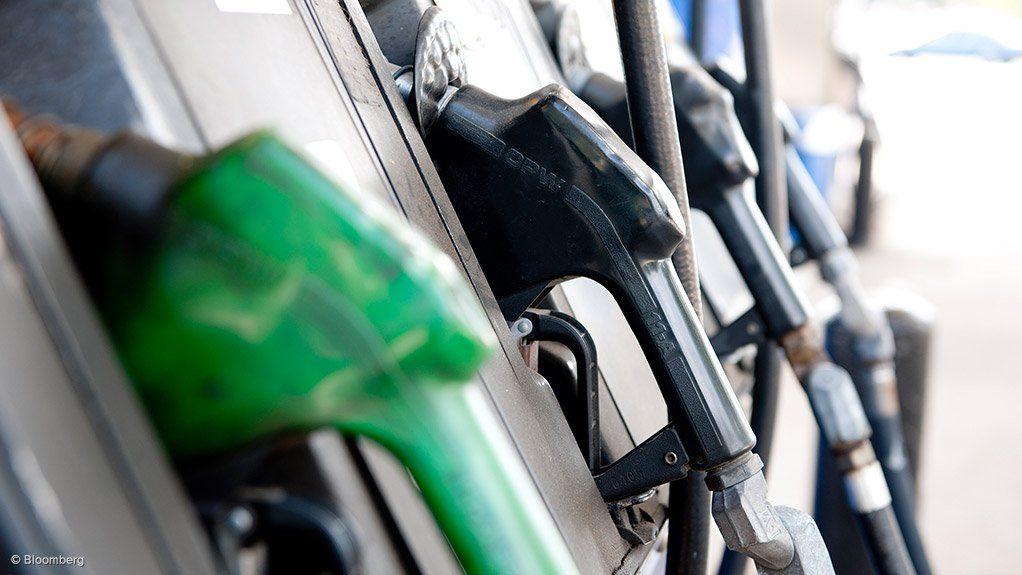
Ghana has taken a decisive step to ease the growing burden of high fuel costs by announcing plans to reduce taxes and levies on petroleum products. This policy shift comes at a time when global oil prices are rising sharply, putting pressure on households, transport systems, and businesses across the country. The move reflects a broader strategy by the government to cushion citizens from economic shocks while stabilizing inflation and maintaining economic confidence.
The decision signals a strong intervention by policymakers who recognize the ripple effects of fuel price increases on nearly every sector of the economy. From transportation to food supply chains, the cost of fuel plays a central role in determining the cost of living, making this policy both economically and socially significant.
Understanding the Policy Shift and Government Intervention
The Ghanaian government has ordered a reduction in fuel related taxes and levies as part of a targeted response to rising pump prices. According to official statements, this measure is designed to directly lower the ex pump cost of petrol and diesel, thereby easing financial pressure on citizens.
Authorities have confirmed that the reduction will affect various charges embedded within the fuel pricing structure. These include taxes applied along the supply chain, as well as margins charged by distributors and retailers.
Get TikTok SEO Cheat here
Key highlights of the intervention include:
• Temporary removal or suspension of selected fuel taxes and levies
• Reduction of additional charges within the petroleum distribution chain
• Implementation in the next pricing cycle to ensure immediate impact
• Ongoing consultations with industry stakeholders before final adjustments
The government has also indicated that the policy will initially run for a limited period, after which it will be reviewed based on market conditions and global oil trends.
Why Fuel Prices Are Rising in Ghana
To understand the importance of this decision, it is essential to examine the underlying causes of the recent surge in fuel prices.
Ghana is heavily dependent on imported refined petroleum products, with estimates suggesting that a large portion of its fuel supply comes from international markets. This reliance makes the country highly vulnerable to global price fluctuations.
Several major factors have contributed to the recent increase:
• Global geopolitical tensions disrupting oil supply chains
• Increased shipping and logistics costs due to instability in key oil routes
• Rising crude oil prices on the international market
• Currency pressures affecting import costs
Recent data shows that petrol prices increased by about fifteen percent, while diesel rose by nearly nineteen percent within a short period. These sharp increases have had a direct impact on transportation costs and general inflation.
The Link Between Fuel Prices and Cost of Living
Fuel prices are not just an isolated economic variable. They influence a wide range of everyday expenses, making their impact deeply felt by ordinary citizens.
When fuel prices rise:
• Transport fares increase almost immediately
• Food prices go up due to higher logistics costs
• Businesses face higher operational expenses
• Inflationary pressure builds across the economy
Recognizing this chain reaction, the Ghanaian government has positioned the tax reduction as a critical tool to stabilize the broader economy and protect consumers.
Short Term Relief Strategy and Timeline
The current plan is structured as a short term relief measure rather than a permanent policy change. Officials have indicated that the tax cuts will initially last for a few weeks before being reassessed.
This approach allows the government to:
• Monitor the effectiveness of the intervention
• Evaluate changes in global oil prices
• Adjust policies based on economic feedback
• Maintain fiscal discipline while providing relief
Such a flexible strategy ensures that the government can respond dynamically to evolving economic conditions.
Read More On:
- Nigerian Army Confirms Terrorist Attack on Operation Hadin Kai Base in
- Borno Dangote Group Targets $40 Billion Investment to Boost Fertilizer and Oil Output
Additional Measures to Support Citizens
Beyond reducing fuel taxes, the government is exploring complementary measures aimed at easing the burden on the population.
These include:
• Expanding public transport options to offer cheaper alternatives
• Reviewing fuel related allowances within government spending
• Strengthening coordination with transport operators to stabilize fares
• Enhancing oversight of fuel pricing mechanisms
These combined efforts are designed to amplify the impact of the tax cuts and ensure that the benefits are felt across all sectors.
Economic Implications of the Policy Decision
While the reduction of fuel taxes provides immediate relief, it also raises important questions about long term economic sustainability.
Fuel taxes and levies are a significant source of government revenue. Reducing them could impact public finances, especially in areas such as infrastructure development and energy sector investments.
However, the government appears to be balancing this trade off by prioritizing economic stability and consumer welfare.
Potential economic outcomes include:
• Short term reduction in government revenue
• Lower inflation due to reduced transport and production costs
• Increased consumer spending as households save on fuel expenses
• Improved business conditions due to lower operating costs
In many ways, this policy reflects a broader economic philosophy that prioritizes immediate relief and long term growth over strict revenue maximization.
Public and Political Reactions
The decision has generated a mix of support and scrutiny across political and economic circles.
Some stakeholders have welcomed the move as timely and necessary, emphasizing its importance in protecting citizens from rising living costs.
However, others have raised concerns about:
• Transparency in the management of existing fuel levies
• Long term fiscal implications of reduced tax revenue
• The need for clear communication on which levies are being removed
This debate highlights the complexity of balancing economic relief with fiscal responsibility.
Read More On:
- FG Launches New Commodity Exchange Board to Tackle Food Security.
- Telecom Sabotage Peaks: 656 Generators and Batteries Stolen Across Nigeria.
Regional and Global Context
Ghana’s decision is part of a wider trend among countries responding to global energy market volatility. The current rise in fuel prices is largely driven by disruptions in international supply chains and geopolitical tensions affecting oil producing regions.
Countries that rely heavily on fuel imports, like Ghana, are particularly vulnerable.
By cutting taxes and levies, Ghana is adopting a strategy that many economies use during periods of external shocks, aiming to shield domestic markets from global price surges.
What This Means for the Future
The success of this policy will depend on several key factors:
• Stability of global oil prices in the coming months
• Effectiveness of implementation across the fuel supply chain
• Government’s ability to manage revenue shortfalls
• Response of transport operators and businesses
If managed effectively, the intervention could help stabilize the economy and build public confidence. However, if global prices continue to rise, further measures may be required.
Conclusion
Ghana’s decision to cut fuel taxes and levies represents a bold and strategic move to address rising pump prices and the broader cost of living crisis. By targeting the root of the problem through fiscal intervention, the government is taking proactive steps to protect its citizens and maintain economic stability.
The coming weeks will be crucial in determining the effectiveness of this policy. As global uncertainties persist, Ghana’s approach may serve as a model for other economies facing similar challenges.