
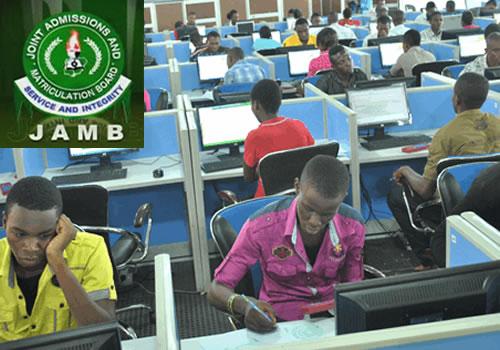
Nigeria’s education sector has once again come under the spotlight as the Joint Admissions and Matriculation Board takes decisive action to protect the integrity of its examination system. Following a comprehensive review of the recent mock Unified Tertiary Matriculation Examination, the board has officially delisted 23 Computer Based Test centres across the country due to technical failures and operational inefficiencies.
This development marks a significant step in JAMB’s ongoing effort to ensure that only fully compliant and technologically capable centres are entrusted with conducting one of the most important examinations in Nigeria.
Understanding the Reason Behind the Delisting
The decision to delist these centres did not happen arbitrarily. It came after a thorough post examination assessment of the mock UTME, which serves a dual purpose.
First, it helps candidates become familiar with the computer based testing environment. Second, and perhaps more importantly, it allows JAMB to evaluate the readiness and performance of accredited CBT centres.
Get TikTok SEO Cheat here
According to official statements, several centres failed to meet the required technical standards.
Key issues identified include:
- System malfunctions during examinations
- Poor network connectivity that disrupted exam flow
- Inadequate computer systems unable to handle candidate load
- Power supply instability
- Poor technical support during live examinations
These shortcomings directly affect candidates’ performance and overall exam credibility, prompting immediate action from the board.
Breakdown of the Affected Centres Across Nigeria
The 23 delisted centres are spread across multiple states and the Federal Capital Territory, reflecting a nationwide enforcement approach.
States affected include:
- Abia
- Anambra
- Bayelsa
- Delta
- Edo
- Federal Capital Territory
- Lagos
- Ogun
- Osun
- Oyo
- Plateau
Notable examples of affected centres include facilities in Lagos, Abuja, Ibadan, Awka, and Jos, among others.
This wide distribution shows that the issue is not isolated but part of a broader challenge within Nigeria’s digital examination infrastructure.
Centres Placed Under Watch and Additional Sanctions
Beyond the outright delisting of 23 centres, JAMB also issued warnings to dozens of other CBT centres that showed minor technical lapses.
These centres are not yet banned but are now under strict observation. If they fail to address the identified issues, they risk facing full delisting before the main UTME.
Additionally, one centre in Lagos has been permanently barred from participating in any future JAMB examinations due to severe non compliance.
This layered approach shows that JAMB is not only punishing failure but also encouraging improvement where possible.
Read More On:
- Investors Wary as Nigeria’s Unpaid Contractor Bills Signal Growing Fiscal Instability.
- FG Extends ₦12B Project BRIDGE Research Deadline to April 27
- Nigeria’s Property Sector Braces for Shake-up Amid Rising Costs and Rates
Why the Mock UTME Is So Important
Many candidates often underestimate the importance of the mock UTME, seeing it as optional or less significant. However, this exercise plays a critical role in the entire examination ecosystem.
The mock UTME serves as:
- A rehearsal platform for candidates to understand the CBT format
- A stress test for examination infrastructure
- A quality control mechanism for CBT centres
- A data gathering tool for improving the main UTME
By using the mock exam as a diagnostic tool, JAMB is able to identify weak links before the actual examination begins.
Implications for Candidates Preparing for UTME
For candidates, this development carries both reassurance and caution.
On the positive side, it ensures that the main UTME will be conducted in better equipped centres, reducing the likelihood of technical disruptions.
However, candidates who initially selected any of the delisted centres may experience changes.
Expected outcomes include:
- Reassignment to alternative CBT centres
- Updated examination details communicated by JAMB
- Possible adjustments in logistics and travel plans
Candidates are strongly advised to stay updated through official JAMB channels and regularly check their examination slips.

JAMB’s Commitment to Examination Integrity
The board has reiterated that maintaining the credibility of its examination process remains its top priority.
Over the years, JAMB has transitioned fully into computer based testing, a move designed to eliminate malpractice, improve efficiency, and standardize assessment.
However, this digital system depends heavily on the reliability of CBT centres.
By removing underperforming centres, JAMB is sending a clear message:
- Technical competence is non negotiable
- Candidate experience must be protected
- Examination integrity will not be compromised
Read More On:
- CBN Cautions Banks on Risk Exposure Following Recapitalization
- World Bank: Nigeria’s Poverty Hits 63% Despite Cooling Inflation
- Naira Holds Steady at 1,862/£: Economic Implications for Nigeria
The Bigger Picture: Challenges in Nigeria’s CBT System
Despite significant progress, the Nigerian CBT system still faces structural challenges.
Some of these include:
- Uneven access to high quality digital infrastructure
- Power supply instability in certain regions
- Inconsistent internet connectivity
- Limited technical expertise in some centres
With hundreds of CBT centres nationwide, maintaining uniform standards remains a complex task.
JAMB’s recent action highlights the need for continuous investment in technology and training.
Reactions from Stakeholders
The decision has sparked mixed reactions across the education sector.
Many stakeholders have praised JAMB for taking a firm stance, describing it as a necessary move to protect candidates.
Others have called for:
- Increased support for CBT centres to upgrade infrastructure
- Better pre accreditation checks before approval
- More transparency in the evaluation process
Overall, there is a growing consensus that stricter regulation is essential for long term improvement.
What to Expect Moving Forward
As the main UTME approaches, candidates and stakeholders can expect:
- Further monitoring of CBT centres
- Possible additional sanctions if issues persist
- Improved examination logistics
- Enhanced technical readiness across approved centres
JAMB is likely to continue refining its processes to ensure a smoother examination experience nationwide.
The delisting of 23 CBT centres is more than just a disciplinary action. It represents a broader commitment to quality, fairness, and reliability in Nigeria’s education system.
For candidates, it offers reassurance that their examination environment will be more stable. For CBT operators, it serves as a wake up call to meet the required standards or risk exclusion.
Read More On:
- Lafarge Africa Plc Proposes Name Change to HBM Nigeria Ahead of Key AGM Decision
- Citi Nigeria Chief Emeka Emuwa Receives Prestigious Citi Distinguished Alumni Award
- Ghana Moves to Cut Fuel Taxes and Levies to Tackle Rising Pump Prices
- Transcorp Declares ₦16.2 Billion Final Dividend for Shareholders, Announces Payment Timeline