


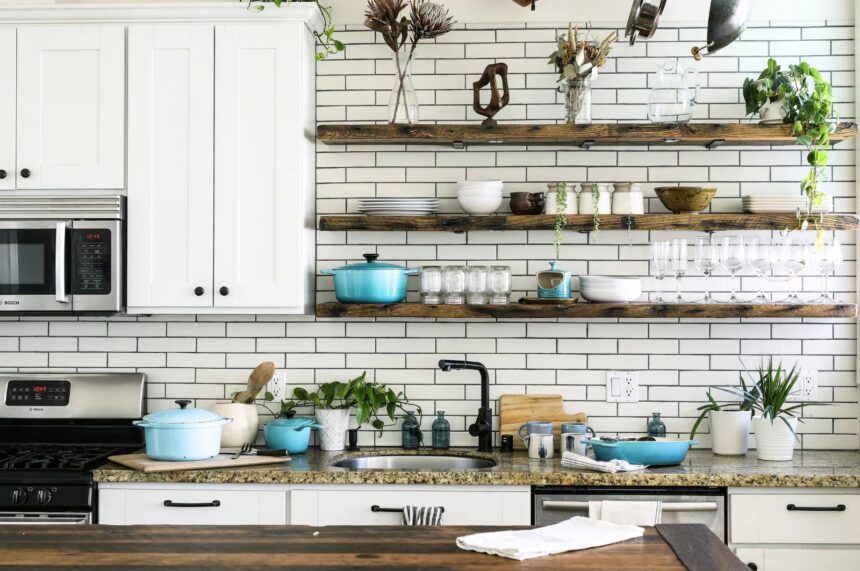
Transforming your kitchen into a zero-waste space is about more than just reducing waste, it’s about embracing traditional skills and creating a home that feels intentional and artisanal. By making your own storage and cleaning solutions, you cut out single-use plastics and harsh chemicals while making everyday tasks more mindful.
Here’s a practical guide to three essential pillars of a zero-waste kitchen.
1. Fabric Bread Bags
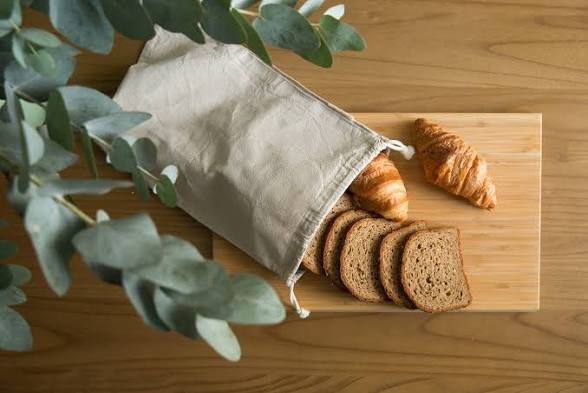
Plastic-wrapped bread often loses its crust and molds faster. A linen or cotton bag allows your bread to breathe, keeping the crust crisp and the inside soft.
Materials Needed:
Get TikTok SEO Cheat here
- 1 yard of 100% linen or heavy-weight cotton (Belgian linen works best)
- 1 yard of cotton twill tape or nylon webbing
- Sewing machine, matching thread, and pinking shears
Steps:
- Cut: For a round loaf (boule), cut fabric to 15″ wide by 34″ long. For a baguette, use 8″ wide by 32″ long.
- Sew the Body: Fold the fabric in half with right sides together. Sew along the two long sides and the bottom to form a U shape.
- Finish Edges: Use pinking shears or a zigzag stitch to prevent fraying.
- Create the Channel: Fold the top edge down by 1 inch and sew around it, leaving a small 1-inch opening.
- Thread the Tie: Attach a safety pin to the twill tape and feed it through the opening, then knot the ends together.
2. DIY Beeswax Wraps
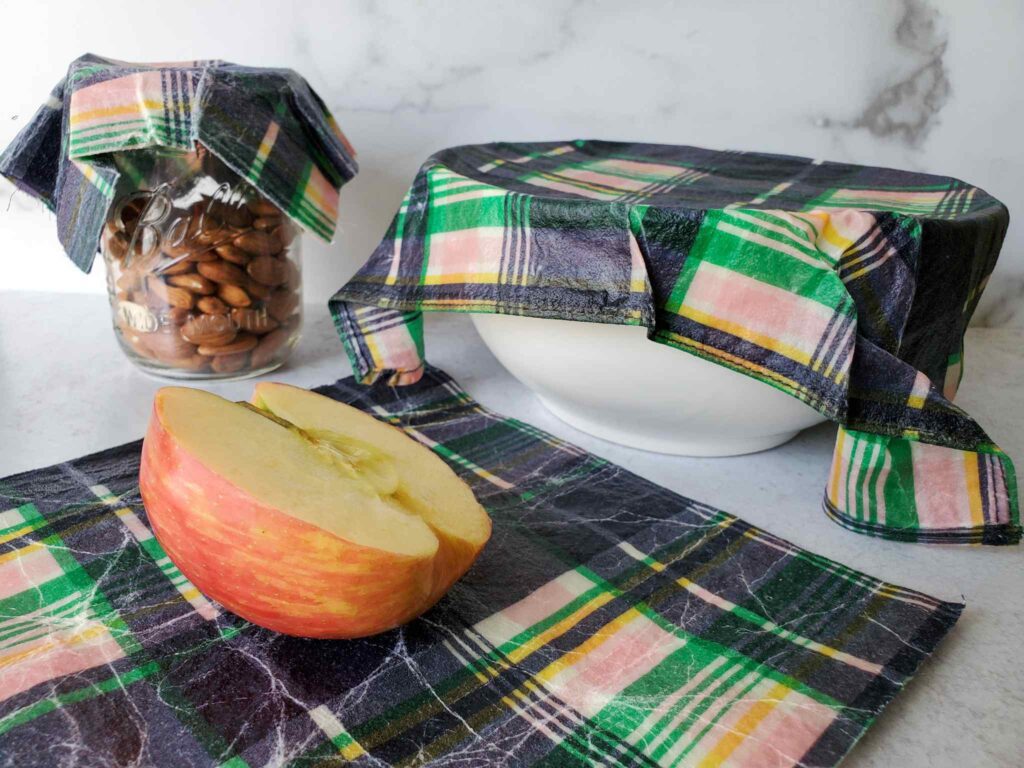
Beeswax wraps are a sustainable alternative to plastic wrap. They are breathable, naturally antibacterial, and can last up to a year with care.
Materials Needed:
- Thin cotton fabric scraps, washed and dried
- 2 parts beeswax pellets, 1 part powdered pine rosin, a few drops of jojoba oil
- Parchment paper, baking sheet, paintbrush
Steps:
- Preheat the oven to 225°F (107°C) and cut fabric into squares (8×8″, 11×11″, 14×14″).
- Lay parchment on a baking sheet, then place fabric on top.
- Sprinkle the beeswax mixture evenly over the fabric. Avoid adding too much wax to prevent mess.
- Bake for 5–10 minutes until the wax melts and saturates the fabric.
- Use a brush to spread wax to any dry spots, then carefully peel the wrap off the parchment. Wave it in the air for 30 seconds to set.
3. Natural Cleaning Solutions
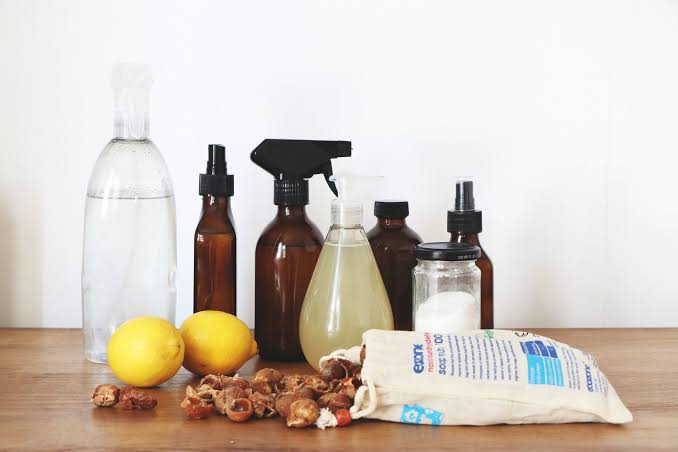
Many store-bought cleaners contain synthetic chemicals. These DIY options use natural ingredients to clean effectively.
Citrus All-Purpose Cleaner:
- Fill a jar halfway with citrus peels and cover with white vinegar.
- Let sit in a dark cupboard for two weeks.
- Strain into a spray bottle and dilute 1:1 with water. The limonene in citrus degreases while vinegar disinfects.
Heavy-Duty Scrub:
- Mix 1/2 cup baking soda with 10 drops of lemon essential oil and a small amount of water or liquid Castile soap to form a paste.
- Apply to sinks or stovetops, let sit for 10 minutes, and scrub with a natural fiber brush.
Glass and Mirror Polish:
- Combine 2 cups water, 1/2 cup vinegar, and 1 teaspoon cornstarch in a spray bottle.
- Shake well before use. The cornstarch gently removes streaks for a crystal-clear finish.
Zero-Waste Maintenance Tip
Wash your beeswax wraps and bread bags with cool water and mild, alcohol-free soap. Avoid hot water, which can melt the wax.
Read more on: “Admin Night” Productivity: How to Turn Boring Chores into High-Focus Power Sessions