


Nigeria’s financial system has just passed through one of its most defining moments in recent history. On March 31, 2026, the deadline for the recapitalization directive issued by the Central Bank of Nigeria officially came to an end.
Now, just a few days later, the focus has shifted. The intense period where banks were racing to raise funds is over. What lies ahead is a more demanding phase where institutions must prove they can use their newly raised capital effectively in a challenging and unpredictable economy.
This exercise stands as the most significant restructuring of Nigeria’s banking sector since the reforms led by Charles Soludo in 2004.
A Turning Point for Nigeria’s Banking Sector
For the past two years, banks across Nigeria have been engaged in a determined effort to meet new capital requirements set by the Central Bank.
Get TikTok SEO Cheat here
These requirements include:
- ₦500 billion minimum capital for international banks
- ₦200 billion minimum capital for national banks
- ₦50 billion minimum capital for regional and merchant banks
The result of this effort is remarkable.
Across 2025 alone, Nigerian banks and some major companies raised about ₦1.2 trillion. When combined with earlier efforts, the total capital mobilized reached about 3.4 billion dollars, which is roughly ₦4.7 trillion.
This level of fundraising reflects both the scale of the challenge and the confidence investors still have in the Nigerian economy.
Who Met the Deadline
As the deadline arrived, the structure of the banking industry began to change.
According to updates from the Central Bank, between 30 and 34 banks successfully met or exceeded the required capital levels.
Early Movers
Some of the largest institutions moved quickly and secured their positions early.
These include:
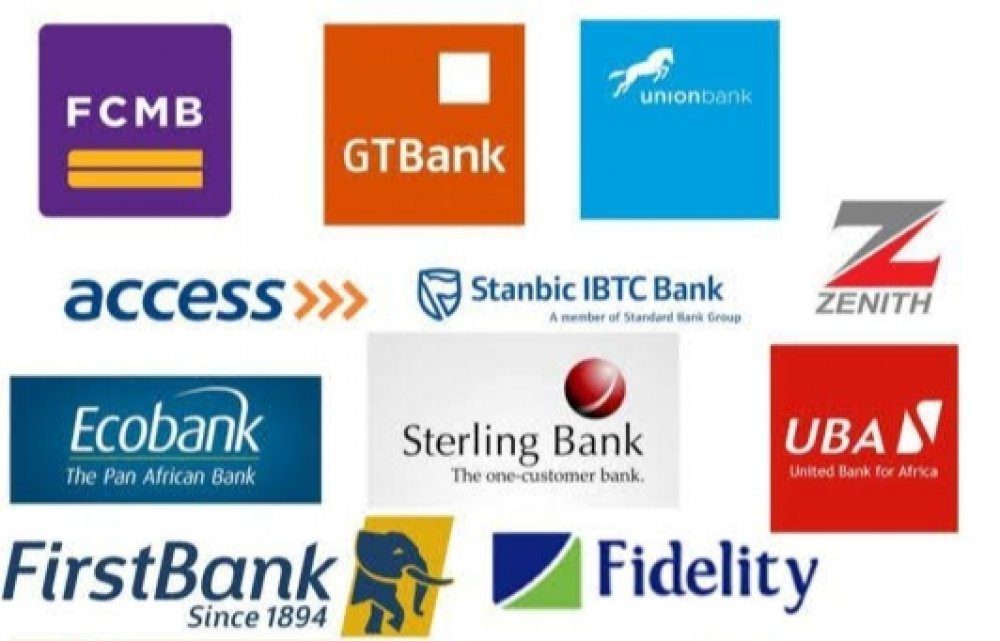
- Zenith Bank
- Access Holdings
- Guaranty Trust Holding Company
- United Bank for Africa
These banks leveraged their international networks to attract significant foreign investment, raising close to 900 million dollars in foreign direct investment.
Read More On:
- Wake Up Fresh Every Day with Biometric Alarms: The Smart Way to Beat Morning Grogginess
- ECOWAS Investment Drive Puts Nigeria Infrastructure Projects at the Center of $266.7M Plan
- Africa Technology Expo Targets Massive Deal Growth in Lagos.
- Nigeria Releases Oil and Gas Reserves Data with Fresh Insights
Late Movers and Strategic Adjustments
Smaller and mid sized banks had a more challenging journey.
Many of them:
- Entered into mergers or strategic partnerships
- Adjusted their business models
- Downgraded their licenses to operate at national or regional levels
This period saw intense consolidation activity as institutions sought to remain competitive.
A Wave of Capital Across Industries
While the banking sector was the main focus, other industries also took part in raising funds.
The Nigerian Exchange experienced a surge in capital raising activity, with total funds reaching about ₦1.2 trillion in 2025.
Notable Examples
- Nigerian Breweries Plc successfully raised funds to reduce its foreign currency debt and returned to profitability with about ₦99.1 billion in profit
- Champion Breweries raised about ₦57.9 billion to support expansion into new markets across Africa
These developments show that recapitalization was not limited to banks. It became a broader strategy for strengthening businesses against economic uncertainty.
Why Recapitalization Became Necessary
The push for higher capital levels did not happen without reason.
Several economic factors made it necessary.
Currency Pressure
Changes in the foreign exchange system led to fluctuations in the value of the naira.
This had a direct impact on banks because:
- The value of their assets in dollar terms declined
- Their balance sheets became weaker when measured globally
National Economic Goals
The administration of Bola Ahmed Tinubu has set an ambitious target of building a 1 trillion dollar economy by the year 2030.
To support such an economy, the country needs strong financial institutions with enough capital to fund large scale projects.
Ensuring Real Liquidity
The Central Bank also made a critical decision to exclude retained earnings from the capital calculation.
This forced banks to raise fresh funds rather than relying on existing reserves.
The goal was simple:
- Ensure that the new capital represents actual cash
- Make sure this cash can be used to support lending and economic growth
Read More On:
- How to Control Aphids Naturally Without Harming Your Garden
- Oil Surges Past $111 as Global Markets React
- Understanding AI Privacy and How to Stay Safe.
- Wabi Sabi Living: How to Create Beautifully Imperfect Clay Pieces for Your Kitchen.
The New Phase: A More Demanding System
Meeting the capital requirement was only the first step.
Now begins a stricter phase where banks will be closely monitored.
Key Expectations
Banks are expected to:
- Increase lending to businesses and households
- Support sectors such as agriculture, infrastructure, and manufacturing
- Avoid keeping excess funds in low risk government instruments
Regulatory Oversight
The Central Bank is introducing tighter supervision measures, including:
- Monitoring loan to deposit ratios to ensure funds are actively used
- Conducting technology audits to strengthen digital security
- Ensuring banks can withstand rising cyber threats
This phase will test whether banks can turn their financial strength into real economic impact.
Market Reaction and Investor Confidence
The recapitalization exercise has had a strong impact on the Nigerian Exchange.
Investor confidence has increased significantly.
Market Performance
- The combined market value of listed banks rose from about ₦8.08 trillion
- It increased to over ₦20.83 trillion by late March 2026
This sharp rise reflects optimism about the future of the banking sector.
What It Means for Nigerians
For everyday Nigerians, these changes carry important benefits.
For Depositors
- Banks are now more stable
- Deposits are backed by stronger financial buffers
For Business Owners
- There is greater access to funding
- Banks are better positioned to offer long term loans
For the Economy
- Increased lending can support growth
- Stronger banks can finance major national projects
Final Thoughts
The end of the recapitalization deadline does not mark the end of the journey. It signals the beginning of a new phase.
Nigeria now has one of the most well capitalized banking sectors in its history.
The real challenge moving forward is clear.
Banks must:
- Use their capital effectively
- Support economic development
- Contribute to national growth targets
If this is achieved, the massive funds raised during this period could play a key role in helping Nigeria move closer to its long term economic ambitions.
Read More On:
- Create a Recovery Zone That Helps You Relax and Recharge.
- Nigeria’s Blue Economy Generates ₦1.83 Trillion as Maritime Revenue Surges
- The Endurance King: Vivo V70 FE Delivers Unmatched Battery Life
- Redmi Note 15 SE: The Smartphone That Redefines Affordable Excellence
- How To Use Limewash to Create a Soft and Textured Interior