

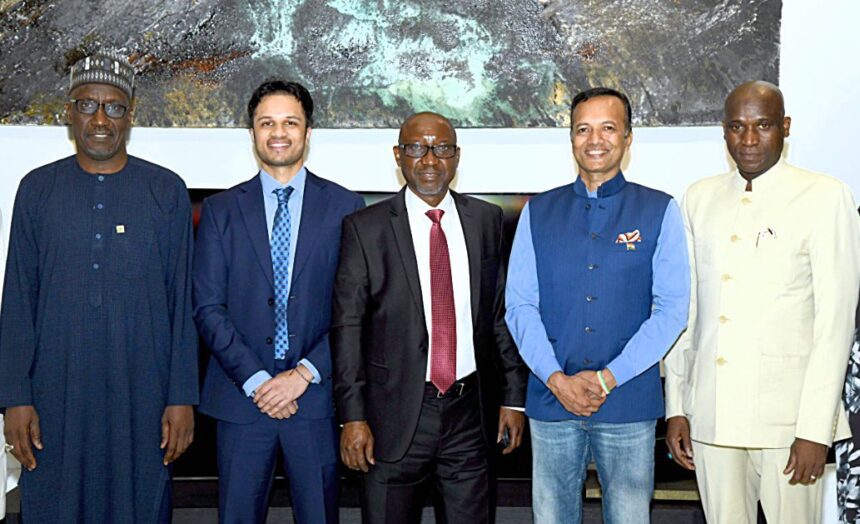
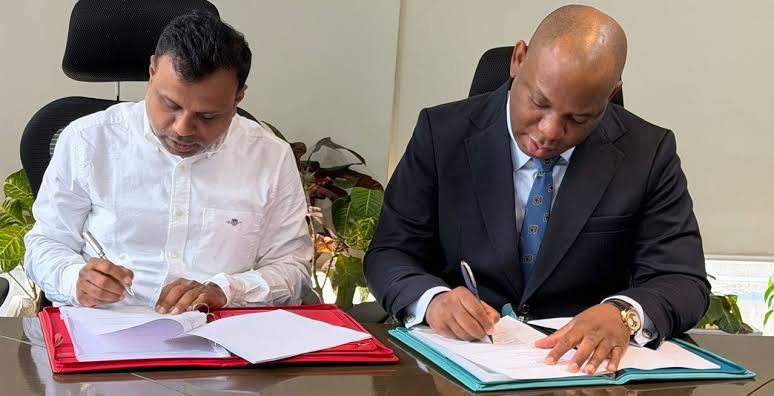
Nigeria has taken a decisive step toward reshaping its industrial future with the signing of a landmark one billion dollar steel production agreement with India based Rashmi Metaliks Group. The deal signals a renewed national commitment to building a strong domestic manufacturing base while reducing dependence on imported steel products.
The agreement, signed by Shuaibu Abubakar Audu, represents one of the most significant foreign investments in Nigeria’s steel sector in recent years. It comes at a time when the country is aggressively pursuing industrialization under the leadership of Bola Ahmed Tinubu.
According to official statements, the investment will be executed over a three year period and is expected to transform the steel value chain through modern production systems, job creation, and improved local capacity.
A Strategic Move to Revive Nigeria’s Steel Industry
The signing of this agreement is not an isolated development. It forms part of a broader national strategy to revive Nigeria’s long struggling steel industry and reposition it as a key driver of economic growth.
Get TikTok SEO Cheat here
During a visit to the company’s integrated steel facility in Kolkata, the Nigerian delegation observed advanced production systems covering several critical stages of steel manufacturing. These include:
• Direct Reduced Iron production
• Pig iron processing
• Billet manufacturing
• Ductile iron pipe production
These integrated operations were described as a model for modern steel production, combining efficiency, innovation, and scalability.
The government believes that adopting similar systems locally will significantly improve Nigeria’s industrial output while reducing reliance on imported steel products.
Why This $1 Billion Deal Matters for Nigeria
The importance of this deal extends far beyond the headline figure. It reflects a deeper transformation in Nigeria’s economic direction, particularly its shift from raw material exports to value driven industrial production.
Key reasons why this deal is critical include:
• Boost to Industrialization
The agreement supports Nigeria’s ambition to build a strong manufacturing sector capable of competing globally.
• Job Creation Opportunities
Large scale steel projects typically generate thousands of direct and indirect jobs across mining, logistics, and production.
• Foreign Exchange Conservation
By producing steel locally, Nigeria can significantly reduce billions of dollars spent annually on imports.
• Technology Transfer
Partnership with an established global player provides access to modern production techniques and operational expertise.
• Strengthening Bilateral Relations
The deal deepens economic ties between Nigeria and India in areas such as manufacturing, mining, and industrial development.
Officials have described the agreement as a major milestone in the country’s effort to reposition its industrial base.
Nigeria’s Steel Potential: Untapped but Massive
Nigeria’s steel sector has long been considered one of the most underutilized segments of its economy despite possessing vast natural resources.
Key facts about Nigeria’s steel potential:
• The country has over three billion tonnes of iron ore reserves
• Some deposits contain up to sixty seven percent iron content
• Domestic demand for steel is estimated at around ten billion dollars annually
Despite these advantages, Nigeria still relies heavily on imported steel products due to limited local production capacity.
This gap between potential and reality is what the government aims to close through strategic investments like the Rashmi Metaliks partnership.
Read More On: Nigeria’s AKK Pipeline Set to Deliver Gas to Abuja
Growing Foreign Investment in Nigeria’s Steel Sector
The one billion dollar deal is part of a wider wave of foreign investment flowing into Nigeria’s steel industry.
Recent developments include:
• Over two point two billion dollars in foreign direct investment attracted into the steel sector
• A four hundred million dollar steel plant project in Ogun State
• A three hundred million dollar integrated steel facility in Kaduna State
• A five hundred million dollar energy project in Ajaokuta to support industrial operations
These investments highlight increasing global confidence in Nigeria’s industrial reforms and economic direction.
Government’s Long Term Vision for Steel Production
Nigeria is not just aiming for incremental improvements. The government has outlined an ambitious long term target to transform the country into a major steel producing nation.
Key targets include:
• Achieving annual crude steel production of ten million tonnes
• Building a fully integrated steel value chain
• Developing supporting infrastructure such as energy and logistics
• Encouraging private sector participation across the industry
According to the Minister of Steel Development, the focus is on creating an ecosystem where steel production thrives alongside mining, energy supply, and manufacturing industries.
What This Means for Nigerians
For everyday Nigerians, the impact of this deal could be far reaching.
Potential benefits include:
• Lower cost of construction materials due to local production
• Increased employment opportunities across multiple sectors
• Growth of small and medium enterprises linked to the steel value chain
• Improved infrastructure development driven by accessible steel supply
For businesses, particularly in construction, manufacturing, and real estate, the availability of locally produced steel could significantly reduce operational costs and improve project delivery timelines.
Investor Confidence on the Rise
The agreement also sends a strong signal to global investors that Nigeria is open for business and serious about industrial growth.
Officials have emphasized that the deal reflects growing confidence in Nigeria’s economic reforms and policy environment.
By securing partnerships with international firms, Nigeria is positioning itself as a competitive destination for large scale industrial investments.
Read More On: Ecobank Records Over ₦1 Trillion Profit as Customer Deposits Surge in Landmark Performance
Challenges Ahead
While the deal is promising, several challenges remain that could influence its success:
• Infrastructure gaps, particularly in power supply
• Regulatory consistency and policy stability
• Security concerns in some industrial regions
• Access to financing for supporting industries
Addressing these issues will be critical to ensuring that the investment delivers its full economic potential.
Nigeria’s Industrial Future
This one billion dollar agreement represents more than just a financial commitment. It is part of a broader transformation aimed at redefining Nigeria’s role in the global economy.
The country is moving away from dependence on crude exports toward a diversified industrial base driven by manufacturing, technology, and value addition.
If successfully implemented, the steel sector could become one of the strongest pillars of Nigeria’s economic growth in the coming years.
Conclusion
The signing of the one billion dollar steel production deal with Rashmi Metaliks Group marks a turning point in Nigeria’s industrial journey. It reflects a clear commitment to building local capacity, attracting foreign investment, and driving sustainable economic growth.
While challenges remain, the momentum generated by this agreement could set the stage for a new era in Nigeria’s manufacturing sector, one where steel becomes the backbone of national development.
Read More On: Lagos Youths Drive ₦4.5 Trillion Annual Contribution to State Economy