


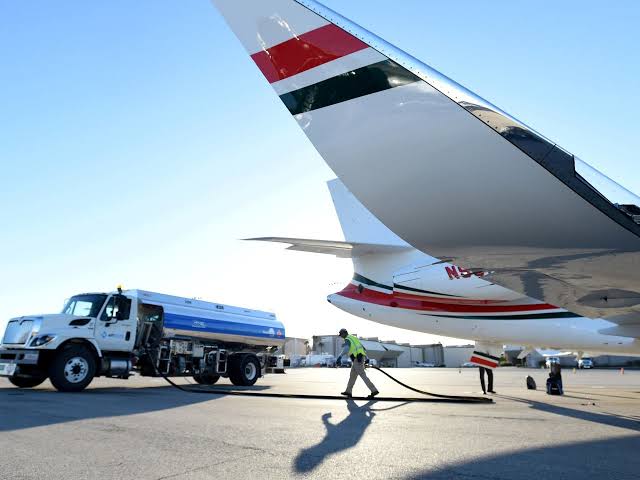
The Nigerian aviation sector is on the brink of a major disruption as domestic airline operators issue a strong warning over the rising cost of aviation fuel. Industry stakeholders have indicated that flight operations across the country may be suspended if urgent intervention is not implemented.
At the center of the crisis is the sharp increase in the price of Jet A1 fuel, which has climbed to levels many operators describe as unsustainable. The situation has triggered concern not only within the aviation industry but also across the broader economy, where air travel plays a critical role in business, logistics, and national connectivity.
A Sudden Surge in Jet Fuel Prices Sparks Crisis
Airline operators under the umbrella of the Airline Operators of Nigeria have raised alarm over what they describe as an extraordinary increase in aviation fuel prices.
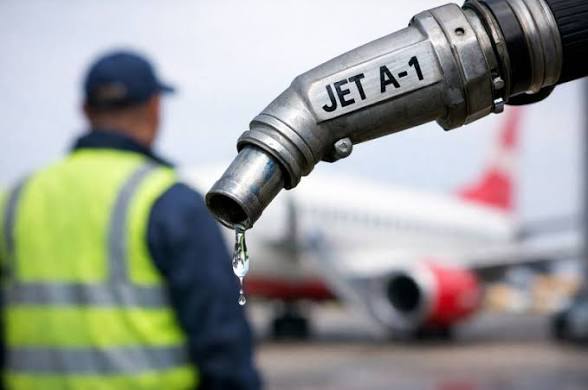
According to industry data, the cost of Jet A1 has surged from about ₦900 per litre in late February to over ₦3,300 per litre within a short period. This represents an increase of more than 300 percent, a spike that operators argue is far beyond global oil price movements.
Get TikTok SEO Cheat here
Operators insist that while global crude oil prices have risen moderately, the local pricing of aviation fuel appears disproportionately high, raising concerns about market inefficiencies and pricing distortions.
This sharp rise has significantly increased the cost of running airline operations in Nigeria, pushing many carriers to the edge of financial viability.
Airlines Issue Shutdown Threat
In a formal communication addressed to the Major Energies Marketers Association of Nigeria, airline operators warned that continued operations under the current fuel pricing structure are no longer feasible.
They emphasized that airlines have continued to operate for several weeks despite mounting losses, driven by a sense of responsibility to passengers and the national economy. However, that resilience is now reaching its limit.
Operators clearly stated that if the current trend continues, they will be forced to suspend all domestic flight operations.
This warning effectively places a countdown on Nigeria’s aviation system, with millions of passengers and businesses potentially affected.
Why the Situation Has Become Unsustainable
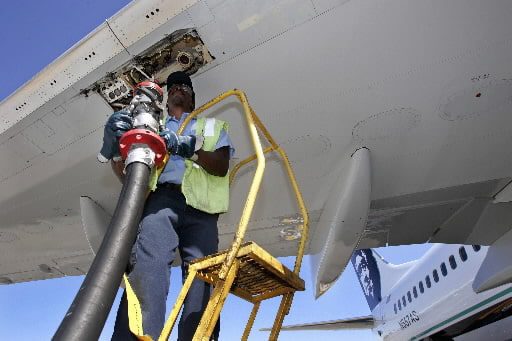
The aviation industry is highly sensitive to fuel costs, with Jet A1 accounting for a significant portion of operational expenses.
In the current scenario, fuel alone is consuming a large share of airline revenue, leaving little room to cover other essential costs such as:
• Aircraft maintenance
• Staff salaries
• Insurance obligations
• Airport and regulatory charges
• Leasing and financing costs
Industry insiders reveal that airline revenues are no longer sufficient to cover fuel expenses alone, making continued operations economically impractical.
Read More On: Financial Loss Hits ₦174.12 Billion for DisCos Despite Better Billing Efficiency
The Difficult Choices Facing Airlines
Airline operators are now confronted with two difficult options, both of which carry serious consequences:
• Increasing ticket prices to reflect the new fuel cost
• Suspending operations entirely
Raising ticket prices may lead to a sharp decline in passenger demand, especially in an economy already under pressure. On the other hand, shutting down operations would disrupt travel, business activities, and supply chains nationwide.
Operators warn that neither option is ideal, but the current situation leaves them with limited alternatives.
Impact on Nigeria’s Economy and Daily Life
A potential shutdown of airline operations would have far reaching implications across multiple sectors of the economy.
Some of the most significant impacts include:
• Disruption of business travel and corporate activities
• Delays in cargo movement and logistics
• Reduced connectivity between major cities
• Negative effects on tourism and hospitality
• Loss of jobs across the aviation value chain
• Pressure on financial institutions exposed to airline financing
Industry leaders caution that millions of livelihoods could be affected if airlines are forced to suspend operations.
Beyond economics, there are also concerns about national security and emergency response capabilities, which rely heavily on air transportation.
Accusations Against Fuel Marketers
Airline operators have openly accused fuel marketers of imposing what they describe as excessive and unjustified pricing.
They argue that the increase in Jet A1 prices is not aligned with global market trends and may be driven by local supply chain inefficiencies or pricing practices.
This has led to calls for urgent intervention to ensure that aviation fuel prices reflect international benchmarks rather than inflated domestic conditions.
Government and Regulatory Attention Intensifies
The issue has attracted the attention of top government officials, including Bola Ahmed Tinubu, as well as key aviation regulators such as the Nigerian Civil Aviation Authority.
Industry stakeholders are now looking to the government for swift action that could include:
• Regulation of aviation fuel pricing
• Strategic intervention in the fuel supply chain
• Temporary relief measures for airlines
• Engagement with marketers to stabilize prices
The urgency of the situation means that any delay in response could push airlines closer to a full operational shutdown.
Read More On: Nigeria and Indian Firm Ink $1 Billion Steel Deal to Bolster Industry
Early Signs of Industry Strain Already Visible
The crisis is no longer theoretical. Reports indicate that at least one domestic airline has already suspended operations due to the rising cost of fuel.
This development serves as a warning sign of what could happen across the industry if the current trend continues.
Many airlines are now operating under severe financial pressure, with limited capacity to absorb further increases.
Aviation Sector at a Critical Turning Point
Nigeria’s aviation industry is now facing one of its most challenging periods in recent years.
The combination of rising operational costs, economic pressures, and infrastructure challenges has created a fragile environment where even short term shocks can have long lasting consequences.
The current fuel crisis highlights deeper structural issues within the sector, including dependence on imported fuel, exchange rate pressures, and limited local refining capacity.
What Happens Next
The coming days will be crucial in determining the future of air travel in Nigeria.
Key developments to watch include:
• Government response to airline operators’ demands
• Possible negotiations between airlines and fuel marketers
• Adjustments in aviation fuel pricing
• Decisions by airlines regarding continued operations
Passengers, businesses, and industry stakeholders are all waiting for clarity as the deadline for a potential shutdown approaches.
The Bottom Line
The warning issued by Nigerian airlines is more than just an industry concern. It is a signal of deeper economic pressures and structural challenges within the country’s energy and transportation sectors.
If unresolved, the surge in Jet A1 prices could trigger a nationwide disruption in air travel, affecting millions of Nigerians and businesses across the country.
At this moment, the aviation industry stands at a critical crossroads where swift intervention could stabilize the sector, while inaction could lead to one of the most significant shutdowns in Nigeria’s recent aviation history.
Read More On: CBN Aims to Cut Legal Battles with New Loan Dispute Mediation Panel