


In what can only be described as a defining quarter, BUA Cement reported a pre-tax profit of N192.68 billion, marking a dramatic surge from the previous comparative period. Even more striking is the after-tax performance, which climbed to N176.4 billion, reflecting a triple-digit percentage increase that places the company firmly at the top tier of industrial profitability in Nigeria.
This performance did not occur in isolation. It is the direct outcome of a carefully orchestrated blend of revenue expansion, disciplined cost control, and opportunistic financial management.
A Revenue Engine Powered by Relentless Demand
At the core of BUA Cement’s exceptional quarter lies a powerful revenue engine driven by sustained demand across Nigeria’s construction value chain.
The company recorded total revenue of N354.98 billion, a significant jump that highlights both volume growth and strong pricing power.
Get TikTok SEO Cheat here
Dominance of Bagged Cement
A deeper dive into the revenue composition reveals a critical insight into the Nigerian market structure:
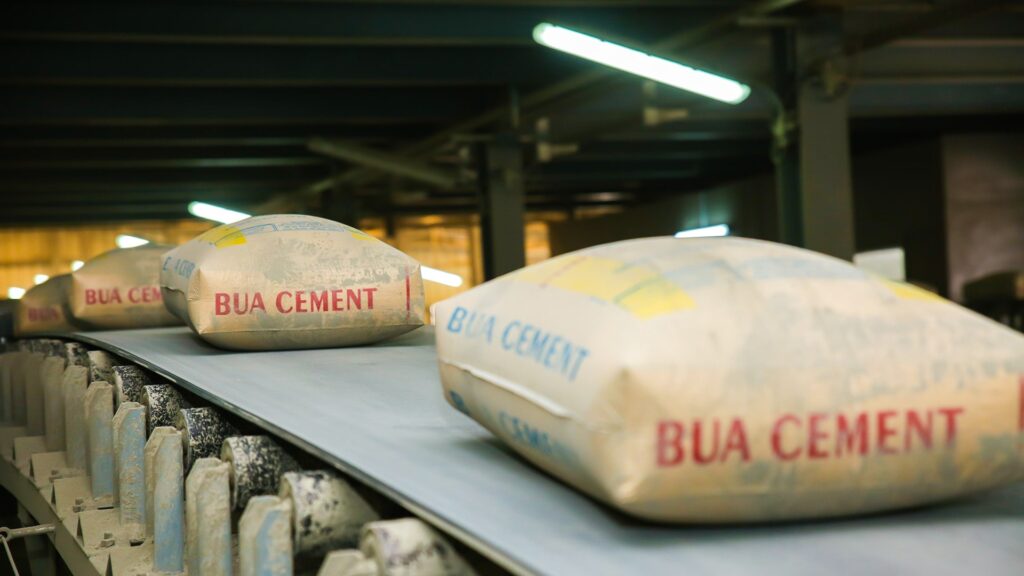
- Bagged cement accounted for an overwhelming majority of total sales
- Approximately 95 percent of revenue came from this segment alone
- This translates to N340.58 billion, dwarfing contributions from bulk cement
This trend reinforces a long-standing reality: Nigeria’s construction sector remains heavily retail-driven, with individual home builders, small contractors, and informal developers forming the backbone of demand.
Bulk cement, often associated with large-scale infrastructure projects, contributed a modest N14.40 billion, underscoring the continued dominance of decentralized construction activities.
Pricing Power in a Tight Market
Equally significant is the company’s ability to sustain high price levels:
- Cement prices hovered between N10,000 and N11,000 per 50kg bag
- Despite inflationary pressures, demand remained resilient
- Consumers absorbed higher prices without a significant drop in volume
This reflects a seller-controlled market, where limited competition and high entry barriers give established players like BUA Cement substantial leverage.
The Silent Driver of Profitability
While revenue growth tells one side of the story, the real strength of BUA Cement’s performance lies in its ability to protect margins in a cost-intensive industry.
Stability in Cost of Sales
The company reported Cost of Sales at N153.08 billion, representing only a marginal increase compared to the prior period.
This is particularly remarkable given:
- Rising fuel and energy costs
- Logistics disruptions across the country
- Inflation impacting raw materials and transportation
Maintaining near-flat costs in such an environment signals exceptional operational efficiency.
Energy Optimization Strategy
Energy remains one of the most significant cost drivers in cement production. However, BUA Cement achieved a notable reduction:
- Energy costs declined to N67.34 billion
- This indicates improved fuel sourcing, energy mix optimization, and possibly enhanced plant efficiency
Such reductions directly translate into stronger gross margins, amplifying overall profitability.
Logistics and Transport Reforms
According to insights from Managing Director Yusuf Binji, internal restructuring played a pivotal role.
Key interventions included:
- Realignment of the transport department
- Improved monitoring systems
- Streamlined delivery operations
The result was:
- Reduced inefficiencies
- Faster delivery cycles
- Lower wastage and operational leakages
These changes demonstrate how organizational restructuring can yield immediate financial impact when executed effectively.
The Hidden Profit Catalyst
Beyond core operations, BUA Cement unlocked a powerful secondary earnings stream through financial activities.
Interest Income Explosion
Finance income surged dramatically:
- From N1.53 billion to N11.28 billion
- Representing an extraordinary leap
This growth was largely driven by:
- Higher interest rates on deposits
- Strategic placement of cash reserves in short-term instruments
With a strong liquidity position, the company effectively turned idle cash into a high-yield revenue source.
Foreign Exchange Gains Reverse Prior Losses
Another major boost came from currency movements:
- Net foreign exchange gain of N13.01 billion
- A sharp reversal from previous FX losses experienced by many Nigerian firms
This swing highlights:
- Improved currency positioning
- Better treasury management
- A more stable foreign exchange environment during the quarter
Together, these financial gains provided a critical cushion, significantly enhancing bottom-line performance.
A Foundation for Expansion
BUA Cement’s balance sheet reflects not just profitability, but long-term strategic ambition.
Asset Growth and Industrial Investment
Total assets expanded to N1.99 trillion, supported heavily by:
- N1.21 trillion in property, plant, and equipment
This underscores continued investment in:
- Production capacity
- Modern manufacturing facilities
- Long-term infrastructure
Expansion into New Production Hubs
The company is actively developing new plants in:
- Sokoto State
- Edo State
Each facility is expected to add:
- 3 million metric tonnes per annum
These projects are strategically important because they:
- Expand geographic reach
- Reduce regional supply gaps
- Strengthen national distribution capacity
Liquidity Position: A Strategic Advantage
BUA Cement closed the quarter with:
- N404.05 billion in cash and short-term deposits
This robust liquidity profile enables the company to:
- Fund expansion internally
- Avoid excessive borrowing
- Maintain financial flexibility in uncertain conditions
Cement Industry Becomes a Seller’s Stronghold
The broader implication of BUA Cement’s performance extends beyond company results. It reflects the structure of Nigeria’s cement industry itself.
With only a few dominant players, including:
- Dangote Cement Plc
- Lafarge Africa Plc
The market exhibits:
- High barriers to entry
- Limited competition
- Strong pricing control
In such an environment:
- Producers dictate pricing trends
- Demand consistently outpaces supply
- Profit margins remain elevated
BUA Cement’s ability to more than double its profit is a direct reflection of this favorable market structure.
What This Means for the Nigerian Construction Ecosystem
For stakeholders across the construction value chain, these results carry significant implications:
For Developers and Contractors
- Continued high cement prices may increase project costs
- Budget planning becomes more complex
- Margins may tighten for smaller contractors
For Investors
- Cement companies remain among the most profitable industrial assets
- Strong earnings signal long-term growth potential
- Dividend prospects are likely to remain attractive
For the Economy
- Sustained demand indicates ongoing infrastructure and housing activity
- Industrial expansion contributes to job creation
- Increased production capacity may eventually stabilize prices
Final Insight
BUA Cement’s latest financial disclosure is more than a quarterly report. It is a clear signal of industrial strength, strategic execution, and market dominance.
The company has demonstrated that even in a challenging economic climate, precision in operations, smart financial management, and strong market positioning can deliver extraordinary outcomes.
For observers on digiconceptng.com, this performance reinforces a critical takeaway:
The Nigerian cement industry is not merely surviving. It is thriving, evolving, and consolidating power in the hands of a few highly efficient players.
If you want, we can take this further with a , showing who is truly leading the market right now.
Read More On: