


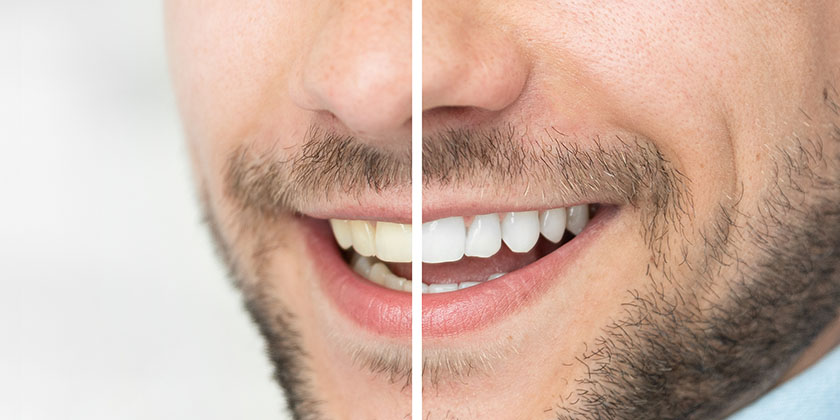
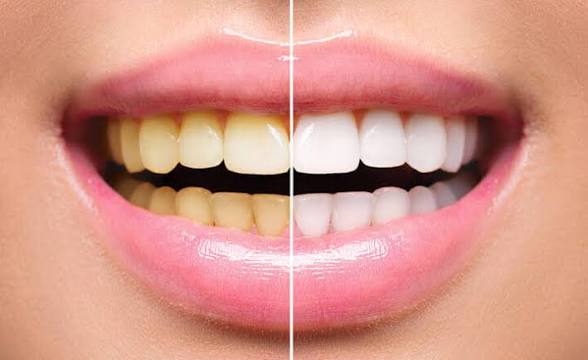
A bright smile has become more than just a cosmetic desire. It is now deeply connected to confidence, communication, self presentation, and even professional impressions. Whether you are attending interviews, appearing on video calls, creating content online, speaking in public, or simply interacting socially, the appearance of your smile often leaves a lasting impression before words are even spoken.
However, many people unknowingly damage their teeth while trying to make them whiter.
Social media trends, unverified home remedies, and overly aggressive whitening products have created a dangerous culture where people prioritize instant results over long term oral health. What many fail to realize is that your enamel is a non renewable protective shield. Once it becomes thin or eroded, your body cannot naturally rebuild it.
This is where safe whitening becomes extremely important.
Get TikTok SEO Cheat here
True teeth whitening should never involve pain, burning sensations, excessive sensitivity, or permanent enamel damage. A healthy whitening routine focuses on gradual improvement, stain removal, enamel preservation, and long term maintenance rather than unrealistic “paper white” results.
This detailed guide explores everything you need to know about whitening your teeth safely. You will learn:
- How enamel actually works
- The difference between safe and dangerous whitening methods
- Professional dental options
- Safe over the counter products
- Common whitening mistakes to avoid
- Natural remedies that truly help
- Foods and drinks that stain teeth
- Long term maintenance strategies for a naturally radiant smile
By the end of this guide, you will understand how to brighten your smile effectively without sacrificing the strength and health of your teeth.
Understanding Tooth Enamel Before Whitening
Before using any whitening product, you must first understand what enamel actually is.
Enamel is the outer protective covering of your teeth. It acts like a shield that protects the softer inner layers from:
- Bacteria
- Acid attacks
- Food particles
- Temperature sensitivity
- Physical wear
Although enamel is the hardest substance in the human body, it is still vulnerable to gradual erosion.
Once enamel becomes thin, several problems begin to appear:
| Enamel Damage Effects | What Happens |
|---|---|
| Increased Sensitivity | Hot and cold foods become painful |
| Yellow Appearance | The dentin underneath becomes more visible |
| Higher Risk of Cavities | Teeth lose natural protection |
| Rough Tooth Texture | Teeth feel uneven or weak |
| Cracks and Chips | Teeth become more fragile |
This is why aggressive whitening methods can actually make your smile worse over time.
Ironically, many unsafe whitening hacks initially make teeth appear brighter because they strip away the stained surface. But after repeated use, the enamel becomes thinner, exposing more yellow dentin underneath. The result is teeth that eventually look darker, weaker, and more sensitive.
Understanding Why Teeth Become Stained
Not all stains are the same.
To whiten safely, you must first understand what type of discoloration you are dealing with.
Extrinsic Stains
These are surface stains that develop on the outer enamel layer.
Common causes include:
- Coffee
- Tea
- Red wine
- Cola drinks
- Tobacco
- Curry
- Dark berries
- Poor oral hygiene
Extrinsic stains are easier to remove and respond well to safe whitening methods.
Intrinsic Stains
These stains occur inside the tooth structure itself.
Causes include:
- Aging
- Certain medications
- Trauma to the tooth
- Excess fluoride exposure
- Genetic factors
Intrinsic stains are more difficult to treat and often require professional whitening procedures.
The Biggest Mistakes People Make When Whitening Their Teeth
Many people unintentionally damage their enamel because they believe stronger methods equal faster results.
That is not true.
Here are some of the most harmful whitening mistakes people commonly make.
Using Lemon Juice on Teeth
Lemon juice is extremely acidic.
It weakens enamel by dissolving minerals from the tooth surface. Although teeth may appear cleaner temporarily, repeated exposure causes permanent enamel erosion.
The damage includes:
- Severe sensitivity
- Tooth thinning
- Increased cavity risk
- Rough tooth surfaces
Scrubbing Teeth with Charcoal
Charcoal toothpaste has become popular online, but many dental experts warn against excessive use.
Most charcoal products are highly abrasive.
Instead of safely whitening teeth, they act like sandpaper against enamel.
Over time, this can lead to:
- Enamel wear
- Gum irritation
- Darker looking teeth
- Tooth sensitivity
Overusing Whitening Strips
Even safe whitening products become dangerous when abused.
Some people use whitening strips daily for months hoping for ultra white teeth.
This often causes:
- Enamel dehydration
- Gum irritation
- Sharp sensitivity
- Uneven whitening
Moderation is essential.
Ignoring Gum Health
Healthy gums are just as important as white teeth.
Using strong whitening agents on inflamed gums can cause:
- Burning sensations
- Gum recession
- Soft tissue irritation
Always treat gum problems before beginning any whitening treatment.
Safe Professional Whitening Methods
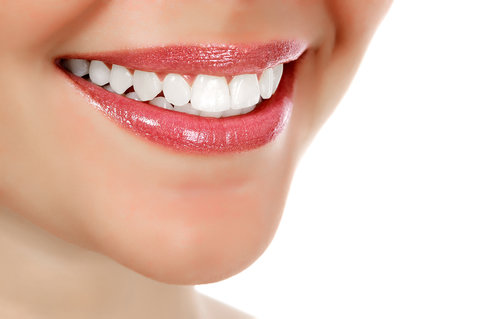
Professional dental whitening remains the safest and most effective option.
Dentists understand how to whiten teeth while protecting enamel and gum tissue.
In Office Professional Whitening
This method involves high strength whitening gels applied under professional supervision.
The dentist protects your gums using special barriers before applying the whitening agent.
Benefits
| Advantage | Explanation |
|---|---|
| Fast Results | Teeth can become several shades brighter in one session |
| Safer Application | Gums and enamel are carefully protected |
| Reduced Risks | Lower chance of burns or overuse |
| Professional Monitoring | Dentists can adjust treatment based on sensitivity |
Best For
- Deep stains
- Fast whitening goals
- Sensitive teeth cases
- Intrinsic discoloration
Custom Take Home Whitening Trays
Dentists also provide custom fitted trays designed specifically for your teeth.
Unlike generic kits, custom trays ensure the whitening gel stays where it should.
Why This Matters
Poorly fitted trays allow gel leakage onto gums, causing irritation.
Custom trays help:
- Reduce sensitivity
- Improve even whitening
- Protect gum tissue
- Prevent excessive gel usage
Safe Over The Counter Whitening Products
Home whitening can still be safe when done correctly.
The key is choosing enamel safe products with controlled ingredients.
What to Look for in a Safe Whitening Product
Hydrogen Peroxide or Carbamide Peroxide
These ingredients safely break down stains when used correctly.
They work by releasing oxygen molecules that lift discoloration from the tooth structure.
Contrary to popular myths, professionally formulated peroxide does not “melt” enamel.
Problems usually arise from overuse or misuse.
Low Abrasiveness
Choose products specifically labeled as gentle or enamel safe.
Avoid products that feel gritty or rough.
Sensitivity Protection
Some products include ingredients like:
- Potassium nitrate
- Fluoride
- Hydroxyapatite
These help reduce sensitivity while strengthening enamel.
Best Types of Safe Whitening Products
| Product Type | Safety Level | Best Use | |—|—| | Whitening Strips | High | Mild to moderate stains | | Whitening Toothpaste | Moderate | Maintenance | | LED Whitening Kits | High | Faster home whitening | | Whitening Pens | Moderate | Quick touch ups | | Abrasive Powders | Low | Not recommended |
Helpful or Harmful?
Not all whitening toothpastes are equal.
Some simply polish away surface stains gently.
Others contain harsh abrasives that slowly damage enamel.
The safest whitening toothpastes focus on:
- Low abrasion
- Fluoride protection
- Gentle polishing agents
Look for formulas designed for sensitive teeth and enamel repair.
How to Whiten Teeth Naturally Without Damage
Natural whitening is possible, but it must be approached carefully.
Safe natural methods focus on preventing stains rather than aggressively bleaching teeth.
Oil Pulling
Oil pulling involves swishing coconut oil in the mouth for several minutes.
Although it does not dramatically whiten teeth, it may help reduce plaque buildup and improve oral cleanliness.
Cleaner teeth naturally appear brighter.
Crunchy Fruits and Vegetables
Foods like:
- Apples
- Carrots
- Celery
help stimulate saliva production and gently clean tooth surfaces.
Saliva naturally protects enamel and reduces staining buildup.
Hydration
Drinking plenty of water throughout the day helps rinse away stain causing particles before they settle onto enamel.
Water also reduces acid buildup after meals.
The White Diet After Whitening
Immediately after whitening, teeth become temporarily more porous.
This means they can absorb stains more easily.
For at least two days after whitening, avoid strongly pigmented foods and drinks.
Foods to Avoid After Whitening
| Foods and Drinks | Why They Stain |
|---|---|
| Coffee | Dark pigments penetrate enamel |
| Tea | Contains tannins |
| Red Wine | Highly pigmented and acidic |
| Cola Drinks | Acidic and dark colored |
| Soy Sauce | Deep staining pigments |
| Curry | Strong yellow coloring |
Foods That Are Safer After Whitening
| Safer Choices | Benefits |
|---|---|
| Plain Rice | Low staining |
| Chicken | Mild pigmentation |
| Yogurt | Gentle on enamel |
| Bananas | Soft and non staining |
| Water | Helps rinse teeth |
How to Prevent Future Stains
The easiest whitening strategy is preventing stains before they become severe.
Use a Straw
Using a straw helps reduce direct contact between staining beverages and your front teeth.
This is especially helpful for:
- Coffee
- Iced tea
- Soda drinks
Brush at the Right Time
Never brush immediately after consuming acidic foods or drinks.
Acid temporarily softens enamel.
Wait about thirty minutes before brushing.
Rinse After Eating
Simply rinsing your mouth with water after meals can dramatically reduce staining over time.
Visit Your Dentist Regularly
Professional cleaning removes hardened plaque and tartar that brushing alone cannot eliminate.
Regular cleanings also help maintain brighter teeth naturally.
Whitening for Sensitive Teeth
If your teeth are naturally sensitive, whitening requires extra caution.
Tips for Sensitive Teeth
- Use lower concentration whitening products
- Avoid overnight whitening treatments
- Use sensitivity toothpaste beforehand
- Reduce whitening frequency
- Avoid extremely hot or cold foods during treatment
Sensitivity usually occurs because whitening temporarily opens microscopic pores in the teeth.
This effect is often temporary when treatments are used correctly.
Signs You Should Stop Whitening Immediately
Stop whitening and consult a dentist if you experience:
- Sharp lingering pain
- Gum burns
- White patches on gums
- Severe sensitivity lasting several days
- Tooth cracking sensations
These may indicate enamel stress or chemical irritation.
Safe Whitening Methods Compared
| Whitening Method | Enamel Safety | Speed | Cost Level |
| Professional In Office Whitening | Excellent | Very Fast | High |
| Custom Dentist Trays | Excellent | Moderate | Medium to High |
| Whitening Strips | Good | Moderate | Medium |
| Whitening Toothpaste | Good | Slow | Affordable |
| Charcoal Methods | Poor | Unpredictable | Low |
| Lemon Juice Remedies | Dangerous | Harmful | Very Low |
Building a Long Term Whitening Routine
The healthiest smile is maintained consistently over time.
Instead of chasing unrealistic brightness, focus on preserving healthy enamel while gradually improving color.
A Simple Weekly Whitening Routine
| Routine Step | Frequency |
|---|---|
| Brush Twice Daily | Every Day |
| Floss | Every Day |
| Use Whitening Toothpaste | Daily |
| Whitening Strips | As Directed |
| Professional Cleaning | Twice Yearly |
| Reduce Staining Drinks | Consistently |
Final Thoughts
A beautiful smile should never come at the cost of damaged enamel.
Safe teeth whitening is not about using the strongest products or following viral internet hacks. It is about understanding your teeth, choosing evidence based methods, and protecting your enamel for the long term.
Remember this important truth:
Healthy teeth naturally look more attractive than overly whitened damaged teeth.
Focus on gradual improvement, proper oral hygiene, enamel protection, and consistency. The safest whitening routines often produce the most natural and lasting results.
Read More On: