



In today’s fast paced world, silence has become increasingly rare. From blaring traffic and construction equipment to crowded offices, generators, concerts, industrial workplaces, and constant headphone use, the modern human ear is under relentless pressure every single day. Many people do not realize that hearing damage often happens gradually and silently. By the time symptoms become noticeable, a significant portion of hearing ability may already be permanently lost.
Unlike other parts of the body that can heal after injury, the delicate sensory hair cells inside the inner ear do not regenerate once destroyed. These microscopic cells are responsible for translating sound vibrations into signals your brain can understand. Excessive noise exposure slowly damages them until speech becomes harder to understand, ringing in the ears becomes frequent, and everyday communication starts to feel exhausting.
For professionals, students, creatives, remote workers, event organizers, engineers, and individuals constantly surrounded by noise, healthy hearing is not just a medical concern. It is directly connected to productivity, confidence, communication, concentration, and overall quality of life. Whether you spend your day attending loud events, operating machinery, editing audio, commuting through chaotic traffic, or listening to music through earbuds for hours, your ears are working harder than you think.
The alarming reality is that many cases of hearing loss are entirely preventable. Protecting your hearing does not mean giving up music, social events, entertainment, or modern technology. It simply means learning how sound affects your ears and adopting smarter daily habits that reduce long term damage.
Get TikTok SEO Cheat here
This detailed guide explores practical and scientifically backed strategies for preventing hearing loss in loud environments. Rather than focusing on expensive gadgets or complicated medical solutions, this article is designed as a practical how to guide that anyone can implement immediately.
You will learn how to safely use headphones, understand dangerous decibel levels, choose effective ear protection, create recovery periods for your ears, and identify hidden risks that most people completely overlook.
Your hearing is an asset you use every waking moment of your life. Protecting it today can preserve your communication abilities, mental sharpness, and professional effectiveness for decades to come.
Understanding Noise Induced Hearing Loss
Before exploring prevention strategies, it is important to understand how hearing damage actually occurs.
Inside the cochlea of your inner ear are thousands of tiny sensory cells known as hair cells. These cells move in response to sound vibrations and send electrical signals to the brain. Loud noise overstimulates these cells. Over time, repeated exposure causes them to weaken, bend permanently, or die completely.
The danger lies in the fact that hearing damage is cumulative. Small amounts of damage add up over months and years.
Common warning signs include:
| Warning Sign | What It May Mean |
|---|---|
| Ringing in the ears | Early auditory stress |
| Difficulty hearing conversations | High frequency hearing damage |
| Needing higher volume levels | Reduced sound sensitivity |
| Ear discomfort after loud events | Noise overexposure |
| Muffled hearing after concerts | Temporary threshold shift |
Ignoring these symptoms can eventually lead to permanent hearing impairment.
1. Master the 60 60 Rule for Personal Audio
One of the biggest contributors to modern hearing loss is prolonged headphone and earbud use. Many people unknowingly expose themselves to dangerous sound levels for hours every day.
The 60 60 rule is one of the simplest and most effective hearing protection strategies available.
What the Rule Means
Listen at no more than 60 percent of your device’s maximum volume for no longer than 60 minutes continuously before taking a break.
This simple habit dramatically reduces stress on the inner ear.
Why This Matters
Most smartphones and audio devices can produce sound levels exceeding 100 decibels at maximum volume. At these levels, hearing damage can begin within minutes.
People often increase volume unconsciously because of:
- Traffic noise
- Office chatter
- Generators
- Gym environments
- Public transportation
- Crowded streets
The louder the surrounding environment becomes, the more tempting it is to raise headphone volume.
How to Apply the 60 60 Rule Properly
Step 1: Reduce Default Volume Settings
Many phones allow users to set volume limits. Activate these features to prevent accidental overexposure.
Step 2: Use Listening Breaks
After an hour of listening, remove your headphones entirely for several minutes. Silence helps your ears recover.
Step 3: Avoid Sleeping With Earbuds
Continuous overnight audio exposure keeps the ears under stress for extended periods.
Step 4: Monitor Listening Fatigue
If your ears feel tired, pressured, or slightly numb after listening sessions, your volume is likely too high.
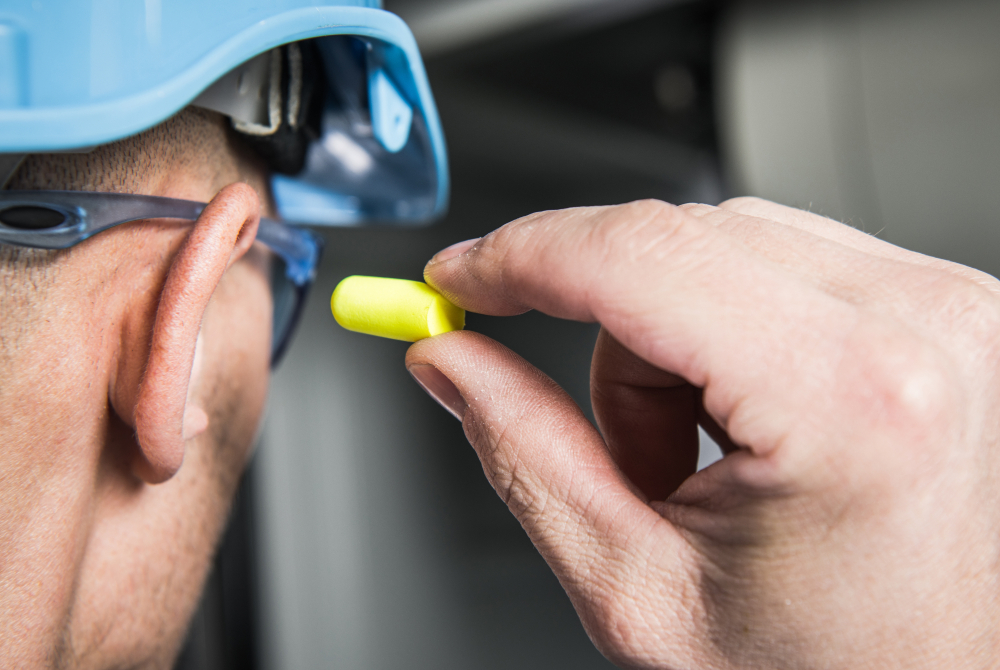
2. Invest in High Fidelity Earplugs
Many people avoid earplugs because they believe ear protection ruins sound quality. Traditional foam earplugs often muffle speech and distort music, making conversations difficult.
High fidelity earplugs solve this problem.
What Makes High Fidelity Earplugs Different
Unlike basic foam plugs, high fidelity earplugs reduce sound evenly across frequencies. This means you still hear voices, music, and environmental sounds clearly, just at safer levels.
They are designed to preserve sound clarity while lowering dangerous intensity.
Who Benefits Most From Them
These earplugs are especially useful for:
| Environment | Why They Help |
|---|---|
| Concerts | Reduce dangerous music volume |
| Construction sites | Protect from machinery noise |
| Event management | Preserve communication clarity |
| Factories | Lower industrial noise exposure |
| Religious gatherings | Reduce prolonged speaker exposure |
| Airports | Minimize engine and crowd noise |
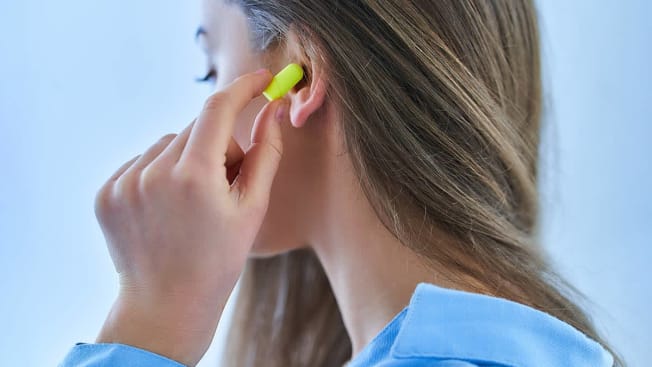
How to Use Earplugs Correctly
Improperly worn earplugs provide limited protection.
Important Steps
- Ensure the earplug fits snugly
- Insert before entering loud environments
- Keep them clean to avoid ear infections
- Replace worn out earplugs regularly
Why Consistency Matters
Occasional protection is not enough. Hearing safety only works when practiced consistently.
3. Choose Noise Canceling Instead of Noise Drowning
Many people make a dangerous mistake in noisy environments. They attempt to overpower background noise by increasing their music volume.
This creates double exposure because the ears absorb both the environmental noise and the amplified audio simultaneously.
The Smarter Alternative
Active Noise Canceling headphones reduce surrounding noise electronically. This allows users to listen comfortably at much lower volumes.
How Noise Canceling Technology Works
These headphones detect external sounds and produce opposing sound waves that reduce environmental noise before it reaches the ear.
This is particularly effective against:
- Aircraft engine noise
- Traffic sounds
- Air conditioners
- Generators
- Office hum
- Train noise
Safe Usage Practices
Even with noise canceling headphones, hearing protection habits still matter.
Best Practices
| Healthy Habit | Benefit |
|---|---|
| Keep volume moderate | Reduces inner ear stress |
| Use over ear models | Better passive isolation |
| Avoid maximum volume | Prevents cumulative damage |
| Take listening breaks | Allows auditory recovery |
Why Over Ear Models Are Better
Over ear headphones create physical separation between speakers and the ear canal, often reducing pressure compared to deeply inserted earbuds.
4. Use Distance as a Powerful Hearing Protection Tool
One of the easiest and most overlooked hearing protection strategies is simply moving farther away from loud sound sources.
Understanding the Relationship Between Distance and Sound
Sound intensity decreases significantly as distance increases.
Even a small increase in distance from:
- Loudspeakers
- Industrial equipment
- Heavy generators
- Power tools
- Fireworks
- Sirens
can dramatically reduce the amount of sound energy reaching your ears.
Practical Everyday Applications
At Events
Avoid standing directly beside speakers.
At Worksites
Position yourself farther from machinery whenever possible.
At Home
Do not sit too close to televisions or sound systems.
During Calls
Use speaker mode at moderate levels instead of placing loud devices directly against the ear.
Why This Strategy Is So Effective
Distance reduces exposure without requiring equipment, technology, or additional cost.
It is one of the simplest forms of hearing preservation.
5. Monitor Decibel Levels Around You
Most people cannot accurately judge dangerous sound levels using their ears alone.
What feels “normal” may already be harmful.
Understanding Decibel Risk Levels
| Sound Source | Approximate dB Level | Risk Level |
| Whisper | 30 dB | Safe |
| Conversation | 60 dB | Safe |
| Busy Traffic | 85 dB | Prolomged Exposure Risky |
| Power tools | 100 dB | Dangerous |
| Nightclubs | 110 dB | Very Dangerous |
| Sirens | 120 dB | Immediate Risk |
Why 85 dB Is Important
Health experts generally identify 85 decibels as the threshold where prolonged exposure begins becoming harmful.
As sound intensity increases, safe exposure time decreases rapidly.
Using Smartphone Sound Meter Apps
Sound monitoring apps can help identify dangerous environments.
These tools are useful for:
- Construction supervisors
- Event organizers
- Audio engineers
- Office workers
- Students
- Remote workers
How to Respond to Dangerous Levels
If sound levels consistently exceed safe limits:
- Reduce exposure time
- Wear hearing protection
- Increase distance
- Lower headphone volume
- Take quiet breaks
6. Practice Ear Recovery and Quiet Time
Your ears need recovery periods just like your muscles need rest after intense exercise.
Constant sound exposure creates auditory fatigue.
What Is Auditory Fatigue
Auditory fatigue occurs when the hearing system becomes overstimulated after prolonged noise exposure.
Symptoms include:
- Headaches
- Ringing in the ears
- Difficulty concentrating
- Irritability
- Sound sensitivity
- Temporary muffled hearing
How Quiet Recovery Helps
Silence gives the sensory structures inside the ear time to stabilize and recover from stress.
Simple Recovery Habits
| Recovery Method | Benefit |
|---|---|
| Sitting in silence | Reduces auditory stress |
| Limiting evening noise | Helps overnight recovery |
| Taking breaks during work | Prevents overexposure |
| Reducing unnecessary audio | Protects long term hearing |
Practical Routine
After exposure to loud environments, spend at least 15 to 20 minutes in a quiet setting before returning to another noisy space.
7. Understand Ototoxic Risks
Many people do not realize that certain medications and chemicals can increase vulnerability to hearing damage.
These substances are called ototoxic agents.
What Ototoxic Means
Ototoxic substances can damage the inner ear or auditory nerve, particularly when combined with loud noise exposure.
Examples of Potential Ototoxic Substances
| Substance Type | Potential Risk |
|---|---|
| Certain antibiotics | Inner ear damage |
| High aspirin doses | Temporary hearing effects |
| Industrial solvents | Increased vulnerability |
| Some chemotherapy drugs | Hearing impairment |
Why Awareness Matters
If you regularly work in loud environments while using ototoxic medications, your hearing may be at significantly greater risk.
Protective Actions
Consult Healthcare Professionals
Always ask whether prescribed medications affect hearing.
Increase Protection Measures
Use hearing protection more consistently if exposed to loud environments while taking such medications.
Avoid Combining Risks
Loud noise and ototoxic substances together can accelerate hearing damage dramatically.
8. Schedule Regular Hearing Tests
Hearing loss develops gradually. Many people adapt unconsciously and fail to recognize declining hearing ability.
Routine hearing evaluations help identify problems early.
Why Hearing Tests Matter
Professional hearing tests establish a baseline for comparison over time.
This helps detect subtle changes before they become severe.
What an Audiometric Test Measures
A hearing evaluation can assess:
- Frequency sensitivity
- Speech clarity
- Sound recognition
- Hearing balance between ears
Who Should Prioritize Regular Screening
| High Risk Group | Reason |
|---|---|
| Construction workers | Machinery exposure |
| DJs and musicians | Loud audio exposure |
| Factory workers | Industrial noise |
| Call center workers | Continuous headset use |
| Heavy commuters | Traffic noise exposure |
The Benefit of Early Detection
When hearing loss is identified early, lifestyle changes can slow further deterioration significantly.
How to Create a Personal Hearing Protection Routine
The most effective hearing protection strategy is consistency.
Daily Hearing Safety Checklist
| Habit | Frequency |
|---|---|
| Moderate headphone volume | Daily |
| Listening breaks | Every hour |
| Ear protection in loud spaces | Always |
| Quiet recovery periods | Daily |
| Sound level monitoring | As needed |
| Hearing evaluations | Regularly |
Signs You Should Seek Professional Help Immediately
Do not ignore serious hearing symptoms.
Seek professional evaluation if you experience:
- Persistent ringing in the ears
- Sudden hearing loss
- Ear pain after noise exposure
- Difficulty understanding speech
- Dizziness linked to sound exposure
Early intervention can prevent worsening damage.
Protecting Your Hearing Is Protecting Your Future
Hearing is deeply connected to communication, productivity, relationships, creativity, and emotional well being. Once damaged, it is incredibly difficult to restore naturally. That is why prevention remains the most powerful strategy.
The encouraging reality is that hearing protection does not require dramatic lifestyle changes. Small daily habits such as lowering headphone volume, stepping away from loud speakers, using proper ear protection, and giving your ears regular recovery time can make a profound difference over the course of your life.
Modern life is noisy, but permanent hearing damage is not inevitable.
By understanding how sound affects your ears and implementing these practical strategies consistently, you can preserve your auditory health while still enjoying music, social events, work environments, and the technology driven lifestyle of today’s world.
Healthy hearing is not merely about avoiding deafness. It is about maintaining clarity, confidence, focus, and quality of life for years to come.
Read More On: