


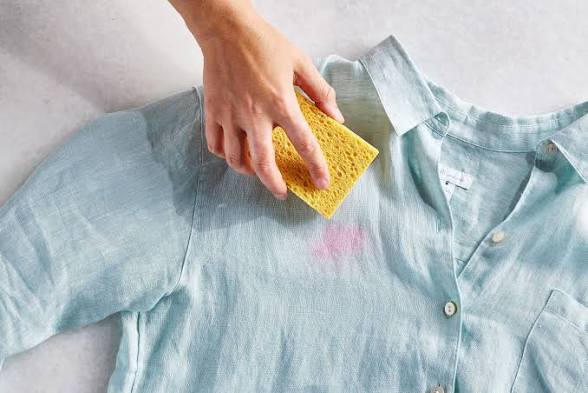
Keeping your clothes clean is no longer just about washing and hoping for the best. In 2026, understanding the science behind stains gives you a clear advantage. Every stain has a structure, and once you understand how it bonds with fabric, removing it becomes far easier and far more effective.
This guide does not just tell you what to do. It explains why each method works so you can confidently tackle any stain without damaging your garments.
1. The Golden Rule
Speed and Strategy
The first few minutes after a stain appears are the most important. What you do in that short window determines whether the stain fades away or becomes permanent.
Act Immediately
Fresh stains are still sitting on the surface of the fabric. At this stage, they have not yet bonded deeply with the fibers. Acting quickly keeps the stain in a removable state.
Get TikTok SEO Cheat here
If you delay, the stain begins to oxidize and chemically attach itself to the fabric. This is what turns a simple spill into a stubborn, set-in mark.
Blotting Technique Explained
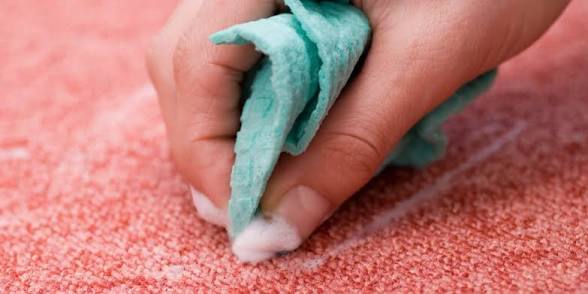
Blotting is not just a suggestion. It is a technique that prevents the stain from spreading.
- Use a clean white cloth or paper towel
- Press gently to absorb the liquid
- Start from the outer edge and move inward
This inward motion prevents the stain from expanding into clean fabric. Rubbing does the opposite. It pushes the stain deeper and spreads it outward, making it larger and harder to remove.
Why Cold Water Comes First
Cold water slows down chemical reactions. This is critical for stains like blood, sweat, or dairy.
Hot water, on the other hand, accelerates bonding. It essentially “locks” protein stains into the fabric permanently. Think of it like cooking an egg. Once heat is applied, the structure changes and cannot be reversed.
2. Identifying Your Enemy
Understanding the Chemistry of Stains
Every stain behaves differently. Treating all stains the same way is one of the biggest mistakes people make.
A. Protein-Based Stains
Examples include:
- Blood
- Sweat
- Milk and dairy
- Grass
These stains come from organic sources and contain proteins that bind tightly to fabric fibers.
Why They Are Difficult
Protein stains react strongly to heat. When exposed to warm or hot water, they coagulate and harden within the fabric structure.
Detailed Solution
- Rinse immediately with cold water
- Soak in cold water for at least 30 minutes
- Add an enzymatic detergent containing protease
Enzymes break down protein molecules into smaller fragments. This process essentially dissolves the stain at a molecular level.
Pro Tip
If the stain is already dry, extend soaking time to one hour and gently agitate the fabric every 10 minutes to loosen the particles.
B. Oil-Based Stains
Examples include:
- Cooking oil
- Butter
- Makeup
- Lotion
- Engine grease
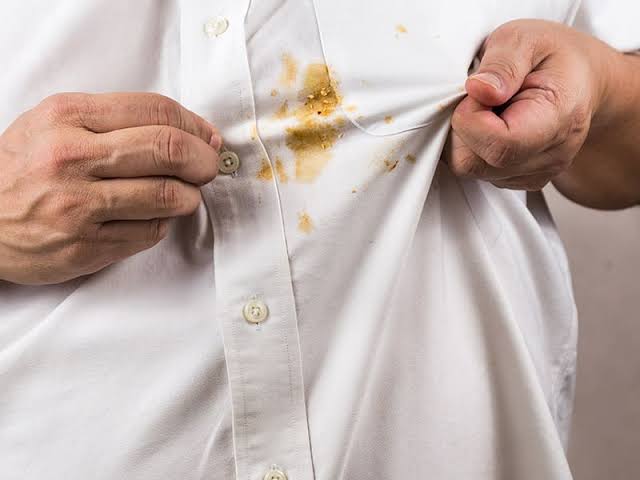
Oil stains are slippery and resistant to water because oil repels water.
Why They Are Stubborn
Oil binds to fabric fibers and traps dirt, making the stain darker over time. Water alone cannot penetrate this layer.
Detailed Solution
- Apply dish soap directly to dry fabric
- Gently massage the area with your fingers or a soft brush
- Let it sit for at least 15 to 20 minutes
Dish soap contains surfactants. These are molecules designed to break down oil and allow water to wash it away.
Pro Tip
Never wet the stain before applying soap. Applying soap to dry fabric allows it to target the oil directly without dilution.
C. Tannin and Dye-Based Stains
Examples include:
- Red wine
- Coffee
- Tea
- Ink
These stains behave like dyes and attach themselves to the fabric permanently if not treated correctly.
Why They Are Persistent
They penetrate deep into fibers and leave behind strong color pigments.
Detailed Solution
- Use white vinegar or hydrogen peroxide
- Apply gently and allow time for the chemical reaction
Hydrogen peroxide works by oxidation. It breaks down the color molecules, making them invisible.
Pro Tip
Always test peroxide on a hidden area first. While it is mild, it can lighten colored fabrics.
3. The “Power Paste” Solution Explained in Depth
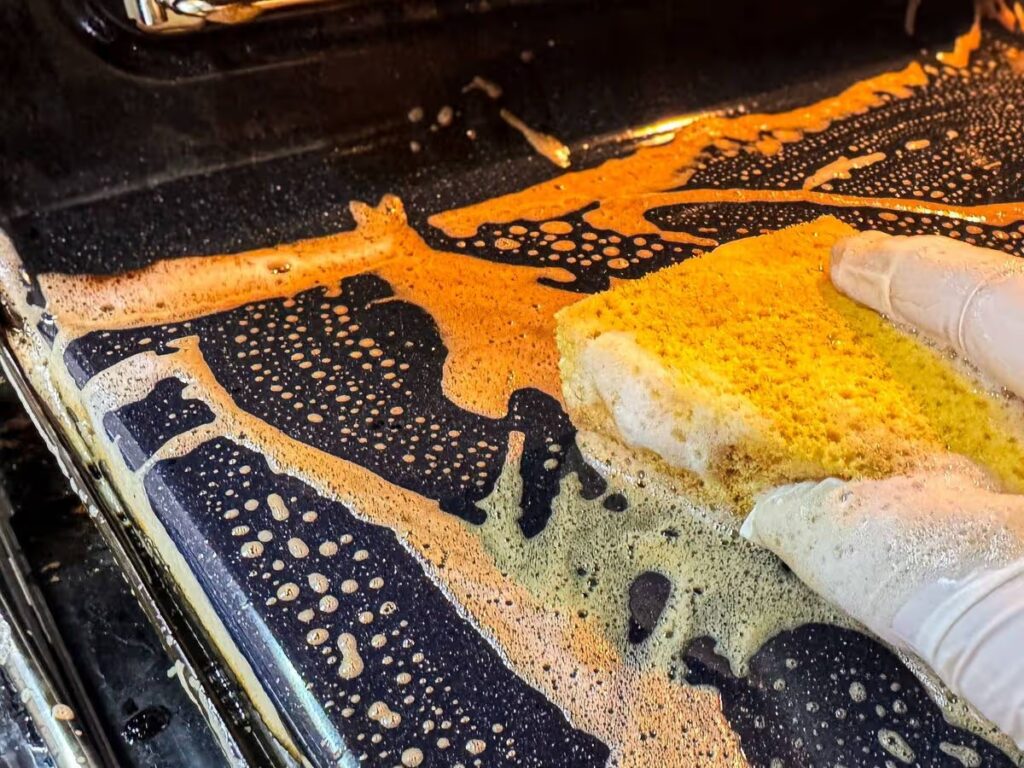
This DIY mixture is powerful because it combines three different cleaning mechanisms into one formula.
Ingredients and Their Roles
- Dish soap breaks down grease
- Hydrogen peroxide lifts stains through oxidation
- Baking soda provides gentle abrasion and removes odors
Application Method
- Mix into a thick paste
- Apply generously to the stained area
- Use a soft brush to work it into the fibers
- Leave for one to two hours
Why It Works So Well
Each ingredient targets a different part of the stain. Together, they create a multi-layered cleaning effect that handles complex stains more effectively than single solutions.
4. Fabric-Specific Care
Protecting Your Clothes While Cleaning
Different fabrics react differently to cleaning methods. Understanding this prevents accidental damage.
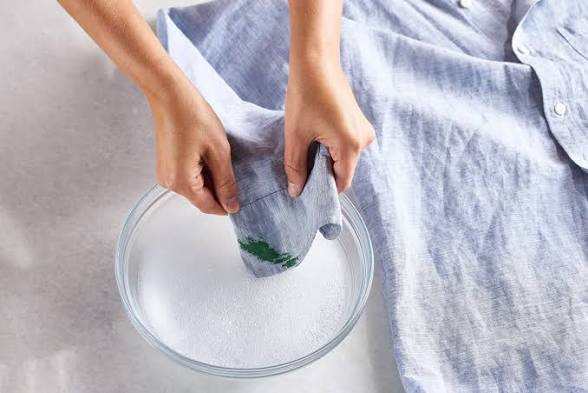
Cotton and Polyester
These are strong and flexible fabrics.
- Can handle scrubbing
- Respond well to most cleaning agents
- Suitable for repeated treatment
Silk and Wool
These are delicate and protein-based fabrics.
- Avoid enzymes completely
- Use mild detergents only
- Handle gently without scrubbing
Using the wrong treatment here can permanently damage the fabric structure.
Synthetic Fabrics
Examples include nylon and spandex.
- Sensitive to heat
- Can melt or warp under high temperatures
Always air dry or use low heat settings.
5. The Science Behind Sun Bleaching
Sunlight is one of the most underrated stain removal tools.
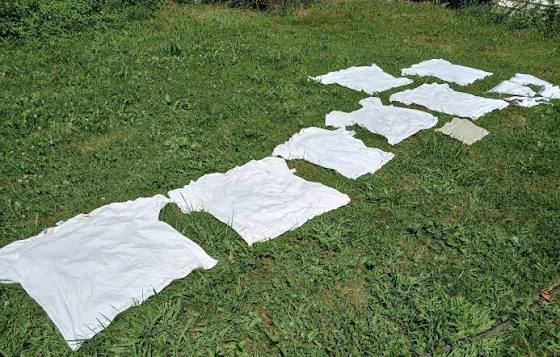
How It Works
Ultraviolet rays break down stain molecules naturally. This process is slow but very effective for light stains.
Best Practice
- Wash the garment first
- Hang it while slightly damp
- Place it under direct sunlight
Why It Is Effective
The combination of moisture and UV light creates a natural bleaching effect that is gentle on fabric but tough on stains.
6. Handling Set-In Stains
When It Is Already Too Late
Not all stains are fresh. Some have already dried and bonded with fabric.
Recovery Strategy
- Rehydrate the stain with cold water
- Apply the appropriate treatment based on stain type
- Allow longer soaking periods
Important Insight
Set-in stains require patience. Quick fixes rarely work. Repeating the treatment process may be necessary.
7. Advanced Tips That Make a Real Difference
- Always check the stain before drying. Heat can make it permanent
- Use white cloths when blotting to avoid color transfer
- Avoid mixing chemicals unless you understand the reaction
- Store a small stain kit for emergencies
Stain Removal Quick Reference Table
| Stain Type | Best Treatment | Key Technique |
|---|---|---|
| Blood | Cold water and salt | Rinse from the back |
| Grease | Dish soap | Apply on dry fabric |
| Ink | Alcohol | Dab gently with cotton |
| Red Wine | Salt and hot water | Flush through fabric |
| Coffee | Vinegar solution | Blot repeatedly |
Final Thoughts
Removing stains is not about luck. It is about understanding how stains interact with fabric and using the right method at the right time.
Once you master:
- Immediate response techniques
- Stain identification
- Proper treatment methods
You will rarely lose a garment again.
Read More On:
- How to Set Up a Productive Home Office on a Budget
- Things to Know Before Installing Solar
- 7 Emergency Repairs Everyone Should Know How to Do