


For more than a decade, the global technology industry has treated wearable health devices like trophies in a never ending hardware competition. Every major company wanted to build the smartest watch, the most advanced heart sensor, the sleekest fitness tracker, or the most luxurious ecosystem. Consumers were trained to believe that better health technology meant buying another device.
That philosophy is now changing dramatically.
The modern wellness economy is entering a new era where intelligence matters more than hardware. Consumers are no longer impressed simply by step counts, calorie estimates, or sleep charts. They want meaning behind the numbers. They want technology that explains why they feel tired after eight hours of sleep, why their energy drops after certain meals, or why stress levels rise before a migraine. Raw data alone is no longer enough.
This is where Google’s latest strategic pivot becomes one of the most important digital marketing stories in the health technology sector.
Get TikTok SEO Cheat here
Rather than continuing the exhausting battle for smartwatch dominance, Google is repositioning itself as the central intelligence layer of the global wellness ecosystem. Reports from industry observers, including Egypt Independent, suggest that the company is actively moving away from the traditional “winner takes all” hardware mentality. Instead of forcing users into a closed ecosystem, Google is embracing interoperability, collaboration, and AI powered wellness intelligence.
This shift represents far more than a product update.
It is a complete transformation in how health technology companies intend to compete for consumer trust, engagement, and long term loyalty.
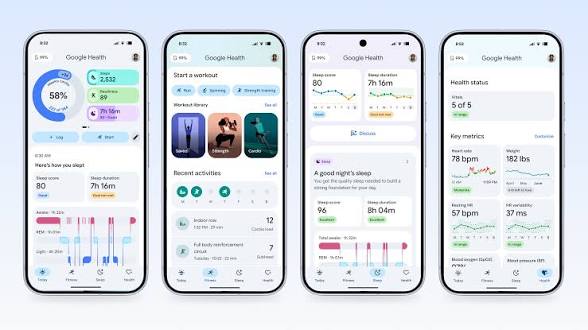
At the center of this strategy is the newly evolved Google Health ecosystem and its conversational wellness engine powered by Gemini. The company’s vision is becoming increasingly clear. Google no longer wants to win by selling the most watches. It wants to become the universal intelligence platform that interprets health data from every device consumers already use.
That means an individual wearing an Apple Watch, a Garmin tracker, or an Oura Ring could still rely on Google’s AI systems for deeper wellness analysis and actionable lifestyle guidance.
From a digital marketing perspective, this strategic redirection is enormous.
The wellness industry is rapidly evolving from device centered branding into intelligence centered personalization. Companies are beginning to understand that consumers do not merely want gadgets. They want predictive insights, emotional reassurance, personalized recommendations, and frictionless health experiences that adapt to their lives in real time.
Google’s latest health initiative reflects this exact transformation.
Instead of competing for wrists, the company is competing for behavioral trust.
That distinction changes everything.
The implications extend far beyond wearable technology. Pharmaceutical brands, fitness platforms, nutrition companies, healthcare startups, insurance providers, and wellness marketers are all watching this transition carefully because it signals the arrival of a new digital economy where AI driven personalization becomes the most valuable asset in health engagement.
Consumers are also becoming increasingly aware of another reality.
Health data is one of the most intimate forms of personal information in existence. Sleep quality, heart rhythms, emotional stress patterns, glucose fluctuations, menstrual cycles, recovery metrics, and medical history create a digital portrait of a person’s entire lifestyle. Any company attempting to centralize this information must now compete not only on innovation, but also on transparency and trust.
Google appears to understand this challenge.
By opening its ecosystem to rivals rather than isolating users inside a closed environment, the company is attempting to position itself as the neutral intelligence layer of modern healthcare technology. This collaborative approach could fundamentally reshape how digital health platforms market themselves in the coming years.
For marketers, this signals the rise of a completely new content economy.
Health communication is no longer moving toward generic fitness advice. It is moving toward AI curated wellness journeys tailored to each individual user. The companies that thrive in this new landscape will be those capable of combining personalization, credibility, scientific accuracy, and emotional trust into one seamless ecosystem.
Google’s latest strategy is not simply about health technology.
It is about controlling the future language of wellness itself.
The Strategic Shift From Hardware Competition to AI Intelligence
For years, technology companies measured success through physical innovation. Every launch event focused on thinner watch frames, brighter screens, stronger sensors, or longer battery life. The wearable market became saturated with nearly identical promises.
Consumers eventually reached a point of fatigue.
Owning multiple fitness devices no longer felt revolutionary because most trackers delivered similar information. Step counts became repetitive. Sleep scores became predictable. Notifications became overwhelming.
The real problem was interpretation.
Millions of users were collecting health data every second without understanding how to meaningfully apply it to their daily lives.
Google recognized this gap.
Rather than continuing to fight for dominance through hardware manufacturing alone, the company has shifted its focus toward becoming the intelligence engine behind wellness decision making.
This is a major business transformation.
The future battlefield is no longer the smartwatch.
It is the AI layer interpreting the smartwatch data.
This strategy dramatically expands Google’s reach because it allows the company to participate in consumer wellness journeys regardless of which device users purchase.
Traditional Wearable Strategy vs Google’s New AI Health Direction
| Traditional Hardware Strategy | Google’s Emerging AI Strategy |
|---|---|
| Compete for device sales | Compete for intelligence dominance |
| Build closed ecosystems | Encourage ecosystem collaboration |
| Focus on sensors and displays | Focus on AI interpretation |
| Prioritize hardware loyalty | Prioritize behavioral engagement |
| Device centered marketing | User centered personalization |
| One brand ecosystem | Multi platform compatibility |
This transition represents a broader movement within the digital economy.
Consumers increasingly value experiences over ownership.
People no longer care only about which device tracks their sleep. They care about which platform genuinely helps them improve their lives.
That distinction gives AI powered health platforms enormous long term potential.
The Gemini AI Health Coach and the Rise of Conversational Wellness
The centerpiece of Google’s evolving strategy is the conversational wellness assistant powered by Gemini.
Unlike traditional fitness applications that merely display charts and statistics, Gemini introduces a more humanized approach to wellness interaction.
The platform aims to function like a personalized team of specialists operating continuously in the background of a user’s daily life.
This includes support resembling:
- A nutrition advisor
- A sleep analyst
- A fitness coach
- A stress management assistant
- A behavioral wellness consultant
What makes this system significant is not merely its conversational ability.
The real value lies in contextual interpretation.
Instead of simply reporting that a user slept poorly, the AI attempts to explain why.
Instead of stating that heart rate variability declined, the system analyzes possible behavioral contributors such as stress, alcohol consumption, dietary patterns, hydration, or inconsistent recovery habits.
This transforms health tracking from passive monitoring into active wellness storytelling.
That shift is highly important in digital marketing.
Modern consumers engage more deeply with narratives than statistics. AI generated wellness explanations create emotionally resonant experiences that keep users engaged for longer periods.
The marketing implications are enormous because platforms capable of delivering deeply personalized experiences naturally create stronger retention, higher trust levels, and more valuable first party behavioral data.
Medical Record Integration and the Expansion of AI Personalization
One of the most ambitious developments within Google’s strategy involves clinical medical record integration.
The ability to connect actual healthcare records directly into the wellness ecosystem dramatically changes the scope of AI health guidance.
This creates a bridge between consumer wellness technology and formal healthcare systems.
Rather than offering generalized advice, the AI can theoretically provide contextual guidance based on a user’s actual medical history.
For example:
| Health Condition | Potential AI Wellness Guidance |
|---|---|
| Hypertension | Personalized sodium reduction suggestions |
| Elevated cholesterol | Meal recommendations focused on heart health |
| Sleep disorders | Recovery optimization guidance |
| Insulin resistance | Glucose aware nutritional insights |
| Chronic stress | Behavioral wellness interventions |
This evolution positions AI not merely as a fitness companion, but as an ongoing lifestyle intelligence platform.
However, it also introduces serious privacy concerns.
Consumers are increasingly cautious about who controls their medical information, how data is analyzed, and whether sensitive health insights could eventually influence insurance pricing, advertising systems, or employer evaluations.
Trust therefore becomes the central marketing currency of AI healthcare.
Companies capable of demonstrating transparency, ethical safeguards, and data control mechanisms will likely dominate the next generation of digital wellness engagement.
Why Google Is “Playing Nice” With Rivals
One of the most surprising aspects of Google’s new direction is its willingness to cooperate with longtime competitors.
Historically, technology companies thrived by trapping users inside proprietary ecosystems. Switching devices often meant losing access to apps, data continuity, or premium features.
Google appears to be abandoning that model in the health sector.
Through technologies like Health Connect and HealthKit, the company is building bridges across platforms.
This means consumers may eventually use Google’s AI analysis while continuing to wear competing devices.
From a strategic standpoint, this approach offers several advantages.
Benefits of Google’s Collaborative Health Strategy
| Strategic Advantage | Impact |
|---|---|
| Access to larger datasets | Stronger machine learning accuracy |
| Reduced ecosystem friction | Easier consumer adoption |
| Higher trust perception | More transparent brand image |
| Expanded user base | Greater engagement opportunities |
| Cross platform compatibility | Broader market influence |
This strategy also reflects an important shift in consumer psychology.
People increasingly dislike being locked into closed ecosystems.
Brands that prioritize openness now appear more trustworthy and consumer friendly.
In digital marketing terms, openness itself has become a branding advantage.
The Fitbit Air and the Rise of Minimalist Wearables
Alongside its AI ecosystem expansion, Google is reportedly preparing a minimalist wearable concept known as the Fitbit Air.
The philosophy behind this product is remarkably different from traditional smartwatches.
Instead of maximizing screen interaction, the Fitbit Air focuses on passive wellness monitoring with minimal distraction.
This reflects growing consumer exhaustion with constant notifications and screen dependency.
Many users want wellness benefits without feeling digitally overwhelmed.
The Fitbit Air addresses this by emphasizing:
- Continuous biometric collection
- Ultra lightweight comfort
- Minimalist wearable design
- Extended battery efficiency
- Reduced digital distraction
The removal of a display significantly extends battery life, allowing uninterrupted data collection for longer periods.
This uninterrupted stream of biometric information becomes highly valuable for AI analysis systems because consistent data improves pattern recognition and predictive modeling.
The marketing narrative here is equally important.
Consumers are beginning to associate “less technology” with healthier lifestyles.
Ironically, the future of wearable health technology may involve devices that become increasingly invisible.
Addressing AI Hallucinations and Medical Skepticism
Despite the excitement surrounding AI wellness platforms, skepticism remains widespread within the healthcare community.
Institutions such as Mayo Clinic have expressed concerns about hallucinations in large language models.
AI systems can occasionally generate inaccurate interpretations, misleading recommendations, or overconfident responses that may create serious health risks if misunderstood.
Google appears aware of these concerns.
Rather than marketing Gemini as a replacement for physicians, the company is positioning the technology as a collaborative wellness assistant.
This “co pilot” positioning is strategically important because it lowers legal risk while reinforcing consumer trust.
The platform emphasizes:
| AI Limitation Concern | Google’s Positioning Response |
|---|---|
| Potential misinformation | Wellness guidance only |
| Diagnostic uncertainty | Encourages professional consultation |
| AI hallucination risks | Human oversight emphasized |
| Medical liability concerns | Non diagnostic positioning |
This transparency may become a major competitive advantage.
Consumers are becoming increasingly skeptical of exaggerated AI marketing claims.
Brands that communicate responsibly are more likely to retain long term credibility.
The Digital Marketing Revolution Behind AI Health
Perhaps the most significant aspect of Google’s pivot is what it reveals about the future of digital marketing itself.
The health and wellness sector is entering what many analysts describe as the Agentic Era.
In this new environment, AI systems do not merely recommend products.
They actively guide user behavior.
This transforms marketing from interruption based advertising into continuous personalized engagement.
Instead of generic campaigns promoting “healthy living,” future wellness marketing may involve AI generated recommendations tailored specifically to individual recovery patterns, nutritional habits, emotional stress levels, and biometric responses.
This creates unprecedented personalization opportunities.
How AI Health Will Transform Digital Marketing
| Traditional Health Marketing | AI Driven Health Marketing |
|---|---|
| Broad audience campaigns | Hyper personalized guidance |
| Generic wellness tips | Context aware recommendations |
| Scheduled advertisements | Real time behavioral engagement |
| One size fits all messaging | Predictive lifestyle coaching |
| Demographic targeting | Biometric targeting |
This evolution also changes how brands build trust.
Consumers increasingly expect wellness companies to provide meaningful value before attempting to sell products.
AI powered ecosystems capable of delivering daily guidance naturally create stronger emotional relationships with users.
That emotional engagement becomes the foundation for future commerce.
Why Trust and Transparency Are Becoming the New Competitive Advantage
As AI health ecosystems become more sophisticated, transparency will likely determine which companies dominate the market.
Consumers are willing to share health data only when they believe companies will handle that information responsibly.
This creates a new hierarchy in digital branding.
The most successful companies may not necessarily be those with the best technology.
They may be the brands perceived as the safest custodians of personal wellness data.
Google’s collaborative strategy appears designed to support this perception.
By embracing interoperability rather than exclusivity, the company is attempting to position itself as a neutral wellness intelligence partner rather than a controlling gatekeeper.
That distinction could significantly influence public trust over time.
Google AI Health Ecosystem Features Overview
| Feature | Description | Market Significance |
|---|---|---|
| Gemini Health Coach | Conversational AI wellness assistant | Personalized health engagement |
| Cross Platform Sync | Compatibility with rival devices | Reduced ecosystem barriers |
| Medical Record Integration | Clinical health data support | Context aware wellness guidance |
| Fitbit Air | Minimalist screenless wearable | Continuous passive tracking |
| AI Powered Insights | Behavioral pattern analysis | Predictive wellness marketingl |
Final Thoughts
Google’s evolving health strategy represents one of the most important shifts currently unfolding within the digital marketing and wellness technology industries.
The company is no longer attempting to win through hardware exclusivity alone.
Instead, it is pursuing something far more influential.
It wants to become the intelligence layer that interprets the world’s health data.
This transition fundamentally changes the competitive landscape.
The future leaders of digital wellness may not be the companies with the flashiest devices or the largest app stores. The real winners could be the organizations capable of combining AI personalization, medical credibility, cross platform accessibility, and consumer trust into one seamless ecosystem.
For marketers, healthcare innovators, and wellness brands, the message is becoming increasingly clear.
The next era of health technology will not be defined by who owns the device.
It will be defined by who owns the relationship with the consumer’s daily decisions.
And in that race, Google has just made a very strategic move.
Read More On: