


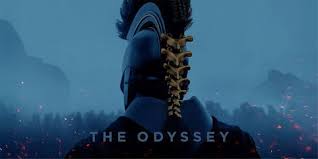
Myth, Madness, and the Endless Journey Home
For nearly three thousand years, The Odyssey has stood as one of the most enduring stories ever told. It is not just a tale of adventure across dangerous seas. It is a meditation on identity, endurance, love, and what it truly means to return home after being broken by life.
Now, in the mid 2020s, cinema has finally matured enough to handle this legendary narrative with the depth it deserves. Two powerful interpretations have emerged, each offering a completely different lens through which to experience the journey of Odysseus.
On one hand, there is the stripped down psychological realism of The Return. On the other, the overwhelming cinematic spectacle of The Odyssey by Christopher Nolan.
These are not just films. They are two philosophies. Two ways of understanding pain, survival, and homecoming.
Get TikTok SEO Cheat here
“The Return” (2024)
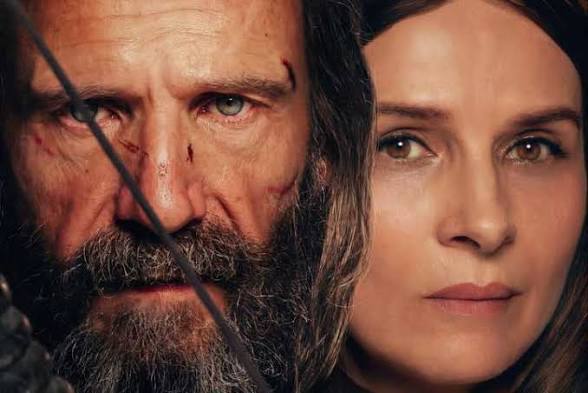
A Deep Psychological Exploration of a Broken King
Directed by Uberto Pasolini, The Return takes an intentionally restrained and human approach. It avoids spectacle and instead pulls the audience into the internal world of a man who has survived too much.
A Story Focused on the Final Chapter of a Long Nightmare
Unlike traditional adaptations that follow Odysseus across his many adventures, this film begins at the end of the journey.
Ralph Fiennes portrays Odysseus not as a triumphant hero, but as a man who has been hollowed out by years of violence and loss. When he washes ashore in Ithaca, there is no sense of victory. There is only exhaustion.
His kingdom is no longer truly his. His home has become a battleground of manipulation and decay.
- His wife Juliette Binoche as Penelope is trapped in a silent war of endurance
- His son Charlie Plummer as Telemachus lives under constant threat
- The palace is filled with opportunistic suitors who feed off the absence of authority
This is not a story about returning home. It is about discovering that home no longer exists in the way you remember it.
Ralph Fiennes as Odysseus
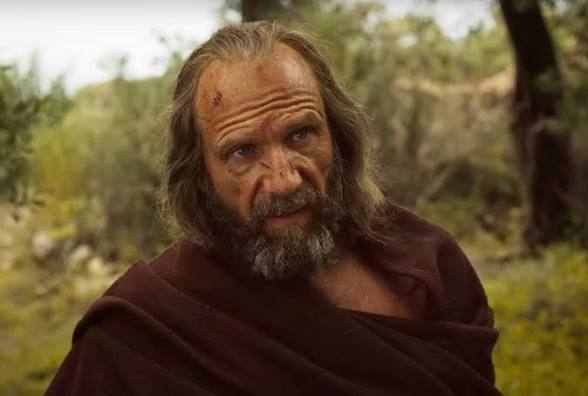
A Study in Trauma and Silence
Fiennes delivers a performance that is physically and emotionally intense.
Every movement feels deliberate. Every glance carries weight. His body tells the story even when he says nothing.
- His posture reflects a man constantly on guard
- His eyes suggest someone who has seen too much to ever feel safe again
- His silence is louder than dialogue
This version of Odysseus is deeply affected by what modern psychology would describe as post traumatic stress.
He is not returning as a conqueror. He is returning as a survivor trying to reconnect with a life he no longer understands.
Juliette Binoche as Penelope
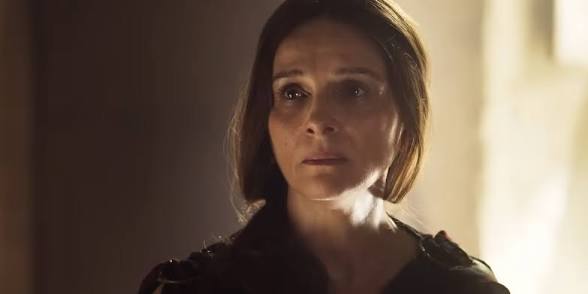
Intelligence as a Weapon
Binoche’s Penelope is not passive. She is strategic, patient, and emotionally resilient.
Her famous act of weaving and unraveling is not just symbolic. It is psychological warfare.
- She manipulates time itself to delay the suitors
- She uses perception to maintain control without force
- She survives through intellect rather than physical strength
Her performance transforms Penelope into one of the most powerful figures in the story.
Why This Film Matters
This adaptation removes gods, monsters, and fantasy elements. What remains is something far more unsettling.
It asks difficult questions:
- What does war do to a person over time
- Can a man who has lived through constant violence ever truly return to peace
- Is revenge justice, or just another extension of trauma
Verdict: This is a slow, intense, emotionally demanding film. It rewards patience and reflection. For viewers who value depth over spectacle, it is unforgettable.
Christopher Nolan’s “The Odyssey” (2026)
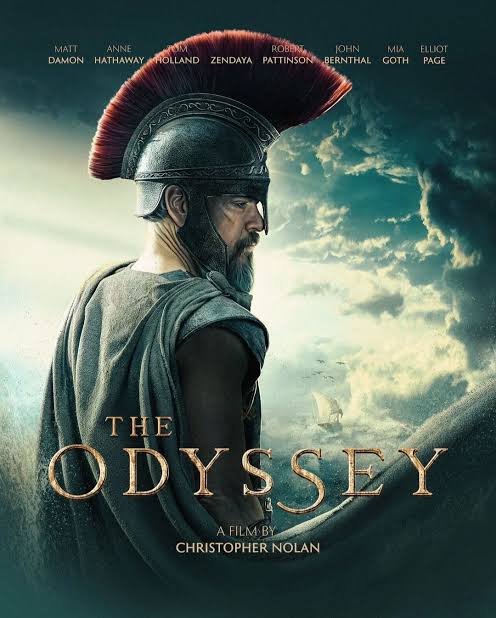
A Monumental Cinematic Experience
If The Return is intimate and introspective, then Nolan’s version is vast and overwhelming.
Directed by Christopher Nolan, this adaptation embraces the full scale of the myth and transforms it into a visual and sensory experience.
IMAX Storytelling at Its Peak
Filmed entirely in IMAX 70mm, this film is designed to be experienced rather than simply watched.
The scale is immense.
- Oceans feel endless and threatening
- Storms feel physically present
- Landscapes stretch beyond the frame
Nolan’s commitment to practical effects adds a level of realism that digital imagery often lacks.
The Mythological World Brought to Life
Instead of avoiding the supernatural, Nolan leans into it while grounding it in physical reality.
- The Cyclops is not a fantasy creature but a massive, terrifying presence built through engineering and practical design
- The storms of Poseidon feel like natural disasters rather than magical events
- The journey itself feels dangerous in a tangible, visceral way
Time as a Storytelling Device
True to Nolan’s style, the film does not follow a simple linear path.
It interweaves multiple timelines:
- Odysseus struggling to survive at sea
- Telemachus searching for his father
- Penelope holding the kingdom together
This layered structure creates tension and emotional depth.
The Cast
A Powerful Ensemble
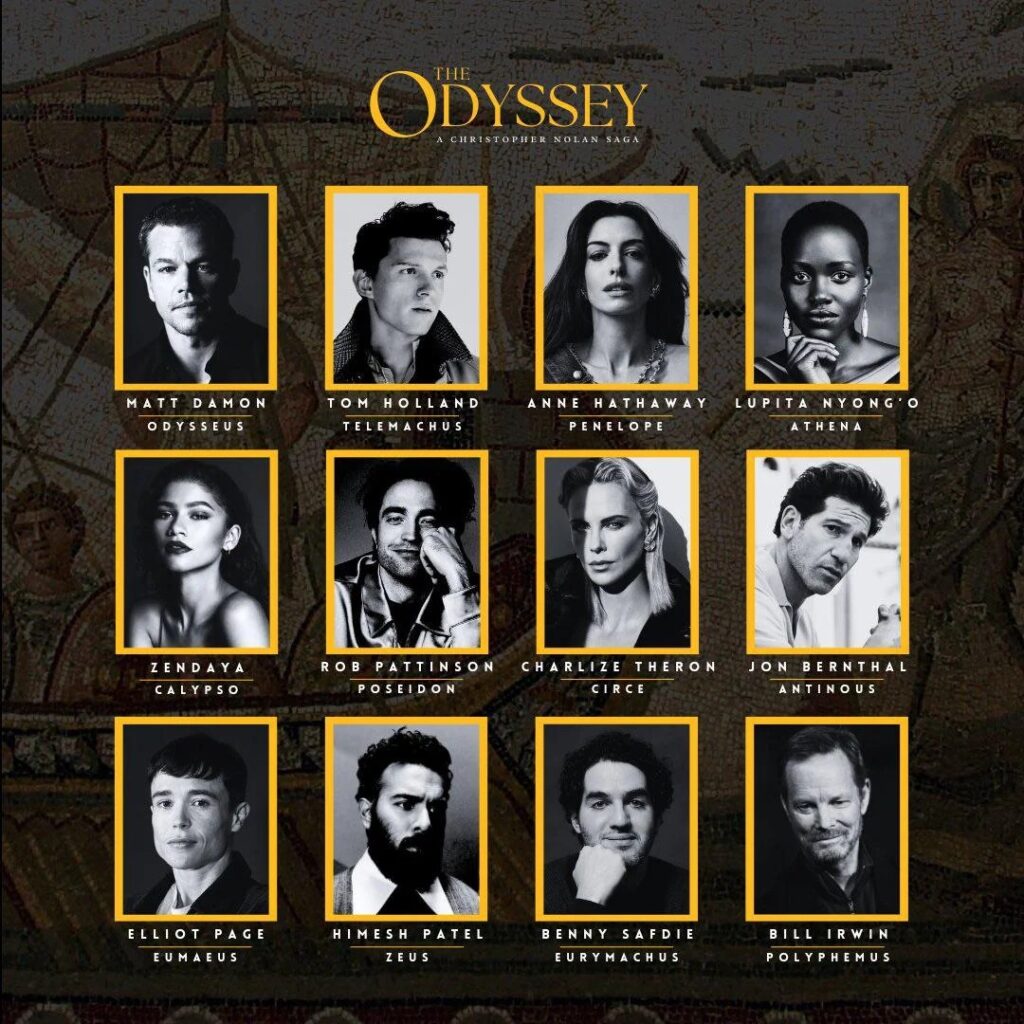
- Matt Damon as Odysseus brings a grounded, survival driven intensity
- Anne Hathaway as Penelope embodies quiet strength and resilience
- Zendaya as Athena reimagines the goddess as an ever present guiding force
- Tom Holland as Telemachus captures the struggle of living in the shadow of legend
Each performance contributes to a story that feels both epic and deeply personal.
Why This Film Stands Out
Nolan’s version is about scale, immersion, and intensity.
It explores:
- The overwhelming force of nature
- The passage of time
- The endurance required to survive against impossible odds
Verdict: This is a cinematic event. It is best experienced on the biggest screen possible. It is not just a film. It is an experience.
Core Themes
Why The Odyssey Still Resonates Today
A. The Meaning of Home
Both films challenge the idea that home is a fixed place.
Home is shown as something fragile, something that changes over time.
Odysseus does not return to the same world he left. He must adapt, rebuild, and redefine what home means.
B. Fate Versus Control
In one version, there are no gods. In the other, the gods are ever present.
Yet both raise the same question:
How much control do we truly have over our lives?
Is Odysseus guided by destiny, or is he simply reacting to circumstances beyond his control?
C. The Evolution of Penelope
Modern storytelling has elevated Penelope into a central figure.
She is no longer just waiting.
She is:
- Strategizing
- Surviving
- Controlling the narrative within her limited power
Her strength is subtle but undeniable.
Which Version Should You Watch
| Feature | The Return | Nolan’s The Odyssey |
|---|---|---|
| Tone | Deeply personal and emotional | Grand and visually intense |
| Focus | Human psychology | Myth and spectacle |
| Experience | Quiet and reflective | Immersive and overwhelming |
| Ideal Audience | Lovers of drama and realism | Fans of epic cinema |
Final Thoughts
These two films prove that great stories can be told in completely different ways.
One invites you inward, forcing you to confront the emotional cost of survival.
The other pulls you outward, immersing you in a world of scale and wonder.
Both are valid. Both are powerful.
And together, they remind us why The Odyssey continues to endure.
Because at its core, it is not just about a journey across the sea.
It is about the journey back to yourself.
Read More On: