


The Necessity of Emergency DIY Skills
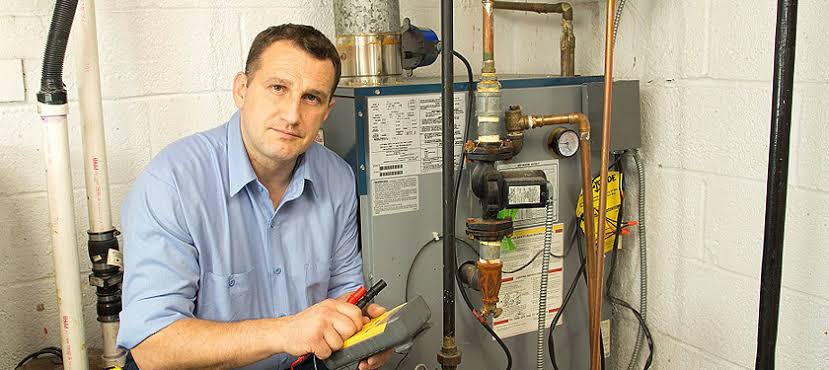
Every home, no matter how modern or well-built, is vulnerable to sudden failures. Pipes can rupture without warning, electrical systems can trip at the worst possible moment, and structural elements can weaken under pressure from weather or wear.
The real danger is not always the initial problem. It is the damage that follows when no action is taken quickly.
In many cases, the first ten minutes of a home emergency determine whether you spend a small amount fixing a problem or a large sum repairing widespread damage. Water can soak into floors and walls within minutes. Electrical faults can escalate into fire hazards. A small leak can quietly destroy ceilings and furniture before you even realize the scale of the issue.
Learning emergency repairs is not about replacing professionals. It is about stepping in during that critical window when immediate action matters most. It is about protecting your home, your finances, and your peace of mind.
Get TikTok SEO Cheat here
1. How to Shut Off the Main Water Valve
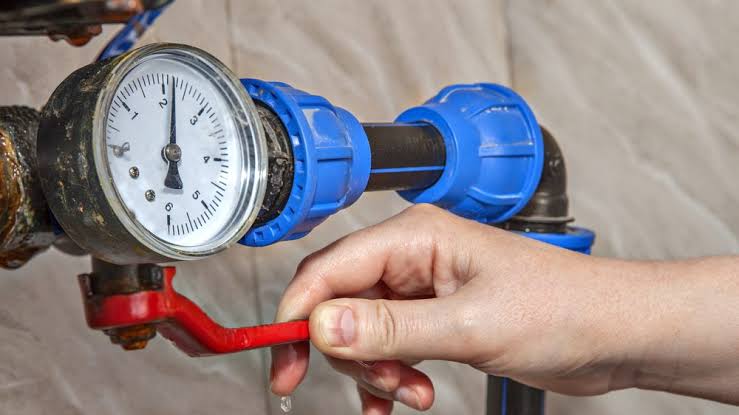
This is the single most important action in any plumbing emergency. Before attempting any repair, you must stop the flow of water completely.
Understanding the Importance
Water under pressure moves quickly and relentlessly. A single burst pipe can release dozens of liters per minute. Within a short time, this can lead to:
- Flooded floors
- Damaged furniture and electronics
- Structural weakening of walls and ceilings
- Mold growth that creates long-term health risks
Knowing how to shut off your water supply instantly transforms a crisis into a manageable situation.
Where to Find It
The main water valve is usually located in one of the following places:
- Near the water meter outside your home
- Inside a basement or utility room
- Along an exterior wall or near the kitchen
If you are renting, ask your landlord for its exact location before an emergency happens.
Step-by-Step Action
- Locate the valve immediately when a leak begins
- Turn the handle clockwise until it stops
- Open a nearby tap to release remaining pressure in the pipes
Pro Insight
Practice this before an emergency occurs. Familiarity saves time, and in emergencies, seconds matter.
2. Temporarily Patching a Burst Pipe
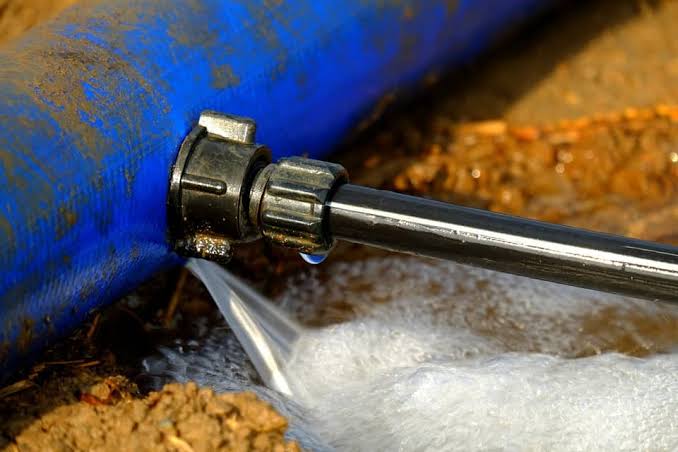
Once the water is shut off, your next goal is containment. You need to seal the damaged section enough to prevent further leakage when water is restored.
Why Temporary Repairs Matter
Waiting for a professional without sealing the pipe can lead to:
- Continued dripping that damages surrounding materials
- Inability to use water in your home
- Increased repair costs due to prolonged exposure
A temporary fix gives you breathing room.
Basic DIY Method
Use materials you likely already have:
- A piece of thick rubber such as a cut section of a hose
- Hose clamps or strong tape
Detailed Process
- Dry the pipe surface as much as possible
- Place the rubber patch directly over the crack or hole
- Wrap tightly using clamps or multiple layers of tape
- Ensure the seal is firm and does not shift
Advanced Emergency Option
Epoxy putty is a powerful solution:
- It can be molded directly onto the damaged area
- It hardens into a strong, durable seal
- It works even on slightly wet surfaces
Key Reminder
This is a temporary solution. Always arrange for a proper repair as soon as possible.
3. Unblocking a Toilet Without a Plunger
A clogged toilet can quickly turn into a messy and stressful situation, especially when water begins to rise dangerously close to the rim.
Read More On: 10 Best Free Team Collaboration Tools
Understanding the Situation
Most toilet blockages are caused by:
- Excessive paper use
- Non-flushable items
- Build-up within the pipes
The goal is to clear the blockage without causing overflow.
The Dish Soap Method
This is one of the simplest and most effective emergency techniques.
How It Works
Dish soap reduces friction and helps break down the blockage, allowing it to slide through the pipes.
Step-by-Step
- Pour a generous amount of liquid dish soap into the toilet
- Add hot water that is warm but not boiling
- Allow the mixture to sit for at least twenty minutes
- Flush gently and observe the result
Manual Intervention
If the blockage remains:
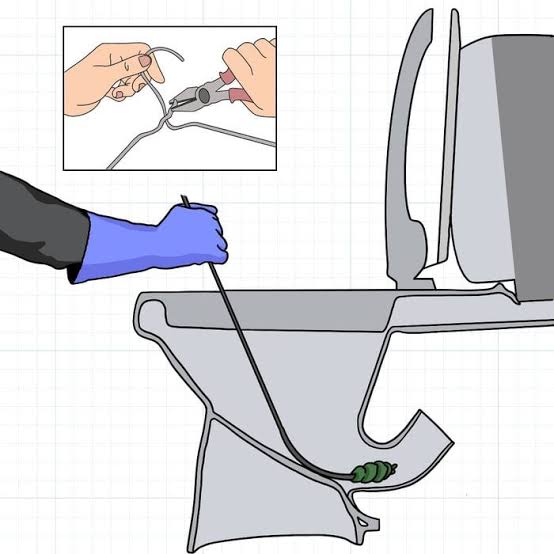
- Straighten a wire hanger
- Wrap the end with cloth to prevent scratching
- Gently probe the blockage to break it apart
Important Caution
Avoid excessive force. You do not want to damage the porcelain or push the blockage deeper.
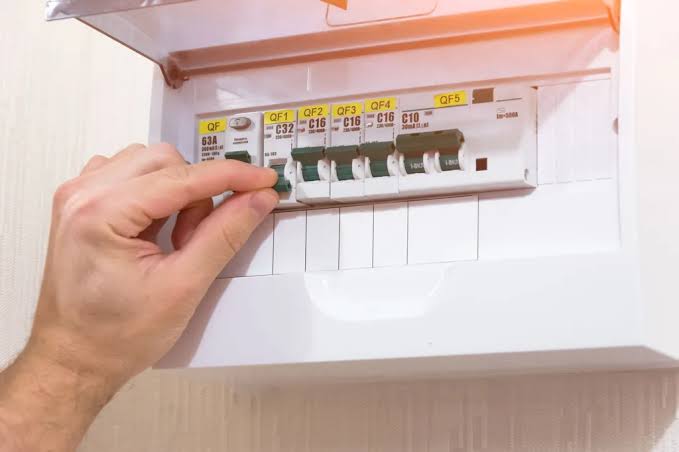
4. Resetting a Tripped Circuit Breaker Safely
Electrical issues can feel intimidating, but a tripped breaker is often a simple and safe fix when handled correctly.
Why Breakers Trip
Circuit breakers are designed to protect your home. They shut off power when:
- Too many devices overload a circuit
- A faulty appliance draws excessive current
- There is a short circuit
Safe Reset Procedure
- Locate your electrical panel
- Identify the switch that is not fully in the On position
- Flip it completely to Off
- Then switch it firmly back to On
Safety Tips
- Always stand slightly to the side
- Use one hand to avoid creating a path for electrical current
- Ensure your hands are dry
Troubleshooting
If the breaker trips again:
- Unplug recently used devices
- Reset the breaker once more
- If the issue persists, contact a professional
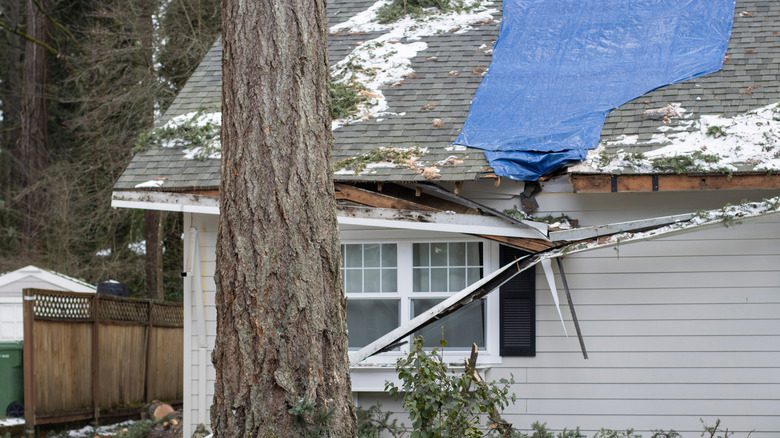
5. Managing an Emergency Roof Leak
Roof leaks are particularly dangerous because they often go unnoticed until significant damage has already occurred.
Immediate Risks
- Water damage to ceilings and insulation
- Electrical hazards if water reaches wiring
- Mold growth in hidden areas
Outdoor Temporary Fix
If conditions are safe:
- Place a strong tarp over the affected roof area
- Ensure it extends beyond the damaged section
- Secure it tightly with wooden boards
Indoor Damage Control
If water collects in your ceiling:
- Look for bulging or sagging areas
- Carefully puncture a small hole to release trapped water
- Use a container to collect the draining water
Why This Matters
Controlled drainage prevents sudden ceiling collapse, which can cause serious damage and injury.
Read More On: How to Book Affordable International Flights
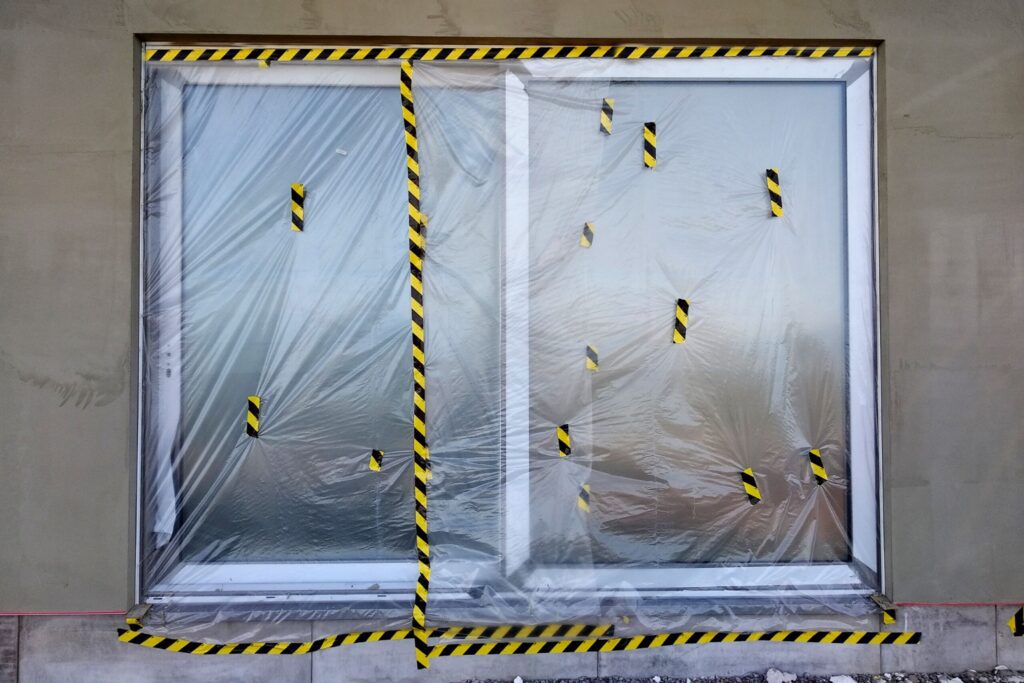
6. Securing a Broken Window Pane
A broken window exposes your home to weather, pests, and security risks.
Types of Damage
- Small cracks that can spread
- Fully shattered glass
Temporary Solutions
For Cracks
- Apply clear tape across both sides
- This stabilizes the glass and prevents further spreading
For Shattered Windows
- Carefully remove loose shards using protective gloves
- Cover the opening with strong plastic or a heavy bag
- Seal the edges securely with tape
Extra Tip
If possible, add a rigid backing such as cardboard for added strength.
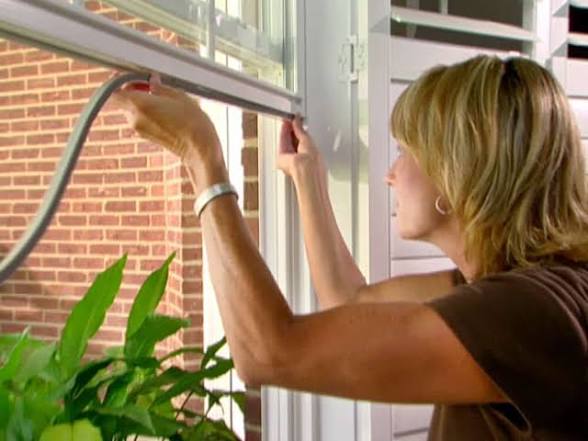
7. Sealing Emergency Drafts and Air Leaks
Air leaks may seem minor, but they can significantly affect comfort and energy costs.
Why It Matters
- Increased energy bills
- Reduced efficiency of heating or cooling systems
- Uncomfortable indoor temperatures
Quick Fix Methods
Door Draft Blocker
- Roll a thick towel
- Place it along the base of the door
Window Sealing
- Use plastic film or wrap
- Tape securely around the frame
Result
These simple fixes create a temporary barrier that stabilizes indoor conditions.
Emergency Repair Toolkit Essentials
Every home should have a ready-to-use emergency kit. This eliminates the need to search for tools during a crisis.
Must-Have Items
- Multi-purpose screwdriver
- Strong duct tape
- Epoxy putty for sealing leaks
- Hose clamps for pipe repairs
- Reliable flashlight with spare batteries
Why Preparation Matters
Having these tools within reach reduces response time and increases your ability to control damage effectively.
Final Thoughts
Emergency repairs are not about perfection. They are about immediate action and smart decisions under pressure.
When you understand how your home functions and know how to respond quickly, you gain a powerful advantage. You reduce damage, save money, and maintain control in situations that would otherwise feel overwhelming.
The true value of these skills is not just in fixing problems. It is in the confidence that comes from knowing you can handle them.
Read More On: 8 Best Food Delivery Apps in Major Cities