


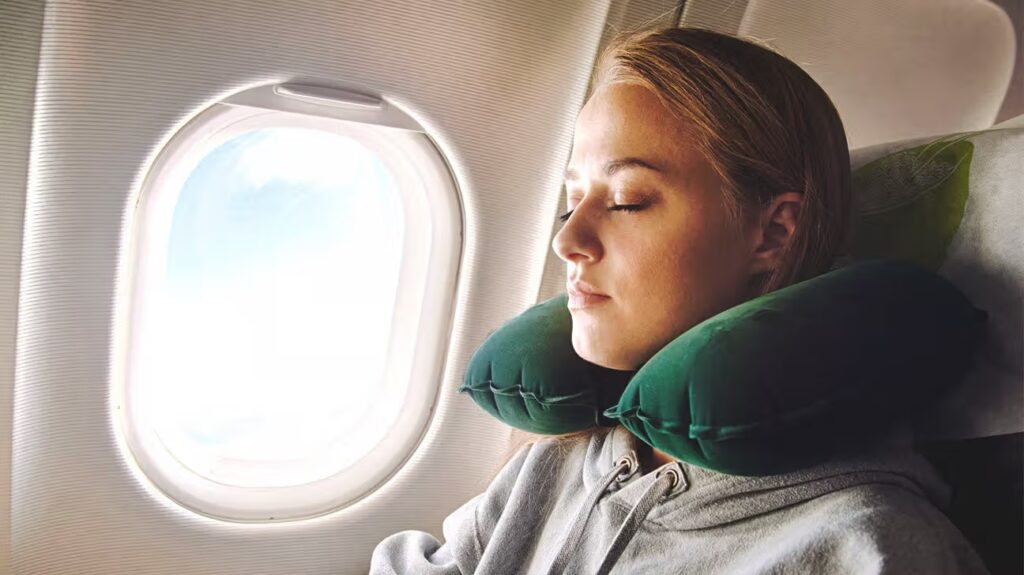
Long haul flights test more than your patience. They challenge your body’s natural rhythm, your comfort limits, and your ability to function upon arrival. Sitting upright for hours in a confined cabin, surrounded by noise, dry air, and constant movement, is the exact opposite of what the human body needs for restorative sleep.
Yet, mastering sleep during flights is not reserved for frequent flyers or luxury travelers. It is a skill. And like any skill, it can be learned, refined, and perfected with the right strategy.
Think of your long haul journey not as passive travel, but as a controlled environment where every decision you make affects your ability to rest. From the moment you book your seat to the second you close your eyes mid air, each step either moves you closer to deep rest or keeps you trapped in restless discomfort.
This guide is designed as a practical, step by step system. It goes beyond surface tips and dives into the small adjustments that create powerful results. By the time you finish reading, you will know exactly how to transform even an economy seat into a space where your body can relax, reset, and recover.
Get TikTok SEO Cheat here
1. Strategic seat selection
Building your sleep foundation
Your seat is your sleeping environment. Choosing the wrong one is like trying to sleep in a noisy hallway.
Why the window seat is essential
The window seat gives you control. You gain a surface to lean on, which stabilizes your head and neck. This reduces the constant micro movements that interrupt sleep cycles.
More importantly, you eliminate disturbances. No one will tap you to stand up. No repeated interruptions. That uninterrupted stretch is what allows your body to enter deeper stages of rest.
Avoiding high disturbance zones
Certain parts of the aircraft naturally attract noise and movement.
| Area of Plane | Why It Disrupts Sleep |
|---|---|
| Near lavatories | Constant door noise and foot traffic |
| Near galley | Bright lights and crew activity |
| Aisle seats | Frequent movement and accidental contact |
Choosing wisely here removes distractions before they even begin.
The stability advantage over the wing
The middle section of the aircraft experiences less motion. If turbulence unsettles you, this position helps your body remain relaxed, making it easier to drift off naturally.
2. Building a powerful sleep kit
Your personal comfort system
Sleeping well on a flight requires tools. Not many, but the right ones.
Neck support that actually works
Ordinary travel pillows fail because they only support one side. Your head still drops forward.
A wraparound pillow keeps your head aligned from every angle. This prevents sudden jerks that wake you up just as you begin to fall asleep.
Light control through proper eye masks
Light exposure tells your brain to stay awake. Even small cabin lights or screens can interrupt sleep signals.
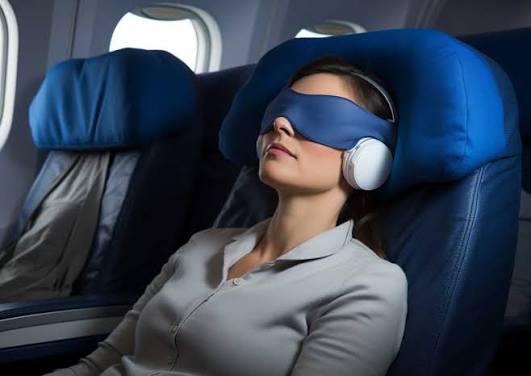
A contoured eye mask creates total darkness without pressing on your eyes. This allows natural eye movement during sleep, which improves sleep quality.
Managing noise effectively
Aircraft cabins are filled with continuous background sound. Even if you think you are used to it, your brain still processes it.
Reducing noise lowers stress levels and allows your body to relax faster.
| Option | Benefit |
|---|---|
| Noise canceling headphones | Reduce engine hum and cabin noise |
| Soft earplugs | Simple and effective for blocking sound |
| Ambient audio | Masks sudden noises with consistent sound |
3. Pre flight preparation
Setting your body up for success
Sleep begins long before you board the aircraft.
Hydration as a sleep enhancer
Dry cabin air leads to dehydration. This causes discomfort, headaches, and restlessness.
Drinking water consistently helps your body remain calm and balanced.
| Time | Action |
|---|---|
| Before boarding | Drink a full glass of water |
| During flight | Sip regularly every hour |
| Avoid | Excess alcohol and sugary drinks |
Managing caffeine intake
Caffeine stays in your system longer than most people realize. Even if you feel fine, it delays your ability to fall asleep.
Stopping caffeine early gives your body enough time to wind down naturally.
Using natural relaxation aids
Certain supplements help your body transition into rest mode.
| Aid | Function |
|---|---|
| Melatonin | Supports sleep timing adjustment |
| Magnesium | Relaxes muscles and reduces tension |
Used correctly, they enhance sleep rather than force it.
4. Dressing for comfort and temperature control
Your clothing directly affects how easily your body relaxes.
Layering for flexibility
Cabin temperatures fluctuate often. Being too cold or too warm prevents deep sleep.
Layering allows you to adjust without waking yourself fully.
The role of compression socks
Sitting still for long periods affects circulation. This can cause discomfort and restlessness.
Compression socks improve blood flow, helping your body feel lighter and more relaxed.
Foot warmth and sleep signals
Warm feet send a signal to your brain that it is time to sleep. Simple actions like wearing soft socks can make a noticeable difference.
5. Digital discipline
Controlling your mental state
Your mind needs to slow down before your body can follow.
Reducing screen exposure
Screens emit light that keeps your brain alert. Watching movies until the moment you try to sleep makes it harder to switch off.
Turning off devices ahead of time gives your mind space to unwind.
Switching to calming audio
Sound can guide your brain into relaxation.
| Audio Type | Effect |
|---|---|
| White noise | Masks background disturbances |
| Brown noise | Blends with aircraft sound |
| Guided meditation | Helps release tension |
This transition prepares your brain for rest instead of stimulation.
6. In flight sleep routine
Executing the plan
Once you are in the air, your goal is to create a consistent pattern.
Step by step sleep sequence
| Step | Action | Result |
|---|---|---|
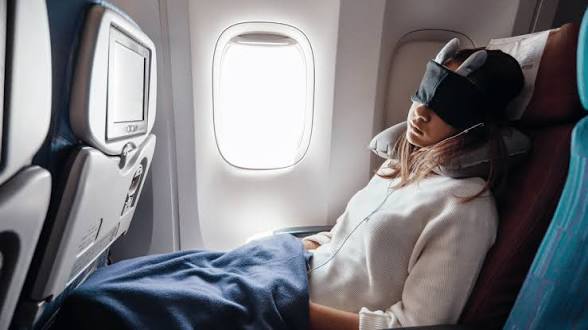
| Step 1 | Adjust seat and posture | Reduces strain |
| Step 2 | Put on eye mask | Blocks light |
| Step 3 | Activate noise control | Minimizes distractions |
| Step 4 | Support neck properly | Prevents waking |
| Step 5 | Relax breathing | Signals sleep readiness |
Following a routine trains your body to associate these actions with sleep.
7. Managing expectations
The key to real rest
One of the biggest mistakes is trying too hard to sleep.
When you force sleep, your brain becomes alert instead of relaxed. This creates frustration and makes sleep even more difficult.
Instead, aim for rest.
What to do if sleep does not come
Close your eyes and stay still. Focus on slow breathing. Even without sleeping, your body recovers energy in this state.
This reduces fatigue and improves how you feel when you land.
Mastering the long haul experience
Sleeping well on a long flight is not about luck. It is about preparation, awareness, and small intentional choices.
When you control your environment, support your body properly, and guide your mind into relaxation, you shift from enduring the flight to using it as a recovery period.
The difference is powerful. You step off the plane not drained, but ready. Not disoriented, but focused.
And that is what separates a stressful journey from a truly mastered travel experience.
Read More On: