
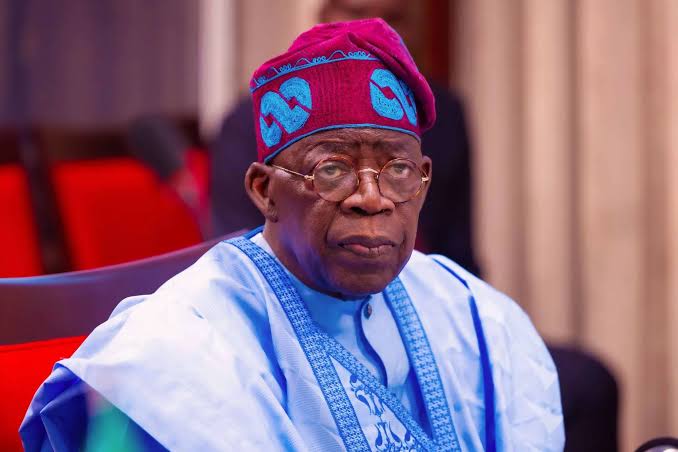
Nigeria’s public finance story has entered a defining phase, one that is commanding attention far beyond policy circles and into everyday conversations among citizens, business owners, and global observers. At the center of this unfolding narrative is a staggering figure that captures both the scale of ambition and the weight of obligation facing the nation. A total of ₦16.26 trillion committed to debt servicing under the administration of Bola Ahmed Tinubu has become more than just a statistic. It has evolved into a symbol of the difficult balancing act between governance, reform, and economic survival.
This figure does not exist in isolation. It reflects years of accumulated borrowing, structural weaknesses in revenue generation, currency instability, and the urgent need to fund a growing population’s demands. It also underscores a deeper question that continues to divide opinion across the country. Can Nigeria sustain a fiscal model where a significant portion of its income is used to settle past obligations while still investing enough in the future?
Within government circles, the argument leans toward optimism. Officials insist that ongoing reforms, especially in taxation and revenue collection, will gradually ease the burden and reposition the economy for resilience. Outside those circles, however, skepticism remains strong. Economists warn that the current trajectory could tighten fiscal space, limit development spending, and place increasing pressure on households already grappling with rising living costs.
This report takes a closer, more detailed look at the numbers, the policies behind them, and the real world implications for Africa’s largest economy. It goes beyond surface level analysis to unpack how Nigeria arrived at this point and what it could mean for the road ahead.
Get TikTok SEO Cheat here
The budget at the center of the debate
At the heart of the current fiscal conversation lies a record breaking national budget valued at ₦68.32 trillion. This spending plan is both ambitious and revealing, offering a clear window into the government’s priorities and constraints.
A critical component of this budget is the allocation of ₦15.81 trillion strictly for debt servicing. This means that a substantial share of government income is already committed before funds are even directed toward infrastructure, healthcare, education, or security.
To better understand the scale, consider the relationship between revenue and obligations:
| Fiscal Component | Estimated Value (₦) | Implication |
|---|---|---|
| Total Budget Size | 68.32 trillion | Reflects expansive government spending plan |
| Expected Revenue | 36.87 trillion | Indicates limited earning capacity relative to spending |
| Debt Servicing | 15.81 trillion | Consumes a significant share of income |
| Fiscal Deficit | 31.45 trillion | To be financed largely through borrowing |
What emerges from this table is a clear structural imbalance. The government earns far less than it spends, and the gap is filled primarily through borrowing. This creates a cycle where new debt is taken on to sustain existing obligations and maintain operations.
Currency depreciation and its hidden cost
One of the most powerful yet often misunderstood drivers of Nigeria’s rising debt burden is the depreciation of the national currency. While new borrowing contributes to the overall figure, a large portion of the increase comes from the revaluation of existing external debt.
Nigeria holds a significant share of its debt in foreign currencies, particularly the United States dollar. When the value of the naira weakens, the cost of repaying those dollar denominated loans rises sharply when converted into local currency.
This creates what analysts describe as a multiplier effect. Without borrowing a single additional dollar, the country’s debt stock in naira terms expands dramatically. It is a financial reality that complicates fiscal planning and inflates debt metrics.
For policymakers, this presents a difficult challenge. Stabilizing the currency requires strong foreign exchange inflows and investor confidence, yet both are influenced by broader economic conditions that take time to improve.
Securitization of central bank advances
Relief or long term burden
Another major contributor to the current debt profile is the conversion of short term central bank lending into long term obligations. The Central Bank of Nigeria had previously extended significant overdrafts to the government to cover fiscal shortfalls.
These advances, commonly referred to as ways and means, were later transformed into structured debt instruments. This process, known as securitization, spread repayment over a longer period and reduced immediate pressure on government finances.
However, this relief comes with a trade off. While short term strain was eased, the total volume of debt increased, and with it, the long term servicing commitment. This decision continues to influence annual budgets and remains a key factor in the rising debt service figure.
Infrastructure versus obligations
The growing tension
A central concern among economists is the impact of rising debt servicing on development spending. Governments rely on capital expenditure to build roads, improve power supply, expand rail networks, and strengthen public services.
Yet, when a large portion of revenue is tied up in debt payments, less funding remains available for these critical investments. This is known as the crowding out effect.
In practical terms, it means that even when funds are allocated for infrastructure, actual implementation may suffer if revenue targets are not met. Debt obligations take priority, leaving development projects vulnerable to delays or cuts.
The implications extend beyond government. Heavy domestic borrowing can push up interest rates, making it more expensive for businesses to access credit. This can slow down private sector growth, reduce job creation, and limit overall economic expansion.
The government’s strategy for sustainability
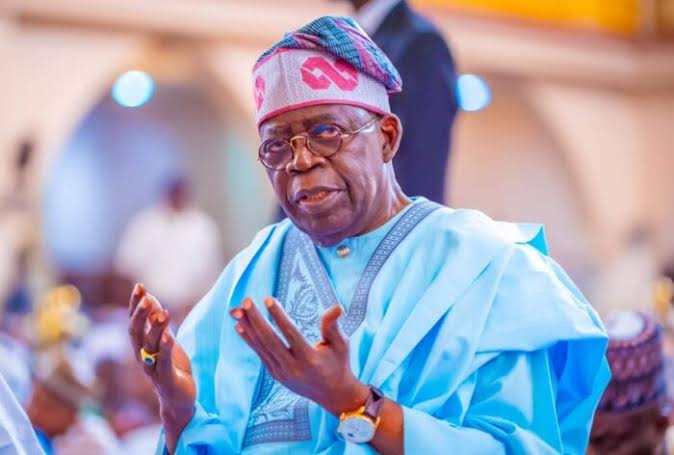
In response to these challenges, the administration has placed significant emphasis on boosting revenue rather than reducing spending alone. The focus has shifted toward improving tax collection efficiency and expanding the tax base.
The newly strengthened Nigeria Revenue Service is expected to play a central role in this effort. By leveraging technology, data analytics, and stricter enforcement, the government aims to significantly increase non oil revenue.
The goal is to redefine how debt sustainability is measured. Instead of focusing solely on the ratio of debt to gross domestic product, policymakers are emphasizing the ratio of debt to revenue. The argument is straightforward. A country with strong and consistent income can manage higher levels of debt more effectively.
However, achieving this requires sustained economic growth, improved compliance, and public trust in the system. Without these elements, revenue targets may fall short, leaving the underlying problem unresolved.
Nigeria’s debt profile snapshot
| Category | Estimated Value | Observation |
|---|---|---|
| Total Public Debt | ₦155 trillion | Reflects combined domestic and external obligations |
| Debt Servicing | ₦15.81 trillion | Major recurring expenditure |
| Domestic Borrowing | ₦29.20 trillion | Indicates reliance on local markets |
| External Debt Component | Significant share | Highly sensitive to exchange rate movements |
This snapshot highlights the scale and complexity of Nigeria’s fiscal position. It also reinforces the importance of coordinated policy actions to manage both borrowing and repayment effectively.
What this means for everyday Nigerians
Beyond the figures and policy debates, the effects of rising debt servicing are felt across the economy. When government finances are stretched, the ripple effects can influence inflation, public service delivery, and overall economic stability.
Higher borrowing can contribute to inflationary pressure, particularly when financed through domestic markets. This can lead to rising prices for goods and services, affecting household purchasing power.
At the same time, limited fiscal space may constrain government spending on social programs, infrastructure, and subsidies. This can impact everything from transportation costs to access to basic services.
For businesses, tighter financial conditions can reduce investment opportunities and slow expansion plans. This creates a challenging environment for growth and employment.
A defining moment for fiscal policy
The ₦16.26 trillion debt servicing figure stands as a powerful indicator of Nigeria’s current economic crossroads. It reflects both the cost of past decisions and the urgency of present reforms.
The path forward is neither simple nor guaranteed. It requires disciplined fiscal management, effective revenue generation, and a stable macroeconomic environment. It also demands transparency and accountability to maintain public confidence.
For now, the debate continues. Is Nigeria navigating a difficult but necessary phase of economic restructuring, or edging closer to a cycle that could constrain its future?
The answer will depend on how effectively policies are implemented and whether the balance between borrowing and earning can finally be restored.
Read More On: