


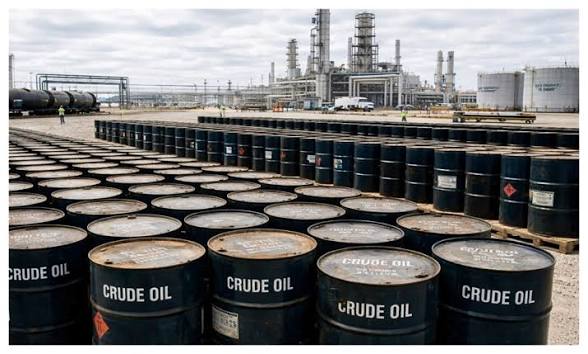
The global energy market has entered a new phase of volatility following a sharp rise in crude oil prices. Oil benchmarks surged dramatically after the United States signaled a naval blockade around the Strait of Hormuz, one of the most strategically important shipping routes in the world. This development has triggered widespread concern across financial markets, governments, and industries that depend heavily on stable energy supplies.
Crude oil prices jumped by more than seven percent in a single trading session, pushing both Brent crude and West Texas Intermediate above the psychologically significant one hundred dollar mark.
This sudden spike is not just a routine fluctuation. It reflects deep geopolitical tension and growing fears of a major disruption in global oil supply chains.
Understanding the Strait of Hormuz and Its Global Importance
To fully grasp why oil prices reacted so sharply, it is essential to understand the importance of the Strait of Hormuz.
Get TikTok SEO Cheat here
This narrow waterway sits between Iran and Oman and serves as a critical gateway for energy exports from the Middle East to the rest of the world. Around one fifth of global oil supply passes through this single route every day.
Because of this:
- Any disruption immediately affects global oil availability
- Shipping delays can create panic in commodity markets
- Energy importing nations face immediate supply risks
- Prices react almost instantly to perceived threats
The Strait is not just important. It is irreplaceable in the short term.
What Triggered the Sudden 7% Oil Price Surge
The recent surge in oil prices is directly tied to escalating tensions between the United States and Iran.
Key developments include:
- Breakdown of diplomatic talks between both nations
- Announcement of a naval blockade targeting shipping routes
- Threats of retaliation from Iranian forces
- Increased military presence in the region
Following these developments, traders quickly priced in the risk of supply disruption. Brent crude rose above one hundred dollars per barrel while U.S. crude climbed even higher.
Markets tend to react not only to actual disruptions but also to the fear of potential disruptions. In this case, both factors are present.
How the U.S. Navy Blockade Is Shaping Market Sentiment
The proposed naval blockade is a major escalation in geopolitical strategy. The plan involves restricting or controlling vessels moving through key parts of the Strait, particularly those linked to Iranian oil exports.
This has created several layers of uncertainty:
- Will shipping traffic be slowed or halted
- Could insurance costs for tankers skyrocket
- Will other nations intervene or escalate the situation
- How will Iran respond militarily
Analysts believe that even partial enforcement of the blockade could significantly reduce oil flows.
Even if the blockade is selective, the perception of risk is enough to push prices upward.
Read More On: FirstBank’s LIT App Boosts African Trade Integration via PAPSS
Why Oil Markets React So Aggressively to Geopolitical Tension
Oil is one of the most sensitive commodities in the global economy. Unlike many other goods, supply disruptions cannot be quickly replaced.
Here is why markets react so sharply:
- Oil production cannot be rapidly increased to offset shortages
- Shipping routes are limited and highly strategic
- Global demand remains consistently high
- Energy markets are deeply interconnected
Because of this, even rumors or threats can trigger significant price movements.
In the current situation, the combination of military action and diplomatic breakdown has created a perfect storm for price volatility.
The Economic Ripple Effects Across the World
The impact of rising oil prices extends far beyond energy markets. It affects nearly every sector of the global economy.
Key consequences include:
- Rising fuel costs for transportation and logistics
- Increased inflation in both developed and emerging economies
- Higher production costs for industries
- Pressure on currencies of oil importing nations
Stock markets have already begun reacting negatively in some regions, reflecting investor concerns about prolonged instability.
For developing economies, the effects can be even more severe due to reliance on imported fuel.
Implications for Nigeria and Other Oil Producing Nations
For oil producing countries such as Nigeria, the situation presents both opportunities and risks.
Potential benefits include:
- Higher government revenue from crude exports
- Improved foreign exchange inflows
- Increased investor interest in the energy sector
However, there are also risks:
- Domestic fuel price increases
- Inflationary pressure on consumers
- Economic instability if volatility persists
The net impact will depend on how long the crisis lasts and how global supply chains adjust.
The Role of Supply Disruption in Driving Prices Above 100 Dollars
Historically, oil prices tend to spike when supply routes are threatened.
The current crisis fits this pattern perfectly:
- The Strait handles millions of barrels daily
- Any disruption affects multiple major exporters
- Alternative routes are limited or expensive
- Strategic reserves may not fully offset losses
Past events have shown that even temporary disruptions can lead to sustained price increases.
In this case, analysts warn that prolonged tension could push prices even higher.
Read More On: JAMB Axes 23 CBT Centres Following Mock UTME Technical Glitches.
Possible Future Scenarios for Oil Prices
Looking ahead, several scenarios could shape the direction of oil prices:
- De escalation and reopening of shipping lanes could stabilize prices
- Continued military tension could push prices higher
- Full scale disruption could trigger a global energy crisis
- Diplomatic resolution could restore market confidence
At present, uncertainty remains the dominant factor.
Markets are watching closely for signals from both governments and military developments.
Investor and Market Reactions to the Crisis
Investors are already adjusting their strategies in response to the situation.
Key trends include:
- Increased investment in energy stocks
- Movement away from risk sensitive assets
- Rising demand for safe haven assets
- Volatility in global stock indices
Energy companies often benefit from higher oil prices, while industries dependent on fuel tend to suffer.
Why This Event Matters for the Global Economy
This situation is more than just an oil price story. It represents a major intersection of geopolitics and economics.
Key reasons it matters:
- It affects global inflation levels
- It influences monetary policy decisions
- It impacts trade balances
- It shapes investor confidence
In many ways, the Strait of Hormuz has become a pressure point for the global economy.
Conclusion
The recent surge in crude oil prices is a clear reminder of how interconnected the world economy has become. A single geopolitical event in one region can send shockwaves across global markets within hours.
With oil prices crossing the one hundred dollar threshold once again, attention is now firmly focused on how the situation in the Strait of Hormuz evolves.
Whether this becomes a short term spike or a prolonged energy crisis will depend on diplomatic outcomes, military actions, and the resilience of global supply chains.
For now, the world watches closely as one of the most critical energy routes faces one of its most serious tests in recent history.
Read More On: Taiwo Oyedele Acknowledges Tax Law Flaws; New Corrective Bill Underway.