

This week marks a major turning point for digital advertising as Google officially expands its AI driven advertising system to advertisers across the world. The company’s AI Max for Search suite, which had previously been limited to a small group of beta users, is now fully available to everyone.
At the heart of this rollout is a powerful new feature known as Natural Language Text Guidelines. This addition is designed to solve one of the biggest challenges advertisers have faced with automation, which is maintaining brand identity while benefiting from the speed and efficiency of artificial intelligence.
What we are seeing is not just a feature update. It is a complete shift in how search advertising works.
A Major Shift in Search Advertising
For a long time, AI Max existed quietly in the background, used mainly by top tier agencies and large advertisers. Now that it is available to all, it is quickly becoming the new standard for running search campaigns.
Get TikTok SEO Cheat here
Unlike traditional advertising models that depend heavily on manually selected keywords, AI Max operates differently.
It follows a keywordless first approach. Instead of relying on fixed keyword lists, the system uses advanced language models powered by Gemini to:
- Scan and understand your website content
- Interpret your business goals and messaging
- Match your ads to user searches based on intent rather than exact wording
This means your ads can appear for relevant searches you may never have thought to target.
Early results from the testing phase have been very impressive. Advertisers who used AI Max recorded:
- An average increase of about 27 percent in conversions
- Similar cost per acquisition when compared to traditional keyword targeting methods
This shows that the system is not just reaching more people, but doing so efficiently.
The Three Foundations of AI Max for Search
To understand why this update is so significant, it helps to break down the core features that power the system.
1. Search Term Matching Based on Intent
AI Max goes beyond simply reading what a user types into the search bar.
It focuses on understanding the meaning behind the search.
For example:
- A user might search for eco friendly running shoes for marathon training
- Your website might describe your product as sustainable high performance footwear
Even though the wording is different, AI Max connects both ideas instantly and serves your ad to the user.
This approach allows advertisers to capture more relevant traffic without constantly updating keyword lists.
2. Dynamic Final URL Selection
Another powerful feature is the ability to automatically choose the most relevant page on your website.
Instead of sending all traffic to a homepage, the system can:
- Direct users to a specific product page
- Send them to a blog post that answers their query
- Guide them to a category page that best matches their intent
This improves the user experience and increases the chances of conversion because visitors land exactly where they need to be.
Read More On:
- Wake Up Fresh Every Day with Biometric Alarms: The Smart Way to Beat Morning Grogginess
- ECOWAS Investment Drive Puts Nigeria Infrastructure Projects at the Center of $266.7M Plan
- Africa Technology Expo Targets Massive Deal Growth in Lagos.
- Nigeria Releases Oil and Gas Reserves Data with Fresh Insights
3. AI Generated Ad Copy
With AI Max, advertisers are no longer limited to writing a fixed set of headlines and descriptions.
The system can generate new ad copy in real time.
It does this by combining:
- Existing ad assets
- Content from your website
- Live search data
The result is a highly personalized ad that is tailored to each individual search.
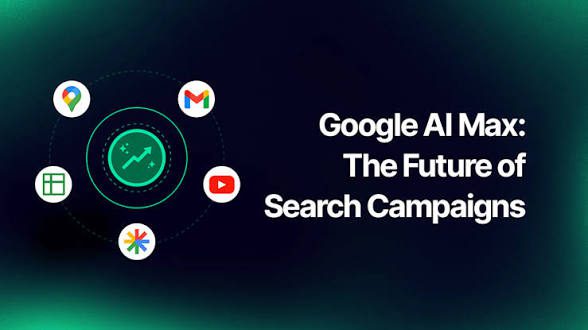
The Breakthrough Feature: Natural Language Text Guidelines
One of the biggest concerns with AI generated ads has always been control.
Advertisers often worry about the system producing content that does not align with their brand voice or industry regulations.
Natural Language Text Guidelines are designed to solve this problem.
Instead of relying only on technical settings, advertisers can now communicate directly with the AI using simple instructions.
How Messaging Restrictions Work
Advertisers can set up to 40 different guidelines, each with up to 300 characters.
These guidelines act as clear rules that the AI must follow when generating ads.
Here are some examples of how they can be used:
- Tone of voice
You can instruct the system to maintain a formal and professional tone and avoid casual language or slang - Legal requirements
Businesses in regulated industries can ensure that every promotional message includes required disclaimers - Brand positioning
You can prevent the AI from using words that do not match your brand image and guide it toward preferred expressions - Writing style
You can enforce specific formatting rules such as how your brand name should be written
This makes it much easier to maintain consistency across all generated ads.
Term Exclusions
In addition to guidelines, advertisers can block certain words entirely.
You can exclude up to 25 specific terms.
For example:
- A premium brand may block words like free or discount
- A luxury company may avoid terms that suggest low pricing
This ensures that the AI stays aligned with your brand positioning at all times.
Read More On:
- How to Control Aphids Naturally Without Harming Your Garden
- Oil Surges Past $111 as Global Markets React
- Understanding AI Privacy and How to Stay Safe.
- Wabi Sabi Living: How to Create Beautifully Imperfect Clay Pieces for Your Kitchen.
Real World Performance Results
The global rollout is supported by strong performance data from companies that tested the system early.
For instance:
- ClickUp recorded a 20 percent increase in conversions and reduced its cost per acquisition by 22 percent
- Royal Canin successfully captured highly specific search queries from pet owners that were previously missed
- Klook improved its reach in travel discovery by targeting broader search intent and directing users to relevant content pages
These examples highlight how AI Max can unlock new opportunities across different industries.
How to Get Started with AI Max
If you manage advertising campaigns, activating AI Max is straightforward.
Here are the key steps:
- Go to your campaign settings and locate the AI Max section
- Turn the feature on
- Link your website page feed so the system can understand your content
- Set up your brand guidelines using the text guidelines feature
- Choose a smart bidding strategy such as maximizing conversions or targeting return on ad spend
It is important to note that manual bidding options will not work with AI Max. The system depends on automated strategies to learn and improve performance.
What This Means for the Future of Advertising
The full release of AI Max signals a major change in how digital marketing works.
In the past, success depended heavily on:
- Building detailed keyword lists
- Constantly adjusting bids
- Testing multiple ad variations manually
Now, the focus is shifting.
Success will depend more on:
- Providing clear instructions to the AI
- Defining strong brand guidelines
- Allowing automation to handle execution
In simple terms, advertisers are moving from managing keywords to managing intelligence.
Final Thoughts
The rollout of AI Max for Search represents a new era in digital advertising.
It shows how far automation has come and how it can now be guided rather than controlled in a rigid way.
Advertisers who adapt quickly and learn how to communicate effectively with the system will have a clear advantage.
One important tip to keep in mind is this:
When you update your text guidelines, the system immediately applies those changes to your campaigns. Any ads that do not meet the new rules are automatically replaced.
For this reason, it is important to monitor your campaign activity closely, especially within the first two days after making changes.
This new approach may take some time to master, but it is clear that it represents the future of search advertising.
Read More On:
- Create a Recovery Zone That Helps You Relax and Recharge.
- Nigeria’s Blue Economy Generates ₦1.83 Trillion as Maritime Revenue Surges
- The Endurance King: Vivo V70 FE Delivers Unmatched Battery Life
- Redmi Note 15 SE: The Smartphone That Redefines Affordable Excellence
- How To Use Limewash to Create a Soft and Textured Interior