


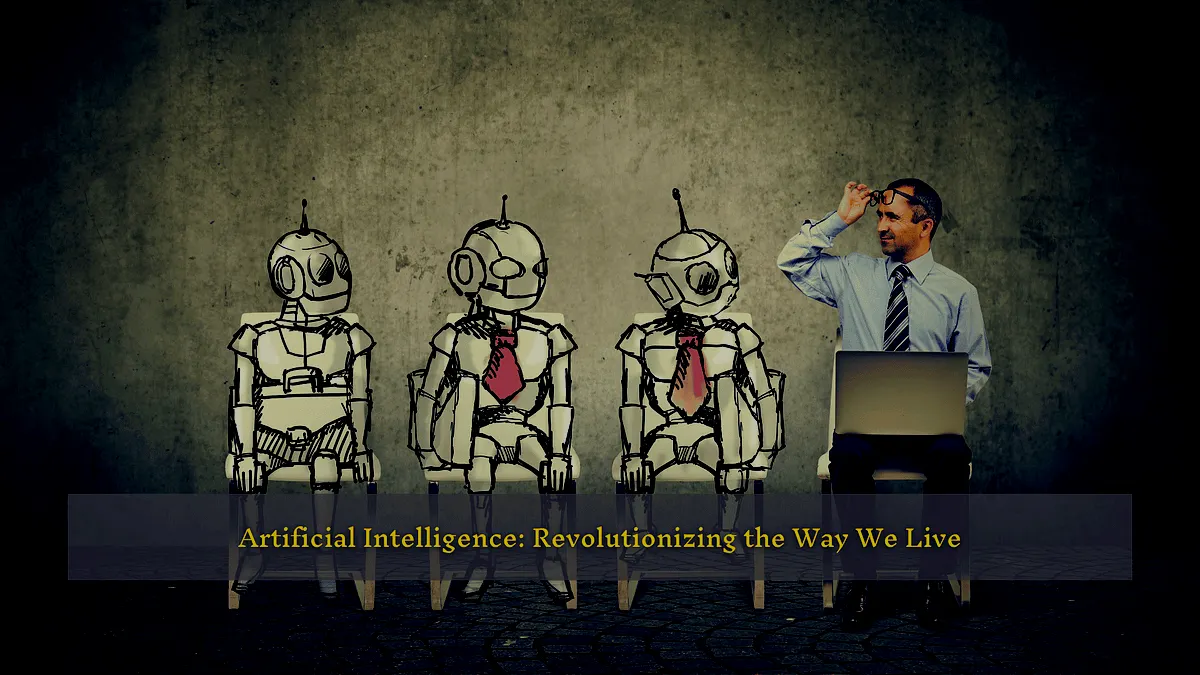
Artificial Intelligence (AI) is no longer a concept reserved for research labs or science fiction. It has become a core technology shaping how businesses operate, how professionals work, and how industries innovate.
Across sectors such as healthcare, finance, retail, education, and manufacturing, AI is helping organizations automate routine processes, analyze large datasets, and make faster decisions. But the real transformation goes beyond automation. The most important impact of AI today is its ability to enhance human productivity and unlock new opportunities for innovation.
Companies around the world are investing heavily in AI-driven technologies to stay competitive in an increasingly digital economy. Research from PwC suggests that artificial intelligence could contribute up to $15 trillion to the global economy by 2030, making it one of the most important technological shifts of our time.
In this guide, we explore how artificial intelligence is transforming industries, improving workflows, and shaping the future of work.
Get TikTok SEO Cheat here
What Is Artificial Intelligence?
Artificial Intelligence refers to computer systems designed to perform tasks that normally require human intelligence. These tasks include learning from data, recognizing patterns, making predictions, and solving complex problems.
Modern AI systems rely on technologies such as:
- Machine learning
- Natural language processing
- Computer vision
- Predictive analytics
- Automation systems
Many businesses now use AI-powered platforms to handle operations ranging from customer support to supply chain management.
5 Major Ways Artificial Intelligence Is Changing the Way We Work
Let’s look at some of the ways AI is changing the way we work in this modern times
1. AI and Automation: Reducing Manual Work
One of the most visible applications of artificial intelligence is automation. Businesses are increasingly using AI to handle repetitive tasks that previously required significant human effort.
Unlike traditional automation systems that follow strict rules, AI systems can learn from data and improve their performance over time.
How AI automation is transforming workplaces
- Intelligent process automation: AI-powered software can automatically process invoices, manage customer queries, schedule meetings, and update records.
- Smarter decision-making: AI tools analyze large datasets quickly and provide insights that help managers make informed decisions.
- Personalized customer experiences: Retail and e-commerce companies use AI to recommend products and tailor services to individual customers.
- Predictive analytics: AI models analyze historical data to forecast trends, customer behavior, and potential risks.
- More time for strategic work: When routine tasks are automated, employees can focus on creative thinking, innovation, and long-term planning.
Automation powered by AI is helping organizations operate faster while allowing employees to focus on work that requires human judgment.
2. AI and Workflow Optimization
Efficient workflows are essential for productivity. However, many organizations struggle with inefficient processes, delays, and manual coordination.
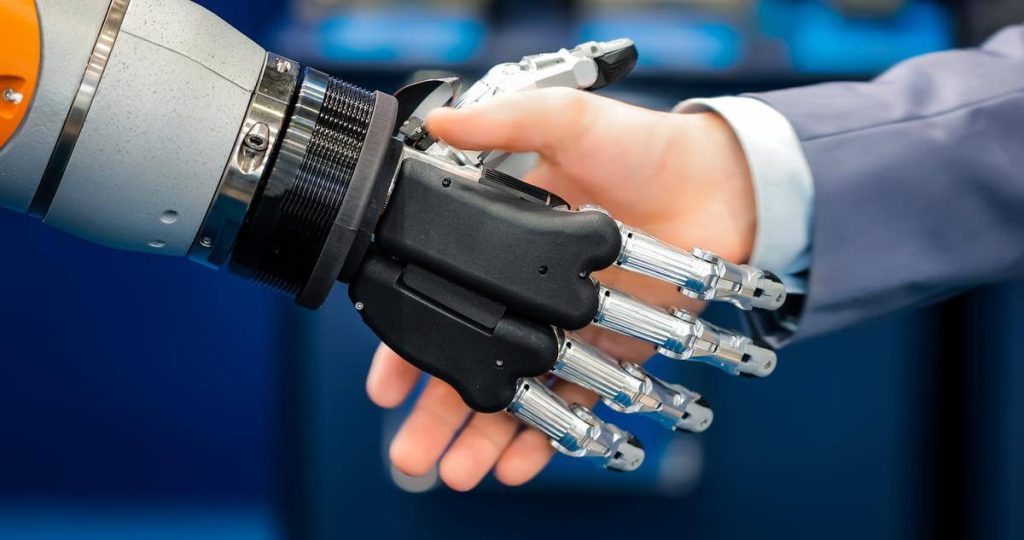
AI-powered workflow systems are helping companies streamline operations and improve collaboration across teams.
Ways AI improves business workflows
- Task prioritization: AI can analyze deadlines, workloads, and dependencies to recommend which tasks should be completed first.
- Workflow prediction: Some AI platforms analyze past performance data to identify bottlenecks and recommend improvements.
- Document processing: AI tools can extract information from documents such as contracts, reports, and forms within seconds.
- Adaptive workflow systems: AI systems learn how teams work and automatically adjust processes to improve efficiency.
- Better collaboration: AI-powered tools can summarize meetings, organize files, and track project progress.
These improvements help organizations reduce operational delays and increase overall productivity.
3. AI and Data: Unlocking Valuable Insights
Data is the foundation of artificial intelligence. AI systems rely on data to learn patterns, make predictions, and generate insights.
At the same time, AI helps organizations process massive amounts of data more efficiently than traditional analytical tools.
How AI and data work together
- Data collection: Businesses gather data from multiple sources, including websites, applications, sensors, and customer interactions.
- Data preparation: Before data can be analyzed, it must be cleaned, structured, and organized.
- Model training: Machine learning models use historical data to learn patterns and improve prediction accuracy.
- Data-driven decisions: Organizations now rely on AI insights to guide marketing campaigns, financial planning, and operational strategies.
- Continuous improvement: AI systems become more accurate over time as they receive new data.
However, companies must also ensure that data is collected and used responsibly to protect privacy and maintain trust.
4. Challenges of Artificial Intelligence Adoption
Despite its advantages, implementing AI successfully comes with several challenges. Organizations must address technical, ethical, and operational concerns to ensure responsible use of AI technologies.
Key challenges businesses face with AI
- Data quality and availability: AI models require high-quality data to produce reliable results.
- Workforce concerns: Many employees worry that AI could replace certain jobs, making training and reskilling essential.
- Security risks: AI systems can become targets for cyberattacks or manipulation.
- High computing requirements: Advanced AI models often require powerful infrastructure and significant investment.
- Ethical considerations: AI systems must avoid bias and ensure fairness in decision-making.
- Regulatory compliance: Governments worldwide are introducing policies to regulate the development and use of artificial intelligence.
Addressing these challenges requires collaboration between governments, technology companies, and academic institutions.
5. AI and Human Productivity
The biggest opportunity with artificial intelligence is not replacing humans but augmenting human capabilities.
AI tools can act as intelligent assistants that help professionals work faster and more effectively.
Ways AI improves productivity
- Automation of repetitive tasks: Administrative tasks such as scheduling, data entry, and reporting can be handled by AI.
- Decision support systems: AI can analyze complex datasets and present insights that help leaders make better decisions.
- Advanced pattern recognition: AI systems can detect patterns in data that humans may overlook.
- Personalized recommendations: Businesses use AI to deliver customized services and product suggestions.
- Process optimization:
- AI tools identify inefficiencies and recommend improvements.
- Collaborative intelligence: Many organizations now combine human expertise with AI-powered analysis.
When used responsibly, AI can significantly increase efficiency across industries.

Real-World Examples of AI Transforming Industries
Artificial intelligence is already making a measurable impact across multiple sectors.
1. Healthcare
AI-powered diagnostic systems help doctors detect diseases earlier and more accurately.
2. Finance
Banks use AI to detect fraud, assess credit risk, and automate financial services.
3. Retail and e-commerce
Online platforms use AI to recommend products and optimize inventory management.
4. Manufacturing
Factories use AI-powered robotics and predictive maintenance systems to reduce downtime.
5. Marketing
Companies use AI to analyze customer behavior and improve advertising campaigns.
These examples show how AI is becoming a key driver of innovation across industries.
Key Artificial Intelligence Trends in 2026
Artificial intelligence continues to evolve rapidly. Several major trends are shaping the next phase of AI adoption.
1. Generative AI in business
Companies are increasingly using generative AI tools for content creation, coding assistance, and product design.
2. AI copilots in the workplace
AI assistants are being integrated into productivity tools to help employees write, analyze data, and manage tasks.
3. Autonomous systems
AI systems are becoming capable of making complex decisions with minimal human intervention.
4. AI-powered cybersecurity
Organizations are using AI to detect cyber threats and respond to attacks in real time.
5. Hyper-personalization
Businesses are using AI to deliver highly personalized customer experiences.
As these technologies continue to mature, AI will play an even larger role in business operations.
The Future of Work in an AI-Driven World
Artificial intelligence will continue to reshape the workforce in the coming years.
Rather than eliminating jobs entirely, AI is expected to transform many roles by automating repetitive tasks and creating new opportunities in areas such as:
- Data analysis
- AI system management
- Machine learning engineering
- Digital transformation strategy
Organizations that invest in workforce training and digital skills development will be better prepared for this transition.
Frequently Asked Questions About Artificial Intelligence
What industries benefit the most from AI?
Industries such as healthcare, finance, retail, manufacturing, and marketing are already seeing significant benefits from AI adoption.
Will artificial intelligence replace jobs?
AI is more likely to automate repetitive tasks rather than replace entire professions. Many new roles are emerging in AI development, data analysis, and technology management.
How does AI improve productivity?
AI automates routine tasks, analyzes large datasets quickly, and provides insights that help professionals make better decisions.
Is artificial intelligence safe to use?
AI can be safe and beneficial when developed responsibly, with proper oversight, transparency, and ethical guidelines.
Read also:
- How to get GTB token
- Does SSL Certificate Boost SEO Ranking? – Google
- How to Quickly Improve Your Digital Marketing ROI with CRO
- How To Get Glo 7GB For 1500
- The 10 Best Free Email Marketing Tools In 2023
- How To Leverage TikTok Marketing For Business Growth in Nigeria (2023)
Conclusion
Artificial intelligence is transforming how organizations operate and how people work. By automating processes, analyzing large amounts of data, and providing intelligent insights, AI is helping businesses become more efficient and competitive.
While challenges such as data quality, ethical concerns, and workforce adaptation remain, the opportunities presented by AI are enormous.
Organizations that adopt artificial intelligence responsibly and invest in digital transformation will be better positioned to innovate, grow, and succeed in the evolving global economy.
References: