

April 2026 has ushered in a powerful shift in how people think about their homes. Among designers, this moment is often referred to as “The Reckoning.” It goes far beyond the usual idea of spring cleaning. Instead, it represents a deeper change in mindset, where the home is no longer just a place to look good, but a space that must function, adapt, and support everyday life in a world shaped by climate uncertainty.
The era of fast furniture and perfectly manicured lawns that require constant maintenance is gradually fading. In its place, a more intentional approach is emerging. Homes are now expected to combine beauty with durability, comfort with practicality, and style with sustainability. The modern home is becoming a true sanctuary, one that is designed not just for appearance, but for resilience and long term living.
If you are thinking about refreshing your space this month, there are three key areas shaping home design in 2026. These include building a climate ready garden, creating a seamless and stylish hosting experience, and embracing hands on creativity through organic, handmade decor.
I. The Climate Prepared Garden: Designing for Strength and Survival
With experts warning about rising temperatures and unpredictable rainfall patterns, gardening in 2026 is no longer just about aesthetics. The focus has shifted toward building gardens that can withstand environmental stress while still thriving.
Get TikTok SEO Cheat here
A climate prepared garden is not only designed to survive harsh conditions but also to function as a self sustaining ecosystem.
Choosing the Right Plants
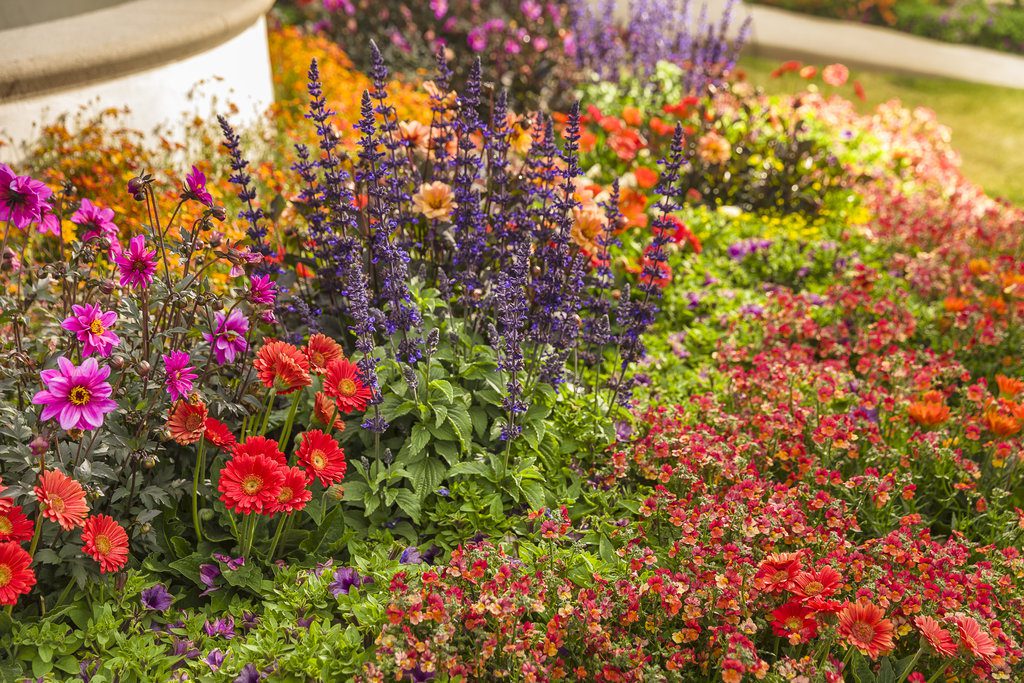
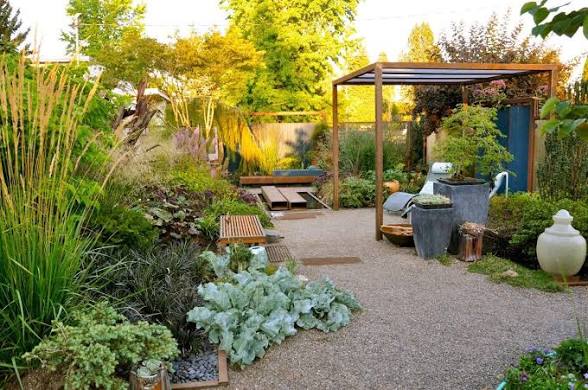
The foundation of any resilient garden begins with plant selection. In 2026, there is a strong emphasis on what are known as keystone plants. These are native species that naturally support local wildlife such as pollinators and birds, while also being well suited to the local soil and climate.
For areas experiencing intense heat, drought tolerant plants are essential. Jewel toned perennials like Baptisia, also known as Wild Indigo, and Mediterranean succulents are excellent choices. These plants can endure temperatures above 32 degrees Celsius without losing their vitality.
For people with limited space or those dealing with unpredictable weather, the tabletop vegetable strategy has become increasingly popular. This involves growing compact crops such as dwarf beans, mini bell peppers, and Solar Fire tomatoes in containers. The advantage is flexibility, as these plants can easily be moved indoors or into shaded areas during extreme weather conditions.
Smart Irrigation and Technology
Watering systems have also evolved significantly. Manual watering is now seen as inefficient, especially in areas where water conservation is critical.
Modern irrigation systems use advanced technology to manage water usage more effectively. Smart controllers can now analyze local weather patterns and even satellite data to predict rainfall. This allows them to automatically adjust watering schedules, skipping cycles when rain is expected.
Another important concept is hydro zoning. This involves grouping plants based on how much water they need. Plants that require more moisture are placed in areas that naturally retain water, such as near rain collection systems. Meanwhile, drought resistant plants are positioned in sunnier, drier areas where they can thrive with minimal water.
Building Healthy, Resilient Soil
Soil health plays a major role in how well a garden can handle extreme conditions. In 2026, gardeners are moving away from bare soil and instead embracing what is known as the green drenched approach.
This involves using living mulch, which consists of low growing plants like thyme or clover that cover the soil. These plants help regulate temperature, retain moisture, and prevent erosion.
Adding organic materials such as compost and biochar is also highly recommended. These materials improve the soil’s ability to absorb and retain water, acting like a sponge during dry periods while also allowing excess water to drain during heavy rainfall.
Read More On:
- Federal High Court Transfers ₦3.44 Billion Assets to Nigerian Government
- Meet “Private Sammy”: Inside the Galaxy S26 Ultra
- Gaming Power in a Tablet Body: Meet the Z13-KJP
- Your Network Fails, You Get Paid: Here’s How It Works
II. The Chic Bar Cart: Redefining Modern Hosting
Entertaining at home has also taken on a new form in 2026. The focus has shifted from overcrowded setups to a more refined and intentional style known as seamless hosting.
The goal is to create a bar cart that feels like a carefully curated display while still being practical and easy to use.
Styling with Purpose
A well designed bar cart is more than just a place to store drinks. It is treated as a visual statement, often described as a vignette.
One key principle is the use of odd numbers when arranging items. Grouping objects in sets of three or five creates a more natural and visually pleasing balance. For example, a top shelf might include a tall decanter, a pair of elegant glasses, and a decorative piece such as a sculptural object.
Material choice also plays an important role. In April 2026, there is a preference for materials like marble and antique brass. These materials add weight, texture, and a sense of luxury that lighter materials cannot achieve.
Another important detail is vertical arrangement. Using trays helps organize items while creating layers of height. The top shelf is usually reserved for display pieces, while the lower shelf can hold additional bottles or books.
The Shift Toward Low Alcohol and Botanical Drinks
Modern hosting is also being influenced by changing lifestyle choices. There is a growing preference for drinks that are lighter and more health conscious.
Instead of traditional high alcohol cocktails, many hosts are now experimenting with botanical infusions. These drinks combine natural ingredients to create complex flavors with lower alcohol content.
Some popular combinations in 2026 include turmeric with blood orange and black pepper for an immune boost, lavender with dried pear and cardamom for a calming effect, and strawberry with vanilla bean and lemon thyme for a fresh seasonal taste.
The process of making these infusions is simple. Ingredients are placed in a glass jar, covered with a liquid base, and left to sit for one to two days. Afterward, the mixture is strained and stored in decorative containers, becoming both a functional drink and a stylish display element.
Read More On:
- “Admin Night” Productivity: How to Turn Boring Chores into High-Focus Power Sessions
- Naira vs Dollar: A Steadier Finish to Q1 in the Cardoso Era
- From Business Deals to Prison Cell: Idowu Gets 30 Years for Fraud
III. Hand Built Clay Potting: Celebrating Imperfection
Another major trend in 2026 is the return to handmade decor. People are increasingly drawn to items that feel personal and organic rather than mass produced.
Clay potting has become especially popular, with a focus on creating pieces that embrace natural imperfections.
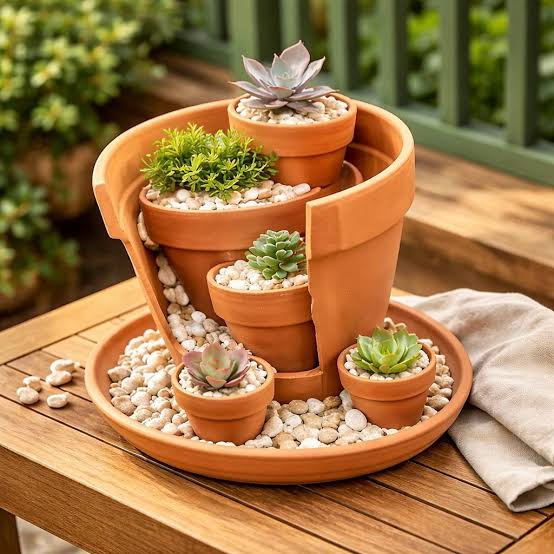
Simple Techniques with a Natural Feel
Instead of using pottery wheels, many creators are turning to basic hand building techniques. The pinch method involves shaping clay by hand, allowing natural textures and irregularities to remain visible.
Another technique is coiling, where clay is rolled into long strands and layered to build structure. Rather than smoothing out the lines, the layers are often left exposed to create a raw, stone like appearance.
Creating a Rock Inspired Look
To achieve the popular rock shaped aesthetic, texture is key. Surfaces can be pressed with stones or even crumpled foil to create small indentations and irregular patterns.
Color choices in 2026 are also shifting toward earthy tones. Shades like terracotta, olive green, and slate gray are preferred over bright or stark white finishes.
For those using kiln fired clay, layered glazing techniques can create a weathered, natural effect. For air dry clay, matte paints in neutral tones can achieve a similar look.
Balancing Beauty with Function
While creativity is important, functionality remains essential. Every planter should include proper drainage to support plant health. This is typically done by creating a hole at the base before the clay fully dries.
There is also a growing emphasis on scale. Instead of multiple small pots, many people are opting for one large, statement piece that anchors a room and draws attention.
The design shift taking place in April 2026 is all about intentional living. Every choice, from the plants in your garden to the materials in your home, reflects a deeper awareness of both the environment and personal well being.
Whether you are preparing your outdoor space for extreme weather, designing a more thoughtful hosting experience, or crafting handmade decor, the goal remains the same. It is about creating a home that feels natural, balanced, and resilient.
In this new era, beauty is no longer just about appearance. It is about purpose, sustainability, and the ability to adapt to whatever the future may bring.
Read More On: