



The line between searching for information and making a purchase has essentially disappeared. A major update from Google has transformed its conversational AI Mode into something far more powerful than a traditional search tool. What used to be a system that simply directed users to websites has now evolved into a platform that helps users discover products and complete purchases in one continuous experience.
This change represents one of the biggest shifts in digital marketing since the early days of keyword based search advertising.
A New Era: From Search Engine to Shopping Engine
For many years, the typical online journey followed a predictable pattern:
- A user searches for something
- They click on a link
- They browse a website
- They decide whether or not to buy
That process has now been replaced by something far more dynamic.
Get TikTok SEO Cheat here
Google’s AI Mode introduces what can be described as a shopping network rather than a simple search funnel. Instead of sending users away to explore options, the system keeps them engaged within the AI conversation itself.
This means that:
- Product discovery happens instantly
- Recommendations are tailored in real time
- Purchase decisions can happen without leaving the interface
In simple terms, Google is no longer just helping users find products. It is helping them choose and buy them immediately.
1. How Sponsored Listings Work Inside AI Conversations
One of the most noticeable changes is how advertisements are presented.
Instead of placing ads at the top or side of a page, Google now integrates sponsored product listings directly into the AI’s responses.
Here is how it works:
- When a user asks a question, the AI provides a detailed answer
- Within that answer, relevant products are introduced naturally
- These products are clearly labeled as sponsored but feel like part of the recommendation
For example, if someone asks for advice on choosing a durable rug for a busy dining area:
- The AI explains suitable materials and features
- It then suggests actual products that match those needs
- These suggestions appear as part of the explanation rather than separate ads
There is also an additional feature where users can explore more options through a dedicated section that highlights sponsored retailers connected to the product being viewed.
This approach makes advertising feel less intrusive and more helpful.
2. Direct Offers and Instant Purchase Incentives
Another major feature is the introduction of Direct Offers.
This tool is designed to capture users at the exact moment they are ready to buy.
Here is what makes it powerful:
- The AI can detect strong purchase intent during a conversation
- It can then present a personalized discount or special offer instantly
- The offer appears naturally within the flow of the conversation
For example:
- A user exploring product options may suddenly see a limited time discount tied to a specific item
- This reduces hesitation and encourages immediate action
Several major brands are already using this feature, including:
- Petco
- e.l.f. Cosmetics
- Samsonite
- Merchants operating through Shopify
For businesses, this means one thing. Your product data must be accurate and well organized. The system relies heavily on information stored in Google Merchant Center, so poor data quality can make your products invisible.
Read More On:
- How to Control Aphids Naturally Without Harming Your Garden
- Oil Surges Past $111 as Global Markets React
- Understanding AI Privacy and How to Stay Safe.
- Wabi Sabi Living: How to Create Beautifully Imperfect Clay Pieces for Your Kitchen.
3. The Rise of Seamless Checkout Through AI
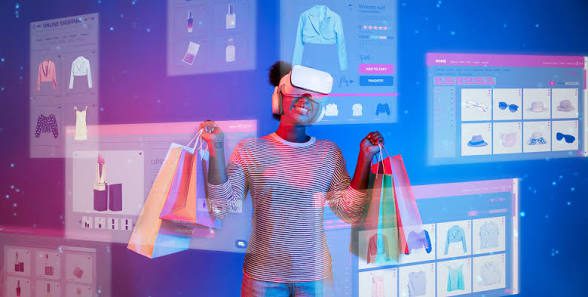
Perhaps the most groundbreaking development is the introduction of a system that allows users to complete purchases without leaving Google.
This is made possible through what is known as the Universal Commerce Protocol.
Here is what it enables:
- Users can add items to a cart directly within the AI interface
- The AI handles the checkout process
- Payment is completed using stored details such as Google Pay
This feature is currently available for selected retailers such as:
- Etsy
- Wayfair
- Target
The biggest advantage here is the removal of friction.
In traditional ecommerce, every extra step increases the chance that a user will abandon their purchase. By keeping everything in one place, AI Mode dramatically reduces that risk.
4. The Shift from SEO to AI Focused Optimization
As AI Mode continues to answer more questions directly, traditional website visits are becoming less central to the marketing strategy.
This has led to a shift from Search Engine Optimization to a new approach often referred to as AI focused optimization.
Key changes include:
Structured Data Becomes Essential
To appear in AI driven recommendations, product information must be detailed and accurate.
Important elements include:
- Product descriptions
- Materials and specifications
- Dimensions and variations
- Unique identifiers
Trust and Authority Matter More Than Ever
The AI prioritizes reliable brands.
This means:
- Strong customer reviews are critical
- Consistent product data improves visibility
- Healthy merchant accounts gain preference
Unique Content Gains Importance
Generic content is no longer enough.
If your content offers:
- Original insights
- Unique frameworks
- Exclusive data
Then the AI is more likely to reference and highlight your brand.
Read More On:
- Wake Up Fresh Every Day with Biometric Alarms: The Smart Way to Beat Morning Grogginess
- ECOWAS Investment Drive Puts Nigeria Infrastructure Projects at the Center of $266.7M Plan
- Africa Technology Expo Targets Massive Deal Growth in Lagos.
- Nigeria Releases Oil and Gas Reserves Data with Fresh Insights
5. What This Means for Marketers in 2026
This update is not just about new features. It represents a complete change in how digital marketing operates.
Here are some key implications:
Centralized Product Management
Google has introduced tools that allow agencies to manage multiple product feeds from a single dashboard. This makes it easier to handle large scale campaigns.
Automated Creative Expansion
Using advanced AI models, the system can take one successful advertisement and generate many variations that match different user contexts.
This means:
- Less manual work for marketers
- Faster testing of new ideas
- More personalized ad experiences
A Shift Toward First Party Data
Since users are interacting within Google’s ecosystem, the platform can rely on its own data rather than external tracking methods.
This helps:
- Improve personalization
- Maintain user privacy
- Deliver more accurate recommendations
Comparing the Old and New Search Experience
The difference between traditional search and AI driven shopping is significant.
- User intent has moved from simple keywords to full conversations
- Ads are no longer separate elements but part of the answer itself
- Purchases can happen instantly without visiting external websites
- Control has shifted from manual setup to AI driven decision making
- Success is measured more by conversions and visibility than by clicks alone
Google has effectively turned its AI platform into a fully functional digital marketplace.
For businesses, the challenge is no longer just being visible online. The real goal is to become the most relevant and trusted option that the AI chooses to recommend.
Marketers must now focus on:
- Providing clear and structured data
- Building strong brand credibility
- Creating meaningful and unique content
The future of marketing is no longer about chasing clicks. It is about being selected by intelligent systems that are designed to solve real human needs in real time.
Read More On:
- Create a Recovery Zone That Helps You Relax and Recharge.
- Nigeria’s Blue Economy Generates ₦1.83 Trillion as Maritime Revenue Surges
- The Endurance King: Vivo V70 FE Delivers Unmatched Battery Life
- Redmi Note 15 SE: The Smartphone That Redefines Affordable Excellence
- How To Use Limewash to Create a Soft and Textured Interior