
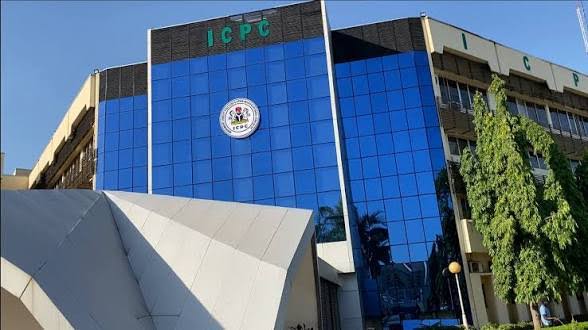
Nigeria’s anti corruption landscape has once again come into sharp focus following the arraignment of a former senior official of the Agricultural and Rural Management Training Institute. The case has generated widespread attention due to the scale of the alleged financial misconduct, the number of charges involved, and the broader implications for public sector accountability.
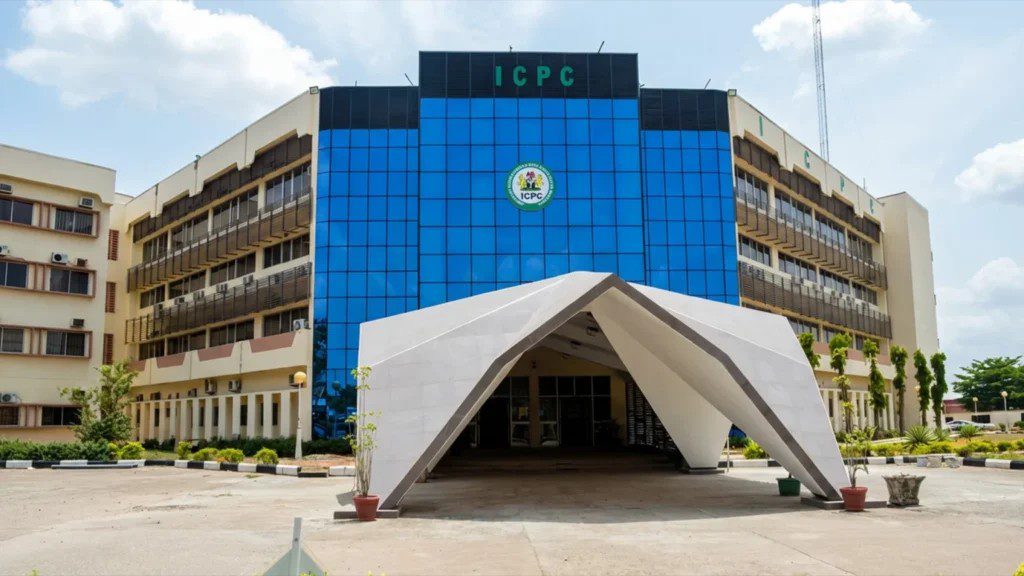
The Independent Corrupt Practices and Other Related Offences Commission has formally charged a former Director of Finance and Supply at the Agricultural and Rural Management Training Institute over alleged contract fraud amounting to tens of millions of naira.
This development highlights the continued crackdown on corruption within government institutions and reinforces the growing push for transparency in Nigeria’s public procurement system.
Background of the Case
The defendant, identified as Ibitoye Moses, was brought before the Kwara State High Court where he faced a total of twenty four counts related to financial misconduct.
Get TikTok SEO Cheat here
The charges filed against him include:
• Abuse of office
• Contract fraud
• Misappropriation of public funds
• Conferring unfair advantage on affiliated companies
• Making false statements to investigators
According to the prosecution, the accused allegedly used his official position to influence the award of contracts to companies in which he had direct and indirect interests.
This pattern of alleged misconduct is one of the most serious forms of corruption in public administration because it undermines fair competition and diverts resources meant for national development.
Details of the Alleged ₦48.52 Million Contract Fraud
At the center of the case is a contract valued at ₦48.52 million. This contract was reportedly awarded for an agricultural training program focused on oil palm production for women in Akwa Ibom State.
Investigations revealed several key allegations:
• The contract was awarded to a company known as Magic Touch Business Solutions Limited
• The defendant is alleged to be both a director and shareholder in the company
• He allegedly influenced the procurement process to favor this company
• He reportedly benefited financially from the contract
Beyond this specific contract, the prosecution also presented additional allegations involving multiple contracts.
These include:
• ₦29.95 million contract for dry season farming training
• ₦40 million contract for youth and women empowerment programs
• ₦28.85 million contract linked to indirect financial benefits
• Several other contracts valued between ₦10 million and ₦19.83 million
All of these contracts were allegedly connected to entities linked to the defendant.
This pattern suggests a systematic exploitation of public office for private gain, according to investigators.
Read More On:
Alleged Misappropriation and False Declarations
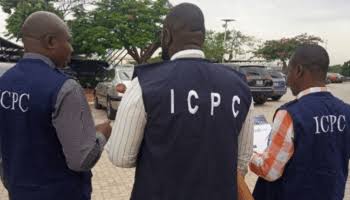
In addition to contract manipulation, the ICPC also accused the defendant of direct financial misconduct.
Key allegations include:
• Misappropriation of ₦3 million collected as administrative charges
• Denial of involvement with the companies under investigation
• Providing false statements to investigators
The prosecution claims that documentary evidence contradicts the defendant’s denials, strengthening the case against him.
Such allegations, if proven, could carry serious legal consequences and further damage public trust in government institutions.
Court Proceedings and Bail Conditions
During the arraignment, the charges were read out in court and the defendant pleaded not guilty to all counts.
Following his plea:
• His legal counsel applied for bail
• The prosecution did not oppose the application
• The court granted bail in the sum of ₦5 million
• Two sureties were required
• One surety must own landed property within the court’s jurisdiction
The presiding judge adjourned the case to a later date for the commencement of trial.
The upcoming trial is expected to involve witness testimonies and presentation of documentary evidence by the prosecution.
Read More On:
What This Means for Nigeria’s Anti Corruption Drive
This case is part of a broader effort by the ICPC to clamp down on corruption within public institutions.
The implications are far reaching:
• It sends a strong message to public officials about accountability
• It reinforces the importance of transparency in government contracts
• It highlights the role of anti corruption agencies in safeguarding public funds
• It may encourage stricter oversight in procurement processes
Nigeria has faced longstanding challenges with corruption, particularly in public sector procurement. Cases like this are often seen as critical tests of the country’s commitment to reform.
The Bigger Picture: Public Procurement and Accountability
Public procurement remains one of the most vulnerable areas for corruption globally. In Nigeria, the award of contracts often involves large sums of money, making it a prime target for abuse.
Common risks include:
• Conflict of interest
• Insider influence in contract awards
• Inflated contract values
• Diversion of funds
The allegations in this case reflect many of these systemic issues.
If successfully prosecuted, it could set a precedent for handling similar cases and strengthen institutional reforms.
Public Reaction and Investor Confidence
Cases involving alleged fraud in public institutions often attract strong reactions from the public and stakeholders.
Potential impacts include:
• Increased public demand for accountability
• Greater scrutiny of government agencies
• Concerns among investors about governance standards
• Renewed calls for reform in public finance management
However, consistent enforcement of anti corruption laws can also improve investor confidence over time.
Conclusion
The arraignment of a former ARMTI director over alleged ₦48.52 million contract fraud marks another significant moment in Nigeria’s ongoing fight against corruption.
While the defendant has pleaded not guilty and the case is yet to be concluded, the details presented so far underscore the importance of transparency, accountability, and strict enforcement of procurement laws.
As the trial progresses, Nigerians and the wider international community will be watching closely to see how the judicial system handles the case and whether it delivers justice in a way that strengthens trust in public institutions.