
As Nigeria moves through the early months of the year, the country finds itself at a delicate economic turning point. On the surface, recent figures suggest that inflation is slowing down. However, beneath these numbers lies a more complicated reality that many households and businesses are already feeling in their daily lives.
According to official data released by the Central Bank of Nigeria and the National Bureau of Statistics, headline inflation has eased to about 15.10 percent in the first quarter of the year. This is one of the lowest levels recorded in recent years and appears to reflect the impact of strict monetary policies introduced over the past year.
Even so, economic analysts and market observers are urging caution. The current trend does not necessarily mean that prices are falling. Instead, it simply means that prices are rising at a slower pace. For most Nigerians, the cost of living continues to increase, and there are growing concerns that inflation could rise again later in the year.
Understanding the Gap Between Data and Reality
The current situation can best be described as a gap between official statistics and everyday experience. While the numbers suggest improvement, the market tells a different story.
Get TikTok SEO Cheat here
This contrast has raised an important concern. If underlying economic pressures are not addressed, the country could experience another surge in prices before the end of the year.
Key Factors Shaping Nigeria’s Inflation Outlook
Several major forces are influencing the direction of prices across the country. Each of these factors plays a role in explaining why inflation may rise again despite recent improvements.
1. The Base Effect and Its Hidden Impact
One of the main reasons inflation appears lower in this year is something economists refer to as the base effect.
In recent years, Nigeria experienced extremely high price increases following major policy changes such as the removal of fuel subsidy and the adjustment of the naira exchange rate. Because prices were already very high during that period, the percentage increase recorded in this year appears smaller when compared year on year.
What this means in practical terms
- Prices are still rising, but at a slower rate compared to an already elevated base
- The apparent improvement in inflation figures may not reflect real relief for consumers
- As the year progresses and the influence of the earlier high prices fades, any new shock could push inflation upward again
Many experts believe this could lead to a situation where inflation rises sharply in the second half of the year after appearing stable in the early months.
Read More On:
- Motorola Razr Ultra: The New Gold Standard for Flip Phones
- How To Smarter Living in 2026: The Systems Changing How We Work and Live
- “Admin Night” Productivity: How to Turn Boring Chores into High-Focus Power Sessions
- Naira vs Dollar: A Steadier Finish to Q1 in the Cardoso Era
- From Business Deals to Prison Cell: Idowu Gets 30 Years for Fraud
2. Food Supply Pressures and Growing Insecurity
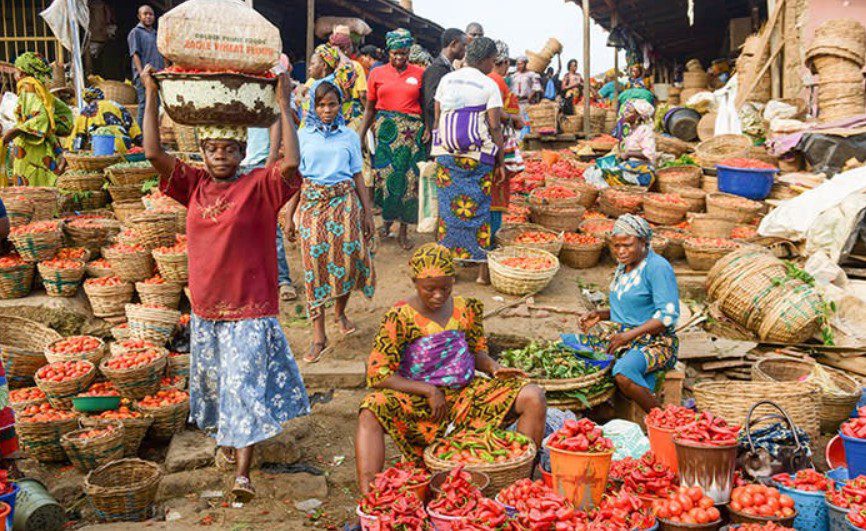
Food prices remain one of the biggest concerns in Nigeria’s inflation outlook. A combination of structural challenges continues to affect the availability and cost of basic food items.
Major drivers of food inflation
- Seasonal pressure
Between June and August, Nigeria typically enters a period known as the lean season. During this time, food supplies are lower while demand remains high - Rising food insecurity
Humanitarian projections indicate that as many as 21 million Nigerians could face serious food shortages by mid 2026. In some parts of the Northeast, conditions may reach emergency levels where access to food becomes critically limited - Transport related costs
Goods moving from northern farming regions to major cities often face multiple checkpoints. These checkpoints sometimes involve unofficial charges that increase transportation expenses - Climate challenges
Unpredictable rainfall patterns during the previous planting season have reduced expected harvest output, which may limit supply later in the year
The overall effect
All these factors combine to push food prices higher, placing additional pressure on household budgets across the country.
3. Energy Costs and Infrastructure Limitations
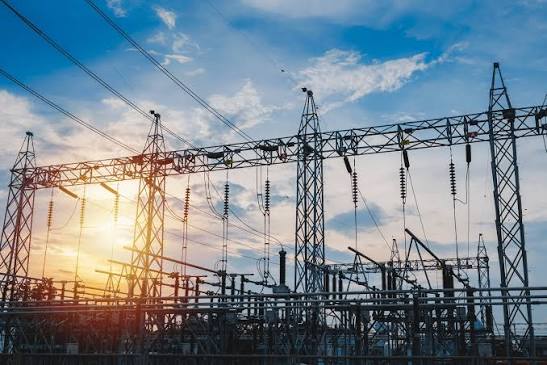
Energy remains a key driver of inflation in Nigeria. Even though the naira has shown some level of stability, the cost of powering businesses and transporting goods continues to rise.
Key issues in the energy space
- High cost of petrol and diesel, which affects transportation and production
- Increased electricity tariffs as the country moves toward cost reflective pricing
- Dependence on global oil prices, which can quickly influence local costs
Why this matters
When energy costs increase, businesses often pass these expenses on to consumers. This leads to higher prices for goods and services across multiple sectors of the economy.
Read More On:
- Lenovo Legion 5i Gen 10: The Mid Range Champion
- The Complete Guide to Nigerian Network Updates for Data and Airtime in 2026
- No Resignation: Adebayo Adelabu Dismisses Viral Claims
- Apple’s Biggest Design Mistake Is About to Disappear
- Transform Your Kitchen: The Ultimate Guide to Zero-Waste Living
4. Monetary Policy Challenges
The Central Bank of Nigeria has taken strong measures to control inflation by maintaining high interest rates. The Monetary Policy Rate stood at 27 percent in late 2025 before being slightly reduced to 26.5 percent in early 2026.
The policy dilemma
- High interest rates help stabilize the currency and control inflation
- However, they also make borrowing more expensive for businesses
- Reduced access to credit limits production and slows economic growth
The balancing act
If interest rates are reduced too quickly, more money could flow into the economy and drive prices up again. If they remain high, businesses may struggle to expand, which could worsen supply shortages.
5. Global Pressures and Fiscal Constraints
Nigeria’s economy is also influenced by global developments. External factors continue to shape the country’s inflation outlook.
Key external pressures
- Volatility in global trade and shifting economic policies in other countries
- Continued reliance on imports, which exposes Nigeria to foreign price changes
- Debt obligations that limit government spending capacity
Financial position
Although foreign reserves are expected to grow, the government still faces constraints in providing large scale financial support to cushion the impact of rising prices.
A Snapshot of the Key Inflation Drivers
To better understand the situation, here is a simplified overview of the main factors influencing prices:
- Exchange rate stability
Offers some relief but remains vulnerable to shocks - Agricultural output
Declining due to insecurity, climate issues, and high production costs - Transport and logistics
Rising costs driven by fuel prices and checkpoint charges - Monetary policy
High interest rates help control inflation but limit business expansion - Household income
Largely stagnant, reducing purchasing power despite slower inflation growth
Nigeria’s economic outlook in 2026 presents a clear paradox. Official figures suggest that inflation is easing, yet everyday experience tells a different story. Prices remain high, and many households continue to feel financial pressure.
The possibility of another inflation surge later in the year cannot be ignored. Unless deeper structural challenges are addressed, especially in food production, transportation, and energy supply, the current stability may not last.
What to Expect Moving Forward
For the rest of 2026, businesses and individuals may need to focus on adaptability and careful financial planning. Key areas to watch include:
- Developments in food supply and agricultural output
- Changes in fuel and electricity pricing
- Decisions by the Central Bank of Nigeria on interest rates
- Global economic trends that could influence import costs
In the end, Nigeria’s ability to manage inflation will depend not just on monetary policy, but on solving deeper structural issues that affect how goods are produced, transported, and priced across the country.
Read More On: