

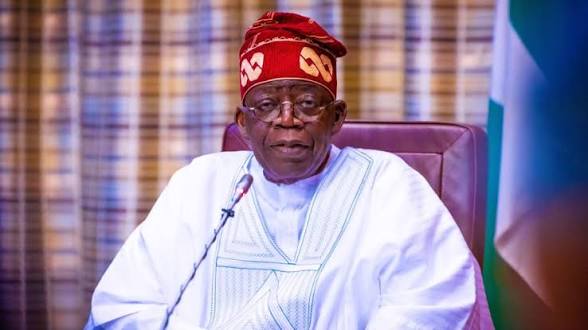
On Thursday, April 2, 2026, Bola Ahmed Tinubu made a major move that could reshape how Nigeria trades its agricultural produce and natural resources. In a clear effort to reduce dependence on crude oil while strengthening exports from other sectors, the President approved the appointment of Dalhatu Abubakar as the new Chairman of the Nigeria Commodity Exchange.
This decision took immediate effect. It was not just a routine appointment. It came with a complete restructuring of the governing board of the Exchange. This signals a shift from a period of inactivity into a new phase focused on performance, efficiency, and real economic impact.
The New Chairman: Understanding Dalhatu Abubakar’s Background
The selection of Dalhatu Abubakar has drawn attention across the business community. Many analysts see this as a deliberate shift toward leadership rooted in real sector experience rather than administrative background.
Abubakar brings with him years of hands on involvement in agriculture and commerce. His experience covers the entire value chain, from production to processing and market distribution.
Get TikTok SEO Cheat here
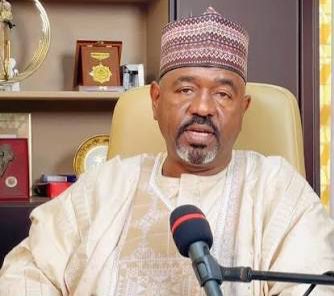
Key highlights of his profile
• Strong agro industrial foundation
He serves as Chairman of Al Hamsad Integrated Rice Mills, one of the largest rice processing operations in Northern Nigeria. His involvement in large scale food production gives him practical insight into the realities farmers and processors face daily.
• Leadership in organized private sector groups
He is currently the President of the Conference of Northern States Chambers of Commerce, Industry, Mines and Agriculture, widely known as CONSCCIMA.
He also previously led the Kano Chamber of Commerce, often referred to as KACCIMA.
• Deep understanding of market systems
His experience positions him well to connect rural farmers with structured markets. This is a key gap the Commodity Exchange has struggled to close for years.
Because of this background, many observers believe his leadership could help align agricultural production with formal trading systems in a way that benefits both producers and investors.
A Fully Reconstituted Board with Diverse Expertise
The President did not stop at appointing a chairman. He also introduced a new leadership team designed to provide strong direction and accountability.
Alongside Abubakar, Anthony Atuche was appointed as the Managing Director. This role is critical because it oversees daily operations and ensures that the Exchange functions efficiently.
Members of the newly appointed board include
• Najah Muhammed
• Bamidele Hussein
• Mezuo Nwuneli, known for his work in agriculture focused investment
• Obi Igwe
• Foluso Ayo Olaiya
This combination of professionals reflects a blend of finance, agriculture, and enterprise experience. The expectation is that this team will bring strategic thinking and practical execution together.
Their primary responsibility is clear. They must reposition the Exchange into a modern platform that ensures transparency, efficiency, and trust.
Read More On:
- Nigeria Releases Oil and Gas Reserves Data with Fresh Insights
- Lenovo Legion 5i Gen 10: The Mid Range Champion
- The Complete Guide to Nigerian Network Updates for Data and Airtime in 2026
- No Resignation: Adebayo Adelabu Dismisses Viral Claims
- Apple’s Biggest Design Mistake Is About to Disappear
Why This Appointment Matters for Nigeria’s Economy
For many years, the Nigeria Commodity Exchange has not operated at its full potential. It has often been overlooked due to structural challenges and competition from informal trading systems.
This new leadership move is designed to tackle some of the most pressing economic issues in the country.
1. Improving price discovery for farmers
One of the biggest challenges farmers face is lack of accurate market information. Many producers do not know the real value of their goods at the point of sale.
A functional Commodity Exchange can address this problem by:
• Providing a transparent pricing system
• Allowing open bidding among buyers
• Reducing the power of middlemen who exploit farmers
This can lead to fairer income for producers and better planning across the agricultural sector.
2. Strengthening non oil exports
Nigeria has long relied heavily on crude oil for foreign earnings. However, agricultural products such as cocoa, cashew, ginger, and sesame seeds have strong global demand.
With a properly structured Exchange, the country can:
• Track export volumes more accurately
• Improve quality control and standards
• Increase revenue from agricultural trade
This aligns with the broader goal of earning more foreign exchange from sustainable sectors.
Read More On:
- Africa Technology Expo Targets Massive Deal Growth in Lagos.
- Motorola Razr Ultra: The New Gold Standard for Flip Phones
- How To Smarter Living in 2026: The Systems Changing How We Work and Live
- “Admin Night” Productivity: How to Turn Boring Chores into High-Focus Power Sessions
3. Expanding infrastructure and logistics systems
The success of a commodity exchange depends on more than just buying and selling. It also requires strong physical infrastructure.
The new board is expected to attract investment into key areas such as:
• Storage facilities and warehouses
• Transportation and logistics networks
• Commodity grading and certification systems
One important feature expected to grow is the use of warehouse receipts. These allow farmers to store their produce and use it as collateral to access loans from banks. This can improve liquidity in rural economies.
The Bigger Picture: Positioning Nigeria in Africa
The timing of this restructuring is important. The African Continental Free Trade Area is opening up trade opportunities across the continent.
For Nigeria to compete effectively with countries like Ethiopia and South Africa, it needs a well organized commodity trading system.
A strong Exchange can help Nigeria:
• Standardize its agricultural exports
• Improve competitiveness in regional markets
• Attract international buyers and investors
Immediate Challenges Facing the New Leadership
While expectations are high, the new team will need to address several critical issues.
Key priorities include
• Digital transformation
The Exchange must move to a modern electronic trading system that supports real time transactions.
• Traceability and compliance
Export markets now demand strict environmental and quality standards. Meeting these requirements is essential for global trade.
• Building market confidence
Large investors and institutions must be convinced to use the Exchange instead of informal channels.
Final Thoughts
By appointing a respected industrialist from Kano to lead a national institution, Bola Ahmed Tinubu has made a strong statement about his economic direction.
This move shows that the government is ready to shift focus from policy discussions to real market action. The success of this initiative could transform how Nigerian farmers and traders participate in both local and global markets.
For many producers across the country, this could mark the beginning of a new era where their efforts are properly valued and rewarded within a structured system that connects them to the world.
Read More On:
- Nigeria Faces Inflation Uncertainty Despite Recent Economic Gains.
- How To Smarter Living in 2026: The Systems Changing How We Work and Live
- “Admin Night” Productivity: How to Turn Boring Chores into High-Focus Power Sessions
- Naira vs Dollar: A Steadier Finish to Q1 in the Cardoso Era
- From Business Deals to Prison Cell: Idowu Gets 30 Years for Fraud