


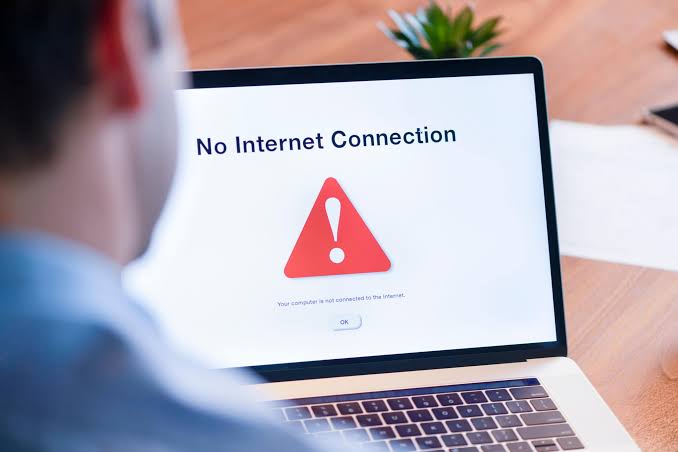
In a move that is already shaking up Nigeria’s telecom sector, the Nigerian Communications Commission has introduced a new rule that shifts responsibility for poor service directly onto network providers. As of March 29, 2026, telecom operators are now required to compensate customers whenever they fail to meet Quality of Service standards.
Here is a clearer look at what this means for your data, your money, and your everyday connectivity.
A Long Standing Problem Finally Addressed
For years, many Nigerians have faced a frustrating reality. The country’s tech space keeps growing, yet the actual internet experience often falls short. Data costs continue to rise, but network reliability has not kept pace.
This situation has become a common experience for users who struggle with weak signals and unstable connections despite paying more.
Get TikTok SEO Cheat here
Rising Costs, Falling Quality
By early 2026, the average cost of 1GB of data had increased to about ₦637.5. This is more than double what users paid in 2023. The increase followed a tariff adjustment in 2025 aimed at helping operators manage inflation and currency challenges.
At the same time, network disruptions remain frequent. Major providers such as MTN Nigeria, Airtel Nigeria, and Globacom deal with numerous fiber cuts daily. These are often caused by construction work, vandalism, and aging infrastructure.
A New Approach to Accountability
In the past, when networks failed, the regulator fined the companies. However, those fines did not benefit the affected users.
The new directive changes that. Telecom operators must now compensate customers directly whenever service quality drops below the required standard.
- Subscribers in affected areas will receive compensation
- Payments will be issued as airtime credits
- The amount will depend on each user’s spending pattern and how long they were affected
What Users Should Expect
This system is designed to work automatically. When there is a major outage in a location, users in that area will be identified and credited without needing to file complaints.
You may receive a message informing you that your account has been credited due to a service disruption in your area.
Beyond the Network Providers
The new policy also targets infrastructure companies that manage telecom towers. These companies are now expected to use any penalties they receive to improve their systems. The aim is to ensure that problems are fixed, not just punished.
What It Means Going Forward
Nigeria’s digital economy has grown rapidly, with spending reaching ₦7.62 trillion by 2026. Internet access is now essential for work, business, and daily life.
By introducing direct compensation, the regulator is making it clear that service providers must be accountable. If the service is not delivered, customers should not bear the loss.
For everyday users, this is not just about receiving small credits. It reflects a shift toward fairness and recognition of the importance of reliable connectivity in modern life.