



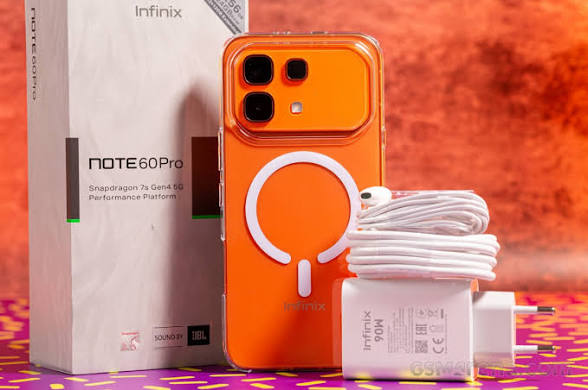
The mid-range smartphone landscape in Nigeria is undergoing a massive shift. For years, mobile power users, gamers, and tech-savvy professionals seeking high performance under a strict budget have had a predictable playbook. You either accepted the compromise of aggressive thermal throttling on budget chipsets or saved up millions of Naira to buy a traditional flagship. Infinix intends to rewrite that narrative entirely.
The brand has historically built its identity around maximum cost-to-performance metrics, almost exclusively utilizing MediaTek silicon to keep shelf prices accessible. The arrival of the Infinix Note 60 Pro completely smashes that tradition. This device represents an engineering pivot, moving away from its budget roots into the premium tier. It introduces a Qualcomm platform, a specialized secondary rear matrix setup, and massive battery innovations designed specifically for power-intensive workflows. For digital creators, remote professionals, and heavy mobile users checking reviews on digiconceptng.com, this device demands a deep technical breakdown to separate marketing hype from real-world performance.
Design
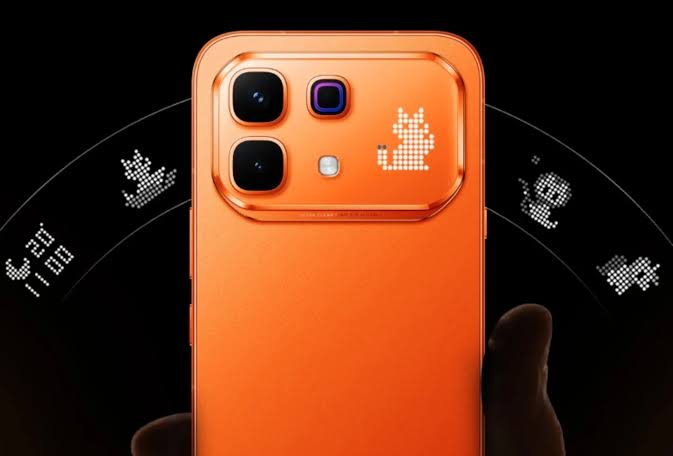
The Active Matrix Revolution
Infinix has crafted the chassis with premium materials that defy the usual plastic-heavy builds seen in this price category. The foundation of the body relies on a 360-degree aerospace-grade aluminum unibody frame sandwiched between sheets of fortified glass. Despite housing an absolute monster of a battery cell, the physical engineering manages to keep the thickness down to a razor-thin 7.45 millimeters with a balanced weight of 201.7 grams. The ergonomics feel incredibly dense and premium in the hand, available in distinct colorways like Solar Orange, Deep Ocean Blue, and Mocha Brown. It also boasts an IP64 dust and splash resistance rating, offering everyday reassurance against heavy downpours or accidental table spills.
Get TikTok SEO Cheat here
Flip the phone over, and you encounter the visual centerpiece of this hardware generation: the Active Matrix Display. Rather than relying on simple, single-colored notification LEDs, Infinix integrated a sophisticated sub-panel consisting of 288 independently controlled, addressable LEDs embedded directly into the glass camera housing. This secondary interface serves multiple functional purposes beyond looking unique. It acts as an ambient visual hub that reveals real-time battery percentages during charging, flashes distinct geometric patterns for incoming calls, and acts as a digital canvas for interactive Pixel Pets. These nostalgic, retro-styled digital companions react directly to user habits, app notifications, and system events, giving the device a distinct physical personality.
Display
1.5K Cinematic Clarity
Up front, the device sports a beautiful 6.78-inch AMOLED LTPS panel that represents an absolute triumph for mid-range media consumption. Infinix chose a 1.5K resolution layout (1208 by 2644 pixels), which strikes the ultimate sweet spot between traditional Full HD battery efficiency and pixel-dense Quad HD sharpness. Text renders with crisp, vector-like precision at 429 pixels per inch, eliminating jagged edges when reading lengthy documents or scripts.
The fluidity of this panel is anchored by an ultra-fast 144Hz refresh rate. Navigating through dense web pages, UI submenus, and compatible application feeds feels completely instantaneous, bolstered by an incredibly responsive touch sampling layer. Outdoor visibility is equally remarkable. The screen hits a blinding peak local brightness of 4,500 nits under high ambient light, ensuring complete readability under the unforgiving direct sunlight of Lagos or Abuja. For night owls, the display implements high-frequency 2304Hz PWM dimming. This hardware feature reduces low-light display flicker to a microscopic level, significantly minimizing eye strain, headaches, and physical fatigue during prolonged late-night reading or editing sessions. The entire glass front is protected by a layer of Corning Gorilla Glass 7i, protecting the screen against deep pocket scratches and sudden concrete drops.
Performance
The Snapdragon Debut
The true soul of this smartphone lies in the historic structural switch to the Qualcomm Snapdragon 7s Gen 4 mobile platform. Built on an ultra-efficient 4-nanometer system architecture, this octa-core system features a high-performance cluster clocked up to 2.7 GHz alongside a high-efficiency cluster running at 1.8 GHz. When combined with the Adreno 810 graphics processor, the performance jumps forward dramatically. The phone cracks an AnTuTu benchmark score north of 1,100,000 points, translating directly into flawless everyday multitasking and stellar gaming capabilities.
For intensive gaming workloads, the hardware can lock down a steady 120 frames per inch in titles like Call of Duty Mobile. Thermal management is handled by a heavily upgraded 3D IceCore Vapor Chamber cooling setup. Spanning an expansive 4,758 square millimeter dissipation surface area, this internal system pulls thermal energy rapidly away from the silicon, preventing heavy frame drops or localized hot spots during hour-long competitive gaming sessions.
Memory configurations are highly future-proof, featuring options for 8GB or 12GB of blazing-fast LPDDR5X RAM paired natively with 256GB of high-speed UFS 2.2 onboard storage. Power users must plan their storage needs carefully, because Infinix opted to omit a traditional expandable microSD storage slot to prioritize internal battery space. On the software side, the device launches with XOS 16 built on top of Android 16. Infinix officially guarantees three major generational Android operating system upgrades alongside five full years of security patches, ensuring this device remains secure and relevant well into the future.
Camera
The Night Master System
The photographic department balances practical versatility with strong low-light capabilities. The rear dual-camera setup drops redundant, low-resolution macro or depth sensors in favor of two highly intentional lenses.
- 50MP Primary Lens: This main camera utilizes an f/1.59 large aperture lens element paired with multi-directional phase-detection autofocus and true optical image stabilization. The hardware physical stabilization counteracts shaky hand movements perfectly, producing crisp daytime images and sharp, noise-free nighttime photography. It shoots ultra-clear 4K video at 30 frames per second, making it an excellent mobile companion for capturing quick, sharp B-roll or street-style footage.
- 8MP Ultra-Wide Lens: This secondary sensor offers a wide 112-degree field of view with an f/2.2 aperture. It captures expansive cityscapes and large group images effortlessly, though pixel detail naturally softens slightly toward the outer edges when compared directly to the primary sensor.
- 13MP Front Camera: Housed in a clean punch-hole cutout, the selfie shooter is optimized directly for modern social content creators. It breaks mid-range tradition by supporting full 4K video recording, allowing creators to shoot high-resolution vlogs or host crystal-clear business video calls without needing to rely on the rear camera setup.
Battery
The Endurance King
The physical power source of the phone is an absolute masterpiece of battery engineering, packing a massive 6,500mAh dual-cell structure. In standard real-world stress testing, this system easily handles over 34 hours of continuous video playback or two full days of typical mixed professional use on a single charge.
The charging infrastructure is incredibly versatile. The 90W All-Round FastCharge brick included in the box pumps the cell from zero to 50 percent capacity in less than 15 minutes. Wireless charging enthusiasts can take advantage of 30W wireless speeds, which tie directly into the proprietary Infinix MagCharge ecosystem for clean, snap-on alignment. For emergency situations, the device supports 7.5W reverse wired charging and 5W reverse wireless power sharing to revive dead accessories like smartwatches or earbuds.
The standout feature for long-term ownership is the industry-first Battery Self-Healing Technology. This advanced power management protocol actively repairs microscopic structural wear within the cell chemistry, recovering roughly an extra one percent of total battery health for every 200 charging cycles completed. Infinix claims that this technology allows the internal battery to maintain excellent health and charge retention for up to six years of daily use. Gamers can also take advantage of All-time Adaptive Bypass Charging, a software-assisted feature that sends electricity directly from the charger into the motherboard, bypassing the battery entirely during heavy gaming sessions to eliminate internal heat build-up.

Full Technical Specifications
| Hardware Component | Technical Specification Detail |
|---|---|
| Network Technology | GSM / HSPA / LTE / 5G NR (SA/NSA Architecture) |
| Body Dimensions | 162.37 mm x 77.17 mm x 7.45 mm |
| Physical Weight | 201.7 Grams total mass |
| Build Materials | Glass Front (Gorilla Glass 7i), Aerospace Aluminum Frame, Glass Back |
| Ingress Protection | IP64 Certified Dust Tight and Splash Resistant |
| Main Display Type | AMOLED LTPS Panel, 144Hz Refresh Rate, 2304Hz PWM Dimming |
| Screen Dimensions | 6.78 Inches diagonally |
| Native Resolution | 1208 x 2644 Pixels (1.5K Ultra-Vision Layout) |
| Peak Brightness | 4,500 Nits Maximum Local Brightness |
| Processor Chipset | Qualcomm SM7635-AC Snapdragon 7s Gen 4 (4nm Node) |
| Graphics Processor | Adreno 810 Graphic Processing Unit |
| Internal Memory | 8GB or 12GB LPDDR5X System RAM |
| Onboard Storage | 256GB Built-in Storage (UFS 2.2 System Architecture) |
| Expandable Storage | None (No Physical MicroSD Card Expansion Slot) |
| Primary Rear Camera | 50 Megapixel, f/1.59 Aperture, Phase-Detection Autofocus, OIS |
| Secondary Rear Camera | 8 Megapixel Ultra-Wide, f/2.2 Aperture, 112-Degree Field of View |
| Front Selfie Camera | 13 Megapixel, f/2.2 Aperture, 4K Video Recording Support |
| Audio Configuration | Dual Balanced Stereo Speakers Tuned by JBL, Hi-Res Wireless Audio |
| Headphone Jack | None (Audio handled via USB Type-C or Bluetooth 5.4) |
| Biometric Security | Under-Display Optical Fingerprint Sensor, AI Face Unlock |
| Onboard Sensors | Heart Rate Sensor, SpO2 Blood Oxygen, Accelerometer, Gyroscope, Compass |
| Battery Capacity | 6,500mAh Lithium-Polymer High-Density Cell |
| Charging Ecosystem | 90W Wired Hyper-Charge, 30W Wireless MagCharge Support |
| Reverse Power Share | 7.5W Reverse Wired Charging, 5W Reverse Wireless Charging |
| Operating System | Android 16 Interface customized with XOS 16 |
| Pricing Estimate | Approximately ₦595,000 to ₦620,000 depending on retail region |
The Final Verdict
The Infinix Note 60 Pro completely redefines what a consumer can expect from a mid-range smartphone. By breaking away from its historic reliance on entry-level chipsets and embracing Qualcomm Snapdragon performance, the brand has created a compelling device that challenges the standard hierarchy of the market. The massive 6,500mAh battery combined with self-healing longevity tech makes it an incredibly reliable choice for professionals who cannot afford mid-day power failures due to unstable grid electricity. While the omission of a headphone jack and expandable microSD card storage will frustrate a few traditionalists, the trade-off is well worth it. You receive a brilliant 1.5K AMOLED panel, an innovative secondary rear matrix hub, and true flagship-grade processing efficiency that confidently handles intensive workloads without breaking a sweat.
Read More On: