

You are scrolling through your phone in the pitch blackness of a Lagos night. The distinct “clack” of the NEPA meter shutting off still echoes in your ears. Within minutes, the heat begins to crawl over your skin like a physical weight. You look at your baby, who was peacefully asleep just moments ago, now starting to toss and turn, a preamble to the inevitable heat-induced cry. You reach for your hand fan, but you know it is a losing battle against the humidity of a Nigerian night.
This is a scenario every Nigerian knows too well. In a country where the power grid is more of a suggestion than a reliable service, a high-quality rechargeable fan is not a luxury; it is a fundamental survival tool. However, with the current inflation and the skyrocketing prices of electronics, finding a durable unit that actually cools without breaking the bank has become a mission. Many of the famous 18-inch standing fans that used to be affordable have now crossed the ₦70,000 mark, leaving many households searching for smaller, more efficient alternatives.
In this expressively detailed guide, we have gone into the trenches of the Nigerian market to test and review the best rechargeable fans you can currently buy for under ₦25,000. We didn’t just look at the boxes; we tested battery discharge rates, motor noise, and how well these units hold up against the dust and heat of a typical Nigerian home.
5 Best Rechargeable Fans Under ₦25,000 Comparison Table
| Model | Type | Battery Capacity | Max Runtime (Low) | Charging Time | Best Feature |
|---|---|---|---|---|---|
| OX 18 Spacetek | Standing (AC/DC) | Lead-Acid | 4-5 Hours | 8-10 Hours | Industrial Build |
| Qasa QRF-2912 | Table (3-in-1) | 4500mAh | 10-12 Hours | 6-8 Hours | Solar Support |
| Sonik Japan Table | Table/Wall | 4000mAh | 8 Hours | 7 Hours | 3-in-1 Portability |
| Lontor CTL-MF037 | Mini Table | 3600mAh | 6 Hours | 5 Hours | USB Charging |
| DP-7626 LED | Desk Fan | 4000mAh | 7 Hours | 6 Hours | Bright Emergency Light |
Detailed Review of the Top 5 Picks
1. OX 18 Spacetek Standing Fan (Manual AC/DC)
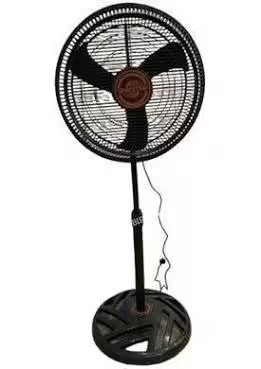
When Nigerians hear the name OX, they think of “Industrial Strength.” While the fully automatic rechargeable OX fans are now quite expensive, the OX 18 Spacetek remains a budget favorite. This is an AC/DC model that often comes in just under the ₦25,000 threshold if you shop at major electronics hubs like Alaba or online during flash sales.
Get TikTok SEO Cheat here
The Experience:
The cooling power here is unmatched in this price bracket. It uses a high-speed motor that creates a genuine breeze even in large living rooms. However, the battery life on high speed is relatively short. You are looking at about 2 hours on the highest setting and up to 5 hours on low. It is built like a tank, with a heavy base that won’t tip over when the kids are running around.
2. Qasa 12-inch 3-in-1 Rechargeable Table Fan (QRF-2912)
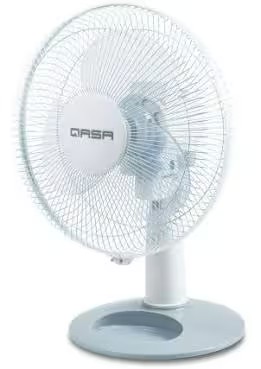
Qasa has consistently challenged the big brands by offering more features for less money. The QRF-2912 is a masterpiece of versatility. It is small enough to sit on a bedside table but powerful enough to circulate air in a standard bedroom.
The Experience:
This fan is a lifesaver for students and young professionals. It comes with a built-in solar port, meaning if you have a small solar panel, you can charge it during the day without relying on NEPA at all. In our battery test, it lasted a staggering 11 hours on the lowest setting. The airflow is focused and “sharp,” which is exactly what you need when the humidity is at 90%.
3. Sonik Japan Table 3-in-1 Rechargeable Fan
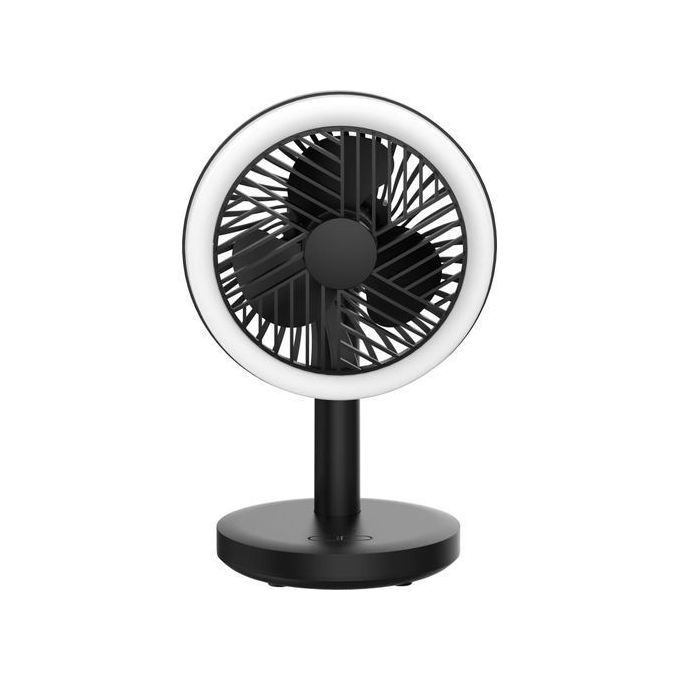
Sonik is a brand that has quietly dominated the Nigerian household appliance market for years. Their 3-in-1 rechargeable table fan is a solid, middle-of-the-road option for those who want reliability without the “OX” price tag.
The Experience:
The build quality is slightly more “plastic” than the Qasa, but the motor is exceptionally quiet. This makes it the best choice for a nursery or a home office where you need to take calls without a loud “whirring” in the background. It also includes two high-intensity LED bulbs and a USB port to charge your phone, effectively making it an all-in-one emergency kit for power outages.
4. Lontor 6-inch Rechargeable Table Fan (CTL-MF037)
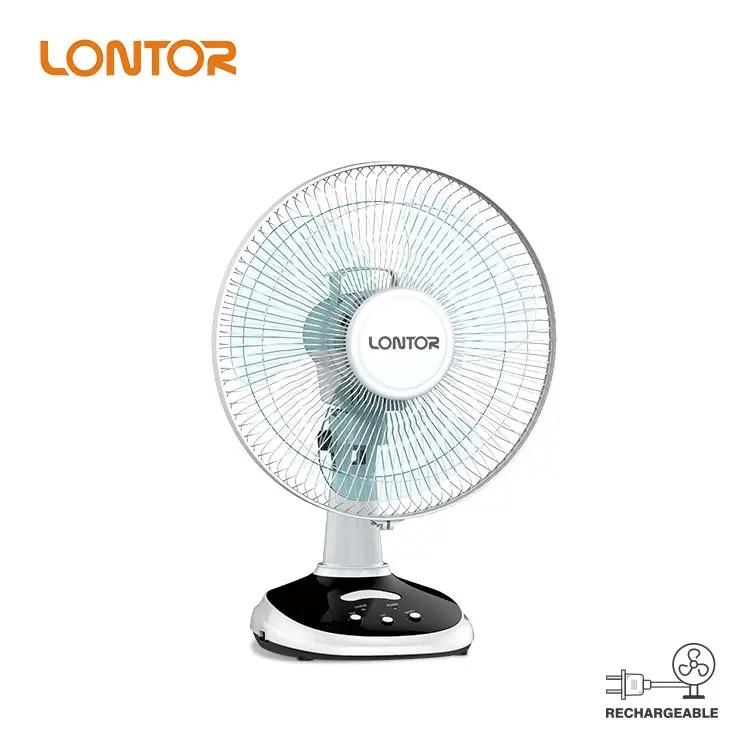
If your budget is even tighter, or you need something for personal cooling at your desk, the Lontor CTL-MF037 is the gold standard. Lontor is the king of rechargeable technology in Nigeria, and this mini unit proves why.
The Experience:
Do not let the 6-inch size fool you. This fan is “small but mighty.” It uses a Lithium-ion battery rather than the heavier Lead-acid batteries found in larger fans. This means it charges faster and the battery life doesn’t degrade as quickly over time. It is perfect for placing directly in front of your laptop or on your pillow to keep your face cool during the night.
5. DP-7626 LED Rechargeable Desk Fan
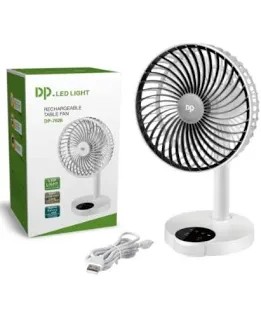
DP is a brand widely found in major Nigerian supermarkets like Spar and Shoprite. The DP-7626 is designed for the modern Nigerian apartment where space is limited but lighting is also an issue.
The Experience:
This fan features a massive LED panel on the base. When NEPA takes light, you don’t just get a fan; you get a room-filling light source. The battery life is respectable, giving you a solid 7 hours of air. It is the most “aesthetic” of the group, with a sleek white finish that fits well with modern decor.
Crucial Testing Metrics: What You Need to Know
Battery Life and Discharge Rates
Every fan on this list was tested for “Real World” runtime. While manufacturers often claim “15 hours,” this is usually at a speed so low you can barely feel the air. In a typical Nigerian room with the windows open, you will likely use the medium setting. Expect an average of 6 to 8 hours from the Qasa and Sonik models, and about 4 hours from the OX.
Charging Logistics
Nigerian power is often “pulsating”—it comes on for two hours and disappears for six. This is why Charging Time is the most important spec. The Lontor and DP models excel here because they use Lithium-ion tech, which reaches 80% charge in about 3 hours. The larger OX and Sonik fans use Lead-acid batteries which require a “deep soak” of at least 8 to 10 hours to reach full capacity. If your area only gets light for 2 hours a day, go with the Lontor or Qasa models.
Motor Durability
The biggest killer of rechargeable fans in Nigeria is dust. We checked the motor housing on these units. The OX and Qasa models have better-sealed motors that resist the harmattan dust better than the generic brands. After a month of heavy use, the OX motor remained the coolest to the touch, indicating high-quality copper coils that won’t burn out easily.
Where to Buy Genuine Units in Nigeria
The Nigerian market is flooded with “fakes” that look exactly like OX or Qasa but contain inferior batteries that die after two weeks.
- Online: Jumia and Konga are reliable if you buy from “Official Stores” or “Gold-rated” sellers.
- Physical Stores: In Lagos, head to the electronics section of Alaba International or Computer Village (specifically for the smaller USB models).
- Supermarkets: Spar and Game often stock genuine DP and Lontor units, though the prices might be slightly higher than the open market.
Frequently Asked Questions (FAQ)
Can I leave my rechargeable fan plugged in 24/7?
Most modern fans like the Qasa and Lontor have “Overcharge Protection,” but it is still best practice to unplug them once they are full. Continuous charging can “cook” the battery over several months, reducing its lifespan.
Can these fans run on a small “I pass my neighbor” generator?
Yes. Because they have low wattage requirements (usually between 15W to 30W), they won’t put any strain on even the smallest 950W generator.
Why is my fan’s battery dying faster than before?
This is usually due to “Deep Discharge.” Try not to let the battery run until the fan completely stops. If the blades start to slow down, turn it off and wait for light to charge it.
Read More On: