


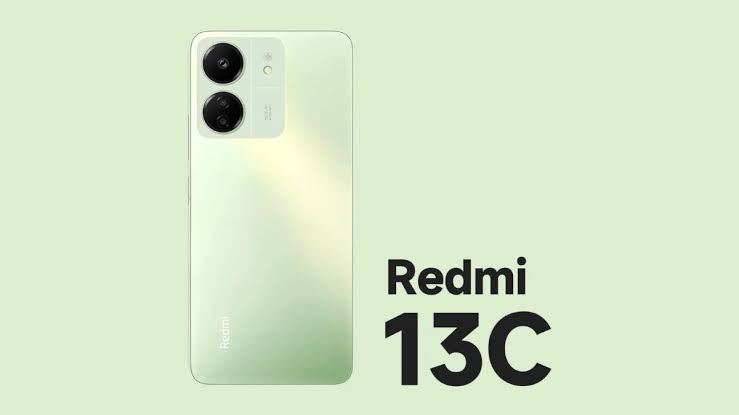
Finding a reliable smartphone in Nigeria for under ₦120,000 has become a daunting task lately. With the fluctuating exchange rates and the rising cost of electronics, most “budget” phones now feel like glorified toys. However, Xiaomi has consistently tried to bridge this gap with its Redmi C-series. The Xiaomi Redmi 13C is the latest contender aimed at students, entry-level workers, and side-hustlers who need a device that works as hard as they do without breaking the bank.
In this expressively detailed review, we are moving past the fancy marketing posters. I have spent two weeks using this device as my primary phone in the busy streets of Lagos to see if it can actually handle the heat. We will look at how it handles heavy apps like Instagram and TikTok, its performance on unstable 4G networks, and whether that 5000mAh battery can survive a full day of “no light” from the national grid. Is this truly the budget king, or just another pretty face in a crowded market? Let us find out.
Price in Nigeria and Availability
As of this moment, the Xiaomi Redmi 13C is widely available across major retail hubs in Nigeria like Computer Village in Ikeja, Slot, and various online marketplaces. The pricing is aggressive, which is Xiaomi’s signature move to undercut competitors like TECNO and Infinix.
The device comes in three main configurations to suit different budgets:
- 4GB RAM + 128GB Storage: Approximately ₦108,000
- 6GB RAM + 128GB Storage: Approximately ₦115,000
- 8GB RAM + 256GB Storage: Approximately ₦128,000 (Slightly above the 120k mark but worth the stretch for the extra space).
For the purpose of this review, we are focusing on the 6GB variant as it represents the sweet spot for most Nigerian users.
Unboxing: What Is Inside the Box?
Xiaomi keeps things practical and eco-friendly. The box is the standard white and red branding we have come to expect. Inside, you will find:
Get TikTok SEO Cheat here
- The Redmi 13C handset.
- A 10W charging brick (though the phone supports 18W fast charging).
- A USB Type-C cable.
- A SIM ejector tool.
- A Quick Start guide and warranty card.
Note that there is no protective silicone case or wired earphones in the box. You will likely need to spend an extra ₦2,000 to ₦5,000 at a local accessory shop to get a decent screen guard and pouch to protect your investment.
Design: Sophisticated and Modern
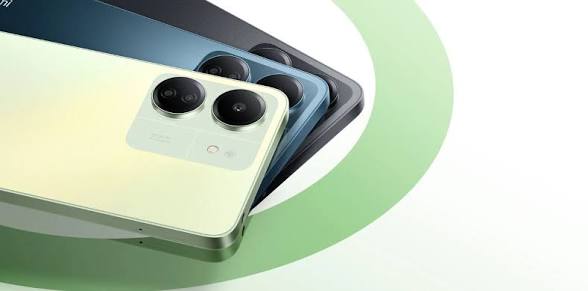
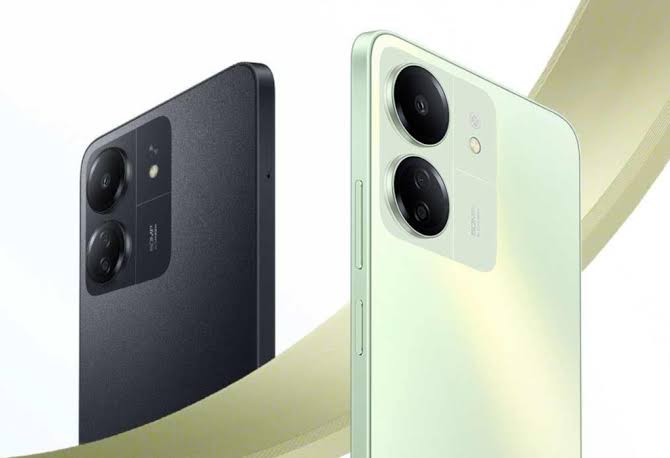
The first thing you notice about the Redmi 13C is that it does not look like a cheap phone. Xiaomi has moved away from the textured plastic of the 12C to a much smoother, matte finish that mimics the look of glass.
The flat edges give it a very modern, “iPhone-like” grip which makes it feel secure in the hand. The camera module on the back is large and bold, giving off a professional vibe. It is relatively thin and lightweight, so it will not feel like a brick in your pocket while you are commuting through traffic. The side-mounted fingerprint sensor is snappy and doubles as the power button, placed exactly where your thumb naturally rests.
Display: The 90Hz Smoothness Test
Xiaomi has finally brought a high refresh rate to its budget line. The Redmi 13C features a 6.74-inch display with a 90Hz refresh rate.
- The Smoothness: Scrolling through Facebook or X (formerly Twitter) feels significantly smoother than the standard 60Hz screens found on older budget devices.
- Brightness: At 450 nits (typical) and 600 nits (HBM), the screen is bright enough for indoor use. However, under the direct, harsh midday sun in Lagos, you might find yourself squinting or using your hand to shade the screen.
- Resolution: It is an HD+ panel. While it is not as sharp as a Full HD screen, colors are vibrant enough for watching YouTube videos or catching up on Netflix.
Performance: Gaming and Multitasking
Under the hood, the Redmi 13C runs on the MediaTek Helio G85 chipset. This is an older but very reliable 12nm processor.
- Daily Use: For everyday tasks like WhatsApp, browsing, and banking apps, the phone is very responsive. The 6GB of RAM ensures that apps stay open in the background without constant reloading.
- Gaming: I tested Call of Duty: Mobile and PUBG on this device. On “Medium” graphics settings, the gameplay is playable and relatively smooth. However, after about 30 minutes of gaming, the phone starts to get warm near the camera area, and you might notice slight frame drops. It is a great casual gaming phone, but do not expect it to run heavy games at max settings.
Redmi 13C Key Specifications Table
| Element | Details |
|---|---|
| Processor | MediaTek Helio G85 (Octa-core) |
| RAM | 4GB / 6GB / 8GB LPDDR4X |
| Internal Storage | 128GB / 256GB (Expandable via MicroSD) |
| Display | 6.74-inch IPS LCD, 90Hz Refresh Rate |
| Main Camera | 50MP Main + 2MP Macro + Auxiliary Lens |
| Selfie Camera | 8MP Front Camera |
| Battery | 5000mAh with 18W Fast Charging Support |
| Software | MIUI 14 based on Android 13 |
| Connectivity | 4G LTE, Dual SIM, USB-C, 3.5mm Jack |
Camera: Capturing the Nigerian Vibe
The 50MP main camera is the star of the show here.
- Daylight Photography: In bright outdoor light, the Redmi 13C takes surprisingly good photos. The colors are natural, and there is a decent amount of detail. It is perfect for taking those clean “Sunday Best” photos.
- Night Mode: Low-light performance is where budget phones usually fail. The Redmi 13C has a dedicated Night Mode that helps brighten up dark scenes, but you will notice some digital noise and loss of detail. It is okay for casual snaps but not for professional night photography.
- Selfie: The 8MP front camera is decent for video calls and basic selfies. It has a “Beauty Mode” that smooths out skin tones, though it can sometimes look a bit artificial if turned up too high.
Battery: The 2-Day Endurance Test
The 5000mAh battery is arguably the best feature for a Nigerian user. With our current power situation, you need a phone that can last.
- Usage: On a full charge, the Redmi 13C comfortably lasted me through a day and a half of heavy usage (4G data always on, constant WhatsApp, and some music streaming). If you are a light user, you can easily get two days out of this.
- Charging: While the phone supports 18W charging, the 10W charger in the box is slow. It takes over two hours to charge from zero to 100 percent. I highly recommend buying an 18W Xiaomi fast charger separately to cut that time down.
MIUI Software: Features and Bloatware
The phone runs on MIUI 14. It is packed with features like “Second Space” (which allows you to have two different phone profiles) and “Dual Apps.”
The downside is the “bloatware.” You will find several pre-installed games and apps you might never use. Also, Xiaomi’s system apps sometimes show ads. You can disable most of these in the settings, but it takes a bit of technical “tinkering” to get a clean experience.
Redmi 13C vs. TECNO Spark 50
In the Nigerian market, the biggest rival to the 13C is the TECNO Spark 50.
The Spark 50 often features a more “trendy” design and sometimes includes a free case in the box. However, the Redmi 13C usually wins on software longevity and the optimization of the Helio G85 chip. While TECNO’s HiOS has improved, MIUI still feels a bit more mature for power users who like to customize their experience. If you want a more “flashy” look, go for TECNO. If you want a more stable, long-term performer, the Redmi 13C takes the lead.
Is It the Budget King?
The Xiaomi Redmi 13C is a solid, dependable workhorse. It does not try to be a flagship, but it gives you exactly what you need for under ₦120,000. It offers a modern design, a smooth 90Hz screen, and a battery that refuses to die.
The main drawbacks are the slow in-box charger and the presence of ads in the software. But at this price point, these are small sacrifices. If you are looking for a reliable primary phone or a very capable second device, the Redmi 13C is currently the best value for your money in the Nigerian market.
Frequently Asked Questions (FAQ)
Does the Redmi 13C support 5G?
No, it is a 4G LTE device. 5G phones in Nigeria are currently priced much higher than the 120k budget.
Can I use two SIM cards and a Memory card at the same time?
Yes, the Redmi 13C has a dedicated triple slot, so you do not have to choose between a second SIM and more storage.
Is the screen glass or plastic?
The screen is glass (Corning Gorilla Glass protected), but the back and the frame are made of high-quality plastic.
Where can I buy the original Redmi 13C?
You can purchase it at any authorized Xiaomi store, Slot, Pointek, or online via Jumia and Konga. Always check for the NAFDAC and official Xiaomi holographic seal to ensure you are not buying a gray-market unit.
Read More On: