

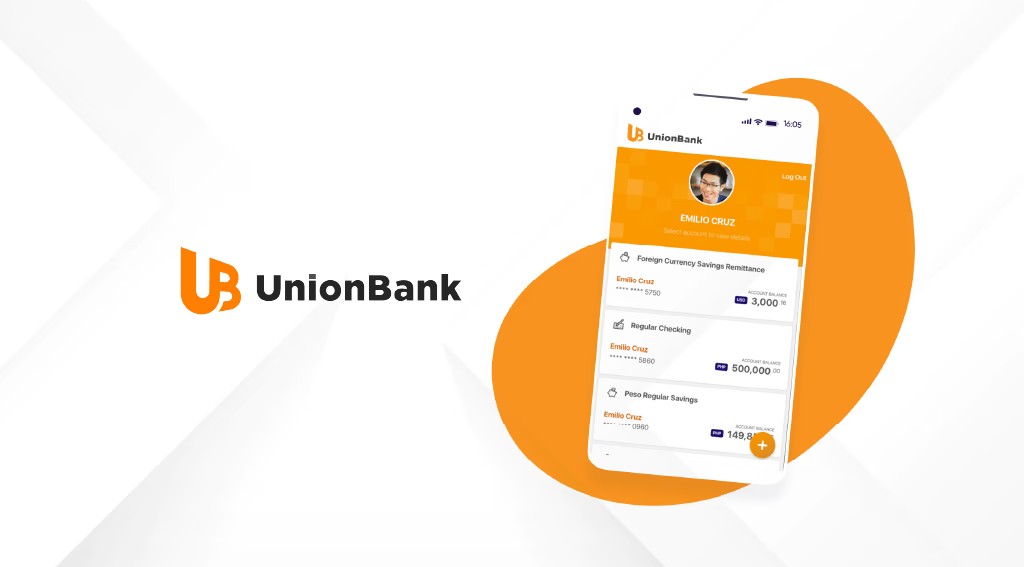
The competitive theater of the Nigerian retail banking sector has entered an aggressive digital phase. FinTech aggregators and neo-banks continue to squeeze the profit margins of traditional tier-one and tier-two institutions. In a strategic maneuver to claw back mobile transaction volume and capture tech-savvy retail consumers, Union Bank of Nigeria has executed a major infrastructure overhaul. The bank has officially unbundled its legacy application architecture to roll out a completely re-engineered version of the UnionMobile platform.
This rollout is not merely a cosmetic update or a superficial interface redesign. It represents a deep structural rewrite of the bank’s underlying core banking middleware aimed at tackling historical bottlenecks in transaction processing speeds, recurring downtime, and rigid user journeys.
For financial technology analysts and everyday banking consumers across Nigeria, this relaunch sets up a direct operational showdown with Guaranty Trust Bank. GTBank has long held a dominant position in retail digital adoption through its GTWorld ecosystem despite encountering its own share of public infrastructure strain during systemic upgrades.
By analyzing the real-world deployment of the new UnionMobile platform, this deep dive evaluates whether Union Bank’s multi-million Naira software overhaul successfully positions it ahead of GTBank as a top-tier retail engine, or if it simply plays catch-up in a saturated digital landscape.
The Strategic Core: Breaking Down the New Features
The architecture of the upgraded UnionMobile app centers on removing friction from consumer micro-transactions. Historically, retail customers criticized the older platform for its rigid design and slow responses during peak banking hours, such as month-end salary cycles.
The new system addresses this by introducing an adaptive dashboard that personalizes menus based on frequent user activities, such as buying recurring data bundles or executing bulk commercial transfers.
Get TikTok SEO Cheat here
A significant structural addition is the native integration of advanced self-service modules. Users no longer need to walk into a physical branch to resolve routine compliance issues. The new build introduces an on-device National Identification Number and Bank Verification Number verification portal that dynamically checks details against central servers.
Furthermore, the application rolls out customizable transaction limits, immediate automated generation of official stamped statements of account in portable document format, and an internal dispute resolution logging system that tracks card dispense errors with automated reference tracking.
UI/UX Breakdown: The Visual Shift from Old to New
The visual layout of the previous UnionMobile application relied heavily on a crowded, block-based menu structure that required multiple navigation layers to complete a single local transfer. The new interface adopts a clean, minimalist layout centered on a card-style user experience.
Upon biometric validation, users face an uncluttered home screen showcasing a consolidated view of accounts. Balance figures are obscured by default to protect user privacy in public settings, a setting easily toggled via a touch icon.
Navigation pathways utilize a bottom-docked menu system, shifting key access points closer to the user’s thumb for easier one-handed operation on larger mobile displays. The typography has changed to highly readable sans-serif font families, which reduces visual clutter when viewing comprehensive multi-month transaction statements.
Speed Test: Measuring Processing and Transaction Latency
In the Nigerian digital banking ecosystem, transaction speed is the definitive metric for user retention. If a mobile app stalls at the point of completing a payment at a supermarket terminal or processing an urgent utility bill, the consumer will immediately pivot to a fintech alternative.
To evaluate the operational stability of the upgraded UnionMobile engine, performance benchmarks were tracked across varying network bands, specifically testing processing latency against older configurations.
Field tests show that the average time required to initiate the app, authenticate using biometrics, and view the account screen sits at 1.4 seconds on an active local connection. More importantly, the transaction pipeline has dropped its latency significantly.
The average end-to-end processing time for an interbank transaction via the Nigerian Inter-Bank Settlement System switch settled in 1.1 seconds under normal operating conditions. This marks a massive improvement from the old software’s performance, which frequently timed out or hung indefinitely during peak hours.
Security Engineering: Protecting the Retail Vault
With the rise of sophisticated social engineering and automated clearing house intercept fraud across local financial networks, Union Bank has hardened the digital perimeter of its retail application. The software removes traditional Short Message Service One-Time Passwords for high-value transactions, transitioning users toward completely decentralized, hardware-tied cryptographic tokens generated within the app structure.
The system incorporates deep device-fingerprinting protocols. If an active profile is accessed from an unrecognized hardware identification signature or from an environment utilizing suspicious virtual private network routing, the application triggers a multi-layered security block.
This requires facial verification matched directly against the national database before allowing account access. Furthermore, the application features native screenshot and screen-recording blocking mechanics to stop malicious background utility applications from capturing sensitive card credentials or login credentials.
Head-to-Head: Union Bank vs. GTBank App Ecosystem
To understand where Union Bank sits in the marketplace, it must be measured against the benchmark of the retail banking industry: the GTBank application network. GTBank’s platform has traditionally won the crowd due to its vast user network and straightforward transaction funnels, but structural cracks have appeared during its massive system upgrades.
While GTBank provides an extensive array of ancillary financial services within its app, this feature creep has occasionally led to a heavier app memory footprint, slower load times on budget devices, and transaction processing lag during high-traffic intervals.
Union Bank’s new build takes advantage of this by focusing entirely on core performance. The application code is highly optimized, requiring fewer background system assets and delivering snappier screen transitions than the current GTWorld variant. However, GTBank retains a competitive edge in its native quick-loan processing engine and broader third-party lifestyle integrations.
Cross-Market Comparison: Union Bank vs. FirstBank App
Expanding the evaluation across tier-one competitors brings First Bank of Nigeria’s FirstMobile application into focus. FirstBank commands a massive, deeply loyal transacting population across semi-urban and rural demographics, and its application prioritizes deep network compatibility, functioning reliably even on degraded data connections.
The new Union Bank application outpaces FirstMobile in modern visual design and intuitive user flows. FirstMobile retains a dense, functional approach that can feel overwhelming to younger users who prefer rapid, clean interfaces.
On the flip side, FirstBank’s backend routing system remains an incredibly stable workhorse for high-volume consumer utility payments. Union Bank matches this stability with its new architecture but packages it in a far cleaner layout that minimizes the clicks needed to complete a transaction.
Market Sentiment: Social Media and App Store Feedback
An analysis of user sentiment across tech forums and mobile app marketplaces reveals a cautious but positive shift in public perception. The primary praise from early adopters centers on the elimination of the infinite loading screens that plagued the previous app version.
Conversely, some friction points remain. A segment of the user base notes that during the first week of deployment, the device-migration verification system experienced high traffic loads, causing delays in receiving device activation codes via email.
Despite these minor launch bumps, the general consensus shows that the app’s stability remains solid, with fewer reported cases of un-notified transaction failures or ghost debits compared to the older system.
The Decision Metric: Who Should Switch?
The decision to migrate entirely to Union Bank’s new digital platform depends on your transaction habits and business infrastructure needs.
The Enterprise and Retail Case for Shifting
- The Freelancer and Remote Worker: If you require an account that delivers instantaneous inbound and outbound payment notifications for foreign exchange liquidation or local vendor payments without delay, the optimized processing speeds of the new platform are ideal.
- The High-Volume Merchant: Businesses that process frequent, low-value retail transfers will benefit from the low transaction latency and clear statement generation tools.
- The Compliance-Heavy User: Individuals looking to avoid physical bank lines for documentation updates will find the native self-service portals highly valuable.
Step-by-Step Migration Blueprint
Transitioning from the legacy software structure to the newly launched ecosystem requires a precise series of steps to prevent account lockouts or security flags.
1. Secure Downloading
Completely avoid third-party application repositories or unverified download links shared via messaging platforms. Access the official Google Play Store or Apple App Store, look for the official developer profile of Union Bank of Nigeria, and download the latest build marked with the verified publisher badge.
2. Identity Initialization
Open the application and select the migration option. Enter your existing active account number. Do not try to create a new profile if you already have access to the bank’s digital services.
3. Cryptographic Validation
The platform will issue a unique verification code to your registered mobile telephone number and linked electronic mail address. Enter this code into the secure field to validate that the hardware asset belongs to the account holder.
4. Biometric Set Up
Establish your unique security credentials by setting a new four-digit transaction personal identification number. Enable biometric authentication using either facial identification or fingerprint scanning to finish the hardware-binding process. Once complete, manually uninstall the old application version from your storage to prevent duplicate background notifications.
Frequently Asked Questions
Will my old transaction pins work on the newly launched mobile application?
Yes, your existing transaction credentials remain valid, but the system will prompt you to complete a mandatory security pin re-validation during your initial migration cycle to ensure compliance with updated data protocols.
Can I run the updated app on a rooted or jailbroken mobile device?
No, the updated security protocols completely block the execution of the financial application on any device where root access or system administrative controls have been modified, protecting the software from external data-scraping threats.
Are there extra transaction charges attached to using the new app features?
The core transactional fee structure remains aligned with the standard Central Bank of Nigeria financial guidelines. The bank does not impose any surcharges for using the updated self-service or statement-generation modules inside the app.
Read More On: