
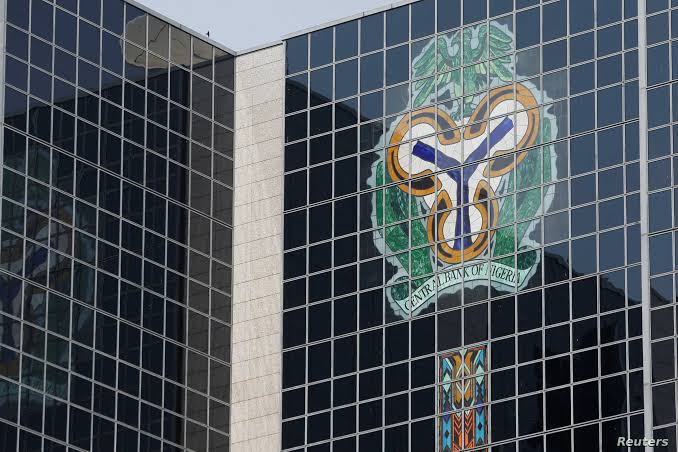
Nigeria’s financial and legal ecosystem is on the verge of a significant shift as the Central Bank of Nigeria introduces a bold proposal aimed at reducing the growing burden of loan related litigation across the country.
The apex bank is pushing for the establishment of a structured mediation panel that would serve as a mandatory first step before any loan dispute can proceed to the courtroom. This move signals a broader transition toward faster, less adversarial dispute resolution within Nigeria’s banking sector.
The proposal comes at a time when loan disputes between banks, borrowers, and financial institutions are becoming more frequent, often dragging through lengthy legal processes that strain both the judiciary and the economy.
A Shift from Courtroom Battles to Structured Mediation
At the core of this new initiative is a simple but powerful idea. Instead of rushing to court at the first sign of disagreement, both lenders and borrowers will be required to attempt resolution through mediation.
Get TikTok SEO Cheat here
This proposed system is designed to create a more balanced and efficient dispute resolution framework. It reflects global best practices where Alternative Dispute Resolution methods are increasingly preferred over traditional litigation.
The mediation panel is expected to function as a neutral ground where disputes can be examined objectively, with the goal of reaching mutually acceptable outcomes.
Key elements of the proposal include
• Mandatory pre litigation mediation for loan disputes
• Neutral third party mediators approved within the financial system
• Structured timelines to prevent unnecessary delays
• Legal recognition of mediated settlements
This approach is expected to reduce hostility between parties while preserving business relationships that would otherwise be destroyed in court battles.
Why the CBN Is Introducing This Reform
The decision by the Central Bank to push for mediation before litigation is not happening in isolation. It is a direct response to several challenges currently facing Nigeria’s financial system.
One major issue is the rising number of loan related disputes. These conflicts often stem from
• Loan repayment disagreements
• Breach of contract claims
• Disbursement delays or inconsistencies
• Disputes over collateral and loan conditions
Recent cases in Nigeria highlight how complex and prolonged these disputes can become. For instance, courts have increasingly encouraged mediation even without a formal mandate. In one case involving a loan dispute between a firm and the Bank of Industry, the court referred both parties to mediation after they expressed willingness to settle amicably
This growing reliance on mediation within the judiciary likely influenced the CBN’s decision to formalize the process.
Another key factor is the pressure on Nigeria’s judicial system. Loan disputes often take years to resolve, tying down capital and creating uncertainty for businesses.
By introducing a mediation first approach, the CBN aims to
• Decongest the courts
• Speed up dispute resolution
• Improve financial system stability
• Encourage responsible lending and borrowing practices
How the Proposed Mediation Panel Will Work
Although full implementation guidelines are still being finalized, the structure of the mediation panel is expected to follow a clear operational framework.
The process will likely involve
- Filing of Complaint
The aggrieved party submits a formal complaint regarding a loan dispute - Referral to Mediation Panel
The case is automatically assigned to an approved mediation body - Engagement of Both Parties
Both lender and borrower are required to participate in mediation sessions - Negotiation Phase
A neutral mediator facilitates discussions to reach a compromise - Resolution or Escalation
If an agreement is reached, it becomes binding
If mediation fails, the case can proceed to court
This structured flow ensures that litigation becomes a last resort rather than the first option.
Read More On: Nigeria’s AKK Pipeline Set to Deliver Gas to Abuja
Impact on Banks and Financial Institutions
For commercial banks and lending institutions, this proposal introduces a new layer of accountability and operational discipline.
Banks will now need to
• Strengthen internal dispute resolution mechanisms
• Maintain clearer loan documentation
• Improve communication with borrowers
• Prepare for mediation processes before legal escalation
The policy is also expected to reduce legal costs significantly. Instead of spending years in court, banks can resolve disputes faster, allowing them to refocus on core financial activities.
At the same time, mediation may expose weaknesses in loan management practices, pushing institutions to adopt more transparent and customer friendly approaches.
What This Means for Borrowers and Businesses
For borrowers, especially small and medium enterprises, this reform could be transformative.
Many businesses struggle to defend themselves in court due to
• High legal fees
• Complex legal procedures
• Limited financial resources
With mediation, borrowers gain access to a more accessible and less intimidating dispute resolution platform.
Key benefits for borrowers include
• Faster resolution of disputes
• Reduced legal expenses
• Opportunity to renegotiate loan terms
• Preservation of business relationships
This is particularly important in a fragile economic environment where businesses need flexibility rather than prolonged legal battles.
Economic and Legal Implications
The introduction of a mandatory mediation framework has far reaching implications beyond individual disputes.
From an economic standpoint, the policy could
• Improve credit recovery rates for banks
• Reduce non performing loans
• Enhance investor confidence in Nigeria’s financial system
• Promote a healthier lending environment
From a legal perspective, it represents a shift toward modern dispute resolution practices. Courts may increasingly focus on complex cases while routine financial disputes are handled outside the courtroom.
This aligns Nigeria with global financial systems where mediation and arbitration play a central role in commercial dispute resolution.
Read More On: Ecobank Records Over ₦1 Trillion Profit as Customer Deposits Surge in Landmark Performance
Challenges and Concerns
Despite its potential benefits, the proposal is not without challenges.
Some stakeholders have raised concerns about
• Enforcement of mediation outcomes
• Potential bias in mediator selection
• Compliance by unwilling parties
• Legal clarity on binding agreements
There is also the question of infrastructure. For the system to work effectively, Nigeria will need
• Well trained mediators
• Standardized procedures
• Strong regulatory oversight
• Public awareness of the new system
Without these elements, the mediation panel could face implementation hurdles.
A Growing Trend Toward Out of Court Settlements
The move by the Central Bank reflects a broader trend already visible within Nigeria’s legal and financial systems.
In several high profile disputes involving financial institutions, parties have increasingly opted for out of court settlements to avoid prolonged litigation
This trend shows a clear preference for faster, more flexible solutions that preserve value for all parties involved.
By institutionalizing mediation, the CBN is effectively formalizing what is already becoming common practice.
The Bigger Picture for Nigeria’s Financial Future
The proposed mediation panel represents more than just a procedural change. It signals a deeper transformation in how financial conflicts are managed in Nigeria.
If successfully implemented, this reform could
• Redefine lender borrower relationships
• Encourage ethical lending practices
• Strengthen trust in the financial system
• Position Nigeria as a forward thinking financial hub
It also reflects a shift in regulatory philosophy. Instead of focusing solely on enforcement, the Central Bank is now emphasizing resolution, collaboration, and system efficiency.
Conclusion
The proposal by the Central Bank of Nigeria to introduce a mediation panel before loan dispute lawsuits marks a significant turning point in the country’s financial regulation landscape.
By prioritizing dialogue over litigation, the apex bank is laying the foundation for a more efficient, fair, and sustainable dispute resolution system.
While challenges remain, the potential benefits for banks, businesses, and the broader economy are substantial. If properly executed, this initiative could become one of the most impactful financial sector reforms in recent years.
Read More On: Lagos Youths Drive ₦4.5 Trillion Annual Contribution to State Economy