
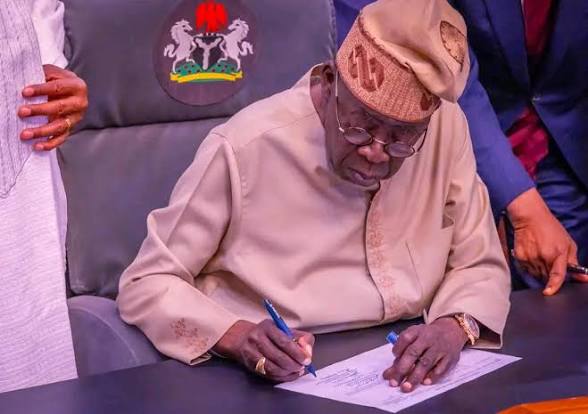
The proposed superhighway is not just another road project, it is being framed as a strategic economic corridor that could redefine how goods, people, and capital move across Nigeria.
Stretching approximately 1,000 kilometres, the route is designed to connect the agrarian North-West to the commercial nerve center of the South-West. From Illela in Sokoto State to Badagry in Lagos, the road will cut across key economic zones including Kebbi, Niger, Kwara, Oyo, and Ogun.
But beyond the geography lies a much deeper promise.
Rewiring Nigeria’s Economic Arteries
Government insiders describe the Sokoto–Badagry Superhighway as a logistical revolution in waiting, a project capable of unlocking dormant economic potential across multiple regions.
Get TikTok SEO Cheat here
At present, transporting agricultural produce from the North to southern markets is plagued by poor road conditions, delays, and high logistics costs. Perishable goods often spoil before reaching urban consumers, contributing to inflation and food insecurity.
This highway, if realized, aims to:
- Slash travel time dramatically, reducing the Sokoto–Lagos journey from an exhausting full-day trip to nearly half that duration.
- Create a seamless trade corridor, enabling faster movement of grains, livestock, and manufactured goods.
- Integrate future infrastructure, including fiber optic cables and potential rail systems running alongside the highway.
- Stimulate regional economies, especially in underdeveloped zones that currently lack efficient transport links.
For proponents, the project is not merely about asphalt, it is about national cohesion, food security, and economic competitiveness.
Complex, Calculated, Controversial
The financing arrangement behind the project reveals a carefully structured yet highly scrutinized plan.
The loan is expected to be sourced through a consortium led by Deutsche Bank AG, one of the world’s most prominent financial institutions. To mitigate risks, the facility is backed by the Islamic Corporation for the Insurance of Investment and Export Credit, providing a layer of security for lenders.
Key Financial Elements:
- Tenure: Structured over nearly a decade
- Grace Period: Initial years allowing repayment deferral
- Interest Benchmark: Pegged to global lending standards with an added margin
- Domestic Commitment: A substantial ₦265.5 billion counterpart funding, covering land acquisition, compensation, and preparatory works
While this framework appears robust on paper, it introduces a pressing concern: Nigeria’s growing dependence on external borrowing.
For many economists, the real issue is not just the loan itself but the pattern.
“A Dangerous Fiscal Gamble”
Opposition voices have not held back.
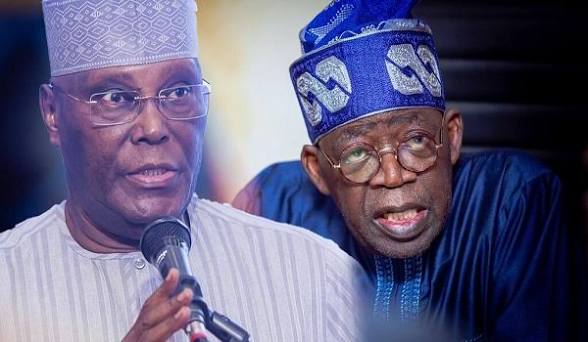
Former Vice President Atiku Abubakar has emerged as one of the most vocal critics, describing the move as fiscally irresponsible. His argument centers on a critical question:
Why borrow heavily at a time when global oil prices are favorable?
Critics argue that Nigeria should be leveraging increased oil revenues to fund infrastructure directly, rather than accumulating more debt that future generations will bear.
Adding to the chorus, Seun Onigbinde, head of the civic tech organization BudgIT, warned that bad loans can be more damaging than wasted income.
He pointed to a troubling reality:
- Numerous road projects across the country remain abandoned or incomplete
- Borrowed funds in the past have not always translated into tangible, lasting infrastructure
- Weak oversight mechanisms often lead to cost overruns and inefficiencies
For these critics, the superhighway risks becoming another symbol of ambitious planning without disciplined execution.
Transparency Under the Microscope
Beyond the financial concerns lies an even more sensitive issue, procurement transparency.
Civil society organizations have raised red flags over the absence of competitive bidding, a process widely regarded as essential for ensuring value for money.
The fear is simple but significant:
Without open and competitive procurement, large-scale projects risk being plagued by:
- Inflated contract costs
- Favoritism in contractor selection
- Reduced accountability in execution
Many stakeholders are now looking toward the National Assembly, particularly under the leadership of Godswill Akpabio, to act not merely as an approving authority, but as a critical safeguard against fiscal excesses.
“A Long-Overdue National Priority”
Amid the backlash, support for the project remains strong in certain quarters.
Senator Adamu Aliero emphasized that the Sokoto–Badagry route has existed in national planning discussions for decades, making its execution not just timely, but overdue.
Supporters argue from a different economic lens:
- Infrastructure projects of this scale are self-liquidating investments
- Improved logistics will expand the tax base
- Job creation during and after construction will stimulate economic activity
- Enhanced connectivity will attract private sector investment
To them, the cost of inaction may be far greater than the burden of borrowing.
hat Nigerians Are Saying
Away from government chambers and policy debates, ordinary Nigerians are processing the news through a more personal lens.
In Lagos markets, traders worry about rising taxes and inflation that often accompany increased borrowing.
In northern farming communities, there is cautious optimism, hope that better roads could finally mean fairer prices and less waste.
Yet, a common thread runs through these conversations:
Trust.
Many Nigerians are not necessarily opposed to the project itself, but remain skeptical about whether it will be completed efficiently, transparently, and without hidden costs.
Sokoto–Badagry Superhighway At a Glance
| Detail | Specification |
|---|---|
| Proposed Loan | $516.3 million |
| Lead Financier | Deutsche Bank AG |
| Insurance Backing | ICIEC |
| Counterpart Funding | ₦265.5 billion |
| Project Length | ~1,000 km |
| States Covered | Sokoto, Kebbi, Niger, Kwara, Oyo, Ogun, Lagos |
| Expected Impact | Reduced travel time, improved trade, economic integration |
Between Promise and Prudence
As deliberations continue within legislative circles, the Sokoto–Badagry Superhighway has become more than just an infrastructure proposal, it is now a litmus test for Nigeria’s economic direction.
At its core lies a difficult balancing act:
- The urgent need for modern infrastructure
- The equally pressing need for fiscal discipline and transparency
For a nation striving to stabilize its economy while pursuing growth, the decisions made on this single project could echo far beyond the highway itself.
In the end, the debate is not just about a road.
It is about how Nigeria chooses to build its future, and at what cost.
Read More On: