
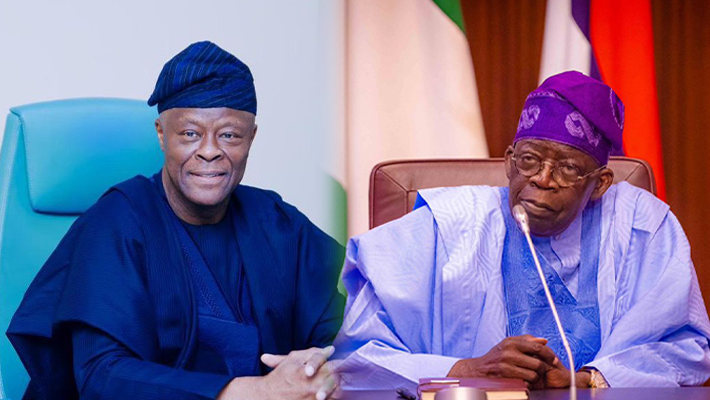
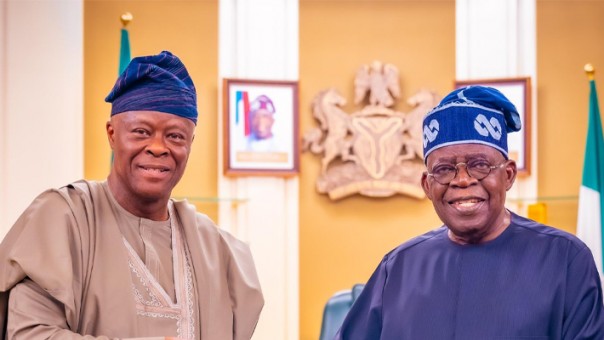
Nigeria’s economic leadership has entered a defining new chapter following the official exit of Wale Edun as Coordinating Minister of the Economy and Minister of Finance. His departure comes as part of a broader cabinet restructuring initiated by Bola Ahmed Tinubu, a move widely interpreted as an effort to recalibrate the administration’s economic direction at a critical stage of reform implementation.
The transition marks the end of a 32 month tenure that has been described by analysts as one of the most consequential and controversial periods in Nigeria’s modern fiscal history. It also ushers in a new phase under Taiwo Oyedele, who now assumes responsibility for steering the country through the next stage of economic consolidation and expansion.
A Defining Exit After a Period of Economic Turbulence
When Wale Edun assumed office in 2023, Nigeria’s economy was widely considered to be under severe structural strain. The fiscal system was burdened by unsustainable subsidy payments, declining investor confidence, and a fragmented foreign exchange regime that created uncertainty for businesses and investors alike.
From the outset, Edun made it clear that his mission was not incremental adjustment but systemic overhaul. He openly described the economic framework he inherited as deeply flawed, requiring bold and immediate intervention rather than gradual reform.
Get TikTok SEO Cheat here
His exit therefore represents more than a routine political transition. It signals the closing of a chapter defined by aggressive policy decisions that fundamentally altered how Nigeria manages revenue, spending, and market forces.
In his farewell remarks, Edun expressed gratitude to President Tinubu, emphasizing that the reforms undertaken were necessary to reposition the country for long term stability, even though they came with significant short term discomfort for citizens.
Structural Reforms That Redefined Fiscal Policy
At the heart of Edun’s tenure were two major policy decisions that reshaped Nigeria’s economic architecture.
Foreign Exchange Unification
One of the most far reaching actions taken under his leadership was the consolidation of multiple exchange rate windows into a single, market driven system.
Before this reform, Nigeria operated a fragmented foreign exchange structure where different sectors accessed dollars at different rates. This created inefficiencies, encouraged arbitrage, and discouraged foreign investment.
The unification policy aimed to restore transparency and allow market forces to determine the value of the naira. While this led to an initial depreciation of the currency, it also removed long standing distortions that had undermined economic planning.
Removal of Fuel Subsidies
Equally significant was the removal of the fuel subsidy regime, a policy that had consumed vast portions of government revenue for years.
Edun consistently argued that the subsidy system disproportionately benefited a small segment of the population while draining public finances. Its removal freed up substantial fiscal resources that could be redirected toward infrastructure, social programs, and debt management.
Quantifying the Impact
During his final briefing, Edun highlighted that these combined reforms generated an estimated savings of around 20 billion dollars for the federation.
Beyond savings, he pointed to measurable improvements in macroeconomic indicators:
- Economic growth rose from approximately 2 percent to above 4 percent
- Inflation, which had surged during the transition period, began showing signs of moderation with projections trending toward 15 percent
- Debt servicing pressures eased due to improved fiscal discipline and refinancing strategies
These figures, while still subject to debate among economists, form a central part of his policy legacy.
Balancing Reform with Social Protection
While Edun’s reforms were largely market oriented, his tenure also included efforts to cushion their social impact.
Recognizing that policy shifts such as subsidy removal would increase the cost of living, the administration introduced targeted interventions designed to support vulnerable populations.
Key Social and Institutional Initiatives
- Conditional Cash Transfer Programs
These were designed to provide direct financial support to low income households, helping them navigate the economic adjustments triggered by reform policies. - Presidential CNG Initiative
This program promoted the use of compressed natural gas as a more affordable alternative for transportation, aiming to reduce the burden of rising fuel costs. - Reform of Government Asset Management
Through the digital transformation of the Ministry of Finance Incorporated, the government sought to improve transparency and efficiency in managing national assets.
These initiatives reflected an attempt to strike a balance between fiscal discipline and social responsibility, though their effectiveness continues to be debated in policy circles.
Rising Tensions and Policy Friction
Despite his achievements, Edun’s tenure was not without controversy.
As reforms progressed, internal disagreements began to surface within government institutions and the legislature.
Concerns Over Capital Budget Implementation
One of the most persistent criticisms centered on the pace of capital expenditure.
Lawmakers and stakeholders raised concerns that delays in releasing funds for infrastructure projects were affecting economic activity and undermining development goals.
Legislative Criticism
In early 2026, members of the National Assembly publicly questioned the implementation rate of the capital budget, with some describing it as insufficient relative to national needs.
These criticisms contributed to growing pressure on the administration to reassess its approach and inject new momentum into economic governance.
While no official statement directly links these tensions to Edun’s exit, analysts widely view them as part of the broader context surrounding the cabinet reshuffle.
Taiwo Oyedele Takes Charge

With Edun’s departure, Taiwo Oyedele steps into one of the most critical roles in Nigeria’s government.
Oyedele is not new to the economic reform space. As former Minister of State for Finance and head of the Presidential Committee on Fiscal Policy and Tax Reform, he played a central role in shaping tax modernization efforts.
What His Appointment Signals
His elevation suggests a strategic pivot toward:
- Simplifying Nigeria’s tax system
- Expanding the tax base without overburdening small businesses
- Enhancing revenue generation through efficiency rather than increased rates
- Strengthening investor confidence through clearer fiscal policies
He inherits an economy that has already undergone significant restructuring, but one that still faces major challenges, including inflation management, job creation, and sustained growth.
A Critical Handover Period
According to the official directive issued by the Office of the Secretary to the Government of the Federation, led by George Akume, the transition process is expected to be completed within a tight timeframe.
Edun has pledged full cooperation to ensure a smooth handover, emphasizing the importance of continuity in maintaining the progress achieved so far.
What This Means for Nigeria’s Economic Future
The departure of Wale Edun and the appointment of Taiwo Oyedele represent more than a change in personnel. They reflect an evolving strategy within the administration as it seeks to consolidate gains and address emerging challenges.
Key Questions Moving Forward
- Will the next phase focus more on growth stimulation or fiscal tightening
- How will tax reforms impact businesses and consumers
- Can inflation be sustainably reduced without slowing economic expansion
- Will investor confidence continue to improve under new leadership
These questions will shape Nigeria’s economic trajectory in the coming years.
The End of One Era, the Beginning of Another
Wale Edun leaves office as a central figure in one of the most ambitious economic reform periods in Nigeria’s history. His policies have redefined fiscal management, introduced difficult but necessary changes, and laid a foundation for future growth.
At the same time, the challenges that remain highlight the complexity of economic transformation in a developing economy.
As Taiwo Oyedele steps into the role, the focus now shifts from restructuring to optimization. The success of this transition will determine whether the reforms of the past three years translate into long term prosperity for millions of Nigerians.
For citizens, businesses, and investors alike, the message is clear. Nigeria’s economic journey is far from over. It is simply entering a new and equally critical phase.
Read More On: