

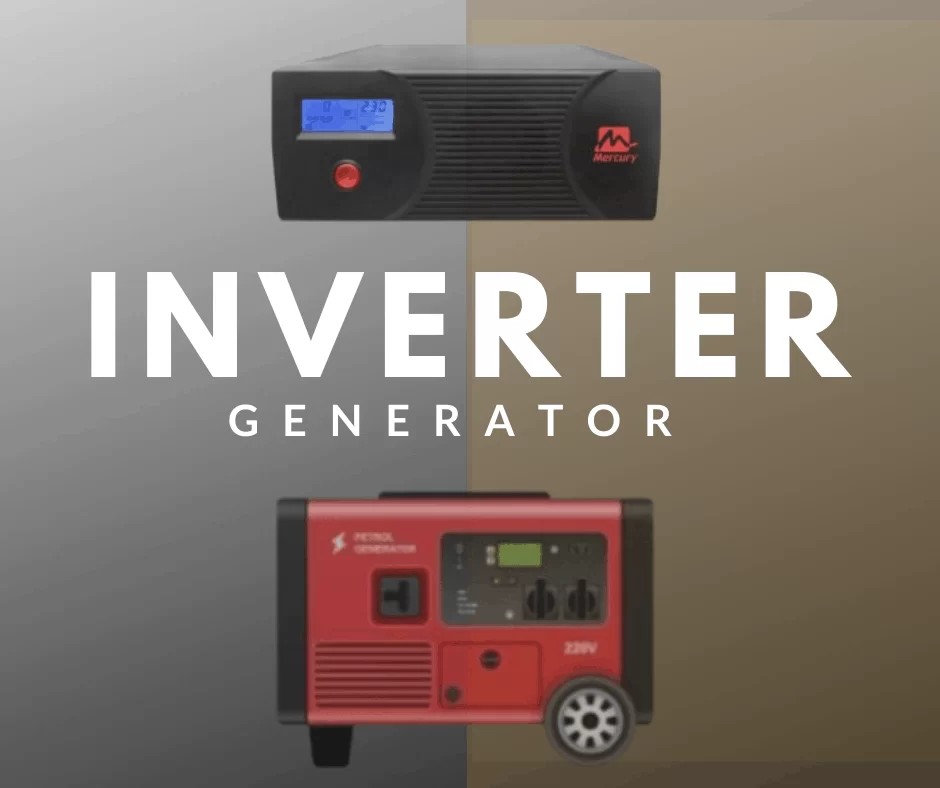
The Nigerian energy landscape is currently undergoing a massive shift. For years, the deafening roar of “I-pass-my-neighbor” generators and the thick clouds of carbon monoxide they emit were the unofficial soundtrack of Nigerian business districts and residential streets. However, as fuel prices continue to fluctuate and the sensitivity of modern electronics increases, a new technology is taking over. The inverter generator has moved from being a luxury item to a non-negotiable tool for the modern Nigerian professional and small business owner.
Unlike traditional open-frame generators that run at a constant high speed regardless of the load, inverter generators utilize advanced circuitry to throttle the engine up and down based on demand. This doesn’t just save fuel; it produces “clean” electricity. If you have ever noticed your light bulbs flickering or your stabilizer clicking incessantly on a regular generator, you are witnessing “dirty” power that can fry the delicate motherboards of your MacBook, your 4K television, or your 5G router. This guide deep dives into why this technology is winning and which specific models are currently dominating the Nigerian market.
Inverter Generator Vs Regular Generator Nigeria
The fundamental difference between these two machines lies in how the electricity is manufactured. A regular generator produces AC power directly from the alternator, which is prone to harmonic distortion. An inverter generator takes that raw power, converts it to DC, and then “inverts” it back into a perfect, stable AC sine wave.
In a country where fuel is a major overhead cost for small businesses, the “Eco-Mode” feature on inverter models is a game changer. When you are only charging a laptop and a few fans, the engine slows down to a whisper, consuming a fraction of the petrol a standard generator would. Additionally, the noise pollution factor is significant. Most inverter models are “fully encapsulated,” meaning they are housed in sound-dampened plastic shells that allow you to hold a normal conversation standing right next to them.
Get TikTok SEO Cheat here
Comparison Of Top Inverter Generators In Nigeria
| Brand and Model | Power Output | Fuel Tank Capacity | Noise Level | Estimated Price Range |
|---|---|---|---|---|
| Honda EU22i | 2.2 kVA | 3.6 Liters | 48 to 57 dB | ₦1,200,000 to ₦1,500,000 |
| Haier Thermocool IG2000W | 1.8 kVA | 4.2 Liters | 52 to 60 dB | ₦650,000 to ₦850,000 |
| Firman SPG2000i | 2.0 kVA | 4.0 Liters | 54 to 62 dB | ₦550,000 to ₦700,000 |
| Sumec Firman Mi2000v | 1.6 kVA | 3.5 Liters | 50 to 58 dB | ₦480,000 to ₦600,000 |
| Lontor 1.2kW Inverter | 1.2 kVA | 3.0 Liters | 52 to 59 dB | ₦350,000 to ₦450,000 |
Detailed Analysis Of The Best Inverter Generators
Honda Inverter Generator
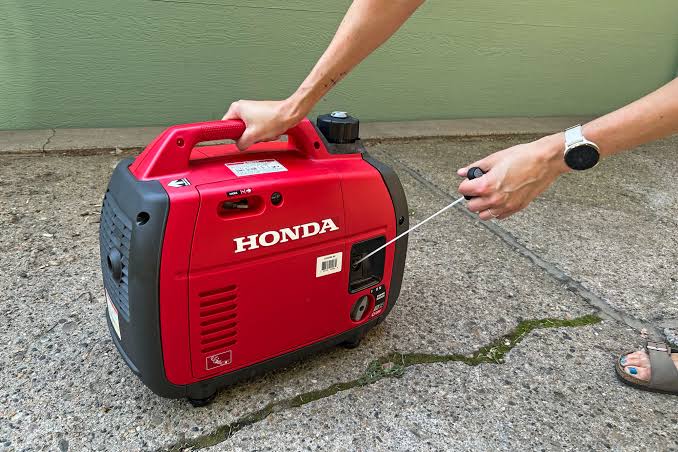
When it comes to reliability and “whisper-quiet” operation, Honda remains the undisputed leader. The Honda EU22i is a legendary piece of kit that many Nigerian remote workers swear by. Its primary advantage is the Oil Alert system and the Eco-Throttle technology. During our testing in a typical Lagos apartment, the EU22i was able to power a medium-sized fridge, a 55-inch LED TV, three standing fans, and two laptops simultaneously for nearly 8 hours on a single 3.6-liter tank. While the initial cost is high, the longevity of this machine makes it the best long-term investment for those who cannot afford even a minute of downtime.
Haier Thermocool IG2000W
Haier Thermocool is a household name in Nigeria for a reason. They understand the local environment, particularly the heat and dust. The IG2000W is built with a rugged exterior and a high-efficiency copper coil alternator. What makes this a best inverter generator for home nigeria is the availability of spare parts. Unlike some imported brands, you can find a certified Thermocool technician in almost every major city from Port Harcourt to Kano. It handles “inrush current” remarkably well, meaning it won’t trip when you turn on a device with a small motor like a blender.
Firman SPG2000i
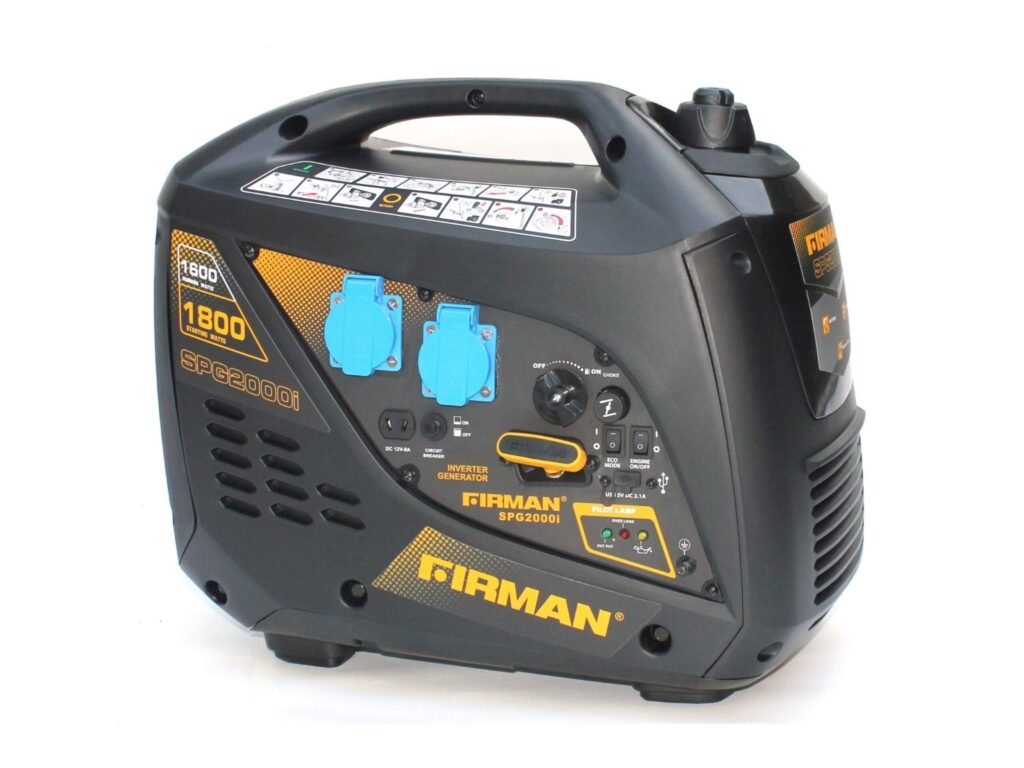
For small businesses like barber shops, digital printing hubs, or small pharmacies, the Firman SPG2000i is the workhorse of choice. It offers a perfect balance between power output and portability. This model is specifically known for its low oil shutdown protection, which prevents the engine from knocking if you forget to check the oil levels during a busy workday. It is remarkably fuel-efficient, often running for up to 10 hours on half-load, which is crucial for maintaining business profit margins when the public grid fails.
Lontor 1.2kW Silent Series
If you are a student or a single professional living in a “mini-flat,” you might not need a massive unit. The Lontor 1.2kW is a compact, highly portable inverter generator that fits in the corner of a balcony. It is designed primarily for light loads. It will comfortably power your work-from-home setup, including your monitor, router, and fan. The portability means you can easily move it indoors once it cools down, a necessary security feature in many residential areas.
What Size Do You Actually Need?
Selecting the wrong size is the quickest way to waste money. If you overload an inverter generator, the digital overload protector will shut the unit down to protect the sensitive inverter board.
- 1.0kVA to 1.5kVA: Ideal for basic lighting, fans, one laptop, and a TV. Not suitable for fridges or pumping machines.
- 2.0kVA to 2.5kVA: This is the “sweet spot” for most Nigerian homes. It can handle a medium-sized fridge, multiple fans, a home theater system, and a workstation.
- 3.0kVA and Above: Required if you intend to run a small inverter air conditioner (1HP) or a microwave. Be warned that running high-heat appliances will significantly increase your fuel consumption.
Maintenance Tips For The Nigerian Climate
The lifespan of an inverter generator in Nigeria is often cut short by two things: bad fuel and dust.
1. Use a Fuel Filter:
Always use a funnel with a fine mesh filter when refueling. Debris in Nigerian petrol can quickly clog the delicate fuel injectors found in inverter engines.
2. Regular Oil Changes:
Because these engines run at variable speeds, the oil breaks down faster. Change your oil every 50 to 80 hours of use to keep the engine internal components smooth.
3. Dust Management:
Clean the air filter weekly. If you live in a dusty area like Ikorodu or parts of Abuja, the air intake can become choked, causing the engine to overheat and consume more fuel.
4. Battery Health:
If your model has an electric start, make sure to run the generator at least once a week to keep the small internal battery charged.
Where To Buy Genuine Generators In Nigeria
The Nigerian market is unfortunately flooded with “clones” or fake versions of popular brands like Honda and Firman. To ensure you are getting a genuine product:
- Authorized Distributors: Purchase directly from brand showrooms or major retailers like Jumia, Konga, or Slot.
- Check the Seal: Genuine units come with a holographic seal and a verifiable warranty card.
- Weight Test: Fake generators often use aluminum coils instead of copper. If the unit feels suspiciously light compared to the official specifications, it is likely a counterfeit.
Frequently Asked Questions
Can an inverter generator carry a fridge?
Yes, provided the starting KVA of the fridge does not exceed the peak output of the generator. Most 2.0kVA inverter models can handle a modern energy-efficient fridge.
Why is it called a “silent” generator?
It is called silent because the engine is fully enclosed in a sound-insulated casing and the smart-throttle technology prevents the engine from racing at top speed unless necessary.
Can I use an inverter generator with my solar system?
Many Nigerians use these generators as a backup for their solar inverters during prolonged rainy seasons. They are perfect for “topping up” battery banks via a specialized charger.
Read More On: