


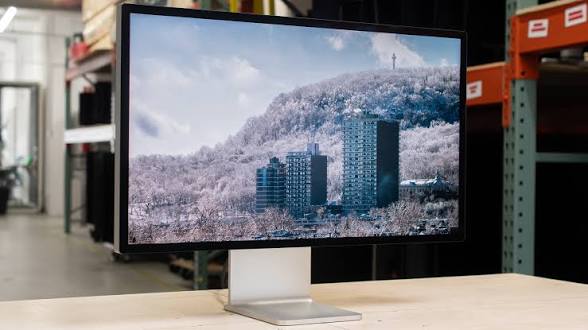
The Professional Standard Reimagined
When Apple first introduced the Studio Display, it was seen as a bridge between the consumer iMac experience and the ultra high end Pro Display XDR. However, as we move into the second quarter of 2026, Apple has officially blurred those lines with the release of the Studio Display XDR. This is not merely a refresh; it is a fundamental reconstruction of what a desktop monitor should be for the creative professional.
After putting this unit through a week of intensive color grading, video editing, and daily administrative tasks, it is clear that Apple has addressed almost every criticism aimed at the 2022 original. If you have been waiting for a reason to retire your aging dual monitor setup, this might be the catalyst you need.
Mini LED Finally Arrives
The headline feature of this new model is the transition from a standard LED backlit panel to a sophisticated Mini LED array. This change alone elevates the Studio Display XDR into a different league of visual fidelity.
- Contrast and Black Levels: By utilizing thousands of local dimming zones, the monitor achieves true blacks that were previously only possible on the $5,000 Pro Display. The “blooming” effect that haunted earlier Mini LED attempts is virtually invisible here.
- XDR Brightness: The “XDR” in the name stands for Extreme Dynamic Range. This panel now sustains 1,000 nits of full screen brightness and can hit peaks of 1,600 nits for HDR content. This makes it one of the few monitors on the market where you can truly trust your HDR color grades.
- ProMotion Integration: For the first time in a standalone Apple desktop monitor, we have 120Hz ProMotion. The smoothness of scrolling through a long timeline in Final Cut Pro or simply moving windows across the desktop is transformative. It makes the standard 60Hz displays feel sluggish by comparison.
Functional Elegance
Apple has not strayed far from the industrial design language of the Mac Studio, but there are subtle, high impact refinements in the 2026 chassis.
- The Nano Texture Standard: While it used to be a pricey add on, the refined Nano Texture glass is now much more resilient to fingerprints and easier to clean. It effectively kills glare from office windows without the “fuzzy” look of traditional matte screens.
- Thermal Management: Despite the massive increase in brightness and power draw from the Mini LED backlighting, the display remains silent. Apple has redesigned the internal cooling vents to allow for passive airflow that keeps the panel cool even during 10 hour rendering sessions.
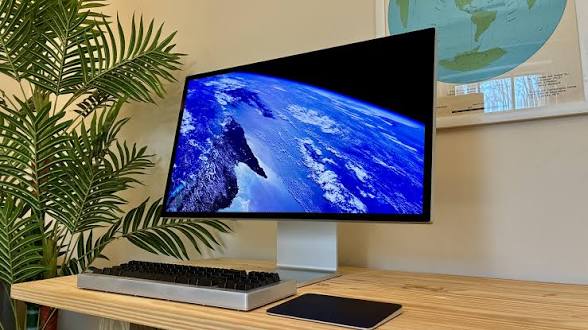
- The Stand Situation: In a move that will please many, the tilt and height adjustable stand is now more robust. It feels like it belongs on a piece of high end laboratory equipment, providing a smooth, effortless glide when repositioning the screen.
Read More On: Haier Thermocool Inverter Chest Freezer: The Efficient King of Preservation
Get TikTok SEO Cheat here
The A18 Chip
One of the most unique aspects of the Studio Display XDR is that it contains its own silicon. By embedding an A18 chip inside the monitor, Apple offloads complex processing tasks from your Mac, ensuring that the display is “smart” in its own right.
- Center Stage 2.0: The 12 megapixel ultra wide camera has been completely overhauled. Thanks to the A18, the tracking is more fluid and the low light performance is significantly improved. It no longer looks like a grainy webcam; it looks like a professional entry level mirrorless camera.
- Audio Processing: The six speaker sound system with spatial audio is driven by the internal chip. It creates a soundstage so wide and deep that you might find yourself checking if your external speakers are accidentally turned on.
- Instant Wake: Because the monitor handles its own power management, the “handshake” between a MacBook Pro and the display is now instantaneous. There is zero lag when plugging in via Thunderbolt.
The Hub of Your Creative Suite
The back of the Studio Display XDR remains clean but has received a much needed bandwidth boost.
- Thunderbolt 5 Support: The primary port now supports Thunderbolt 5, allowing for daisy chaining of high speed RAID arrays or even a second 6K display without compromising on data speeds.
- High Speed USB C: The three downstream ports are now all USB 3.2 Gen 2, providing up to 10Gbps for peripherals like SSDs or audio interfaces.
- Power Delivery: The monitor can now deliver up to 140W of power to a connected laptop. This means it can fast charge even the most powerful 16 inch MacBook Pro while you work at full capacity.
Technical Specifications at a Glance
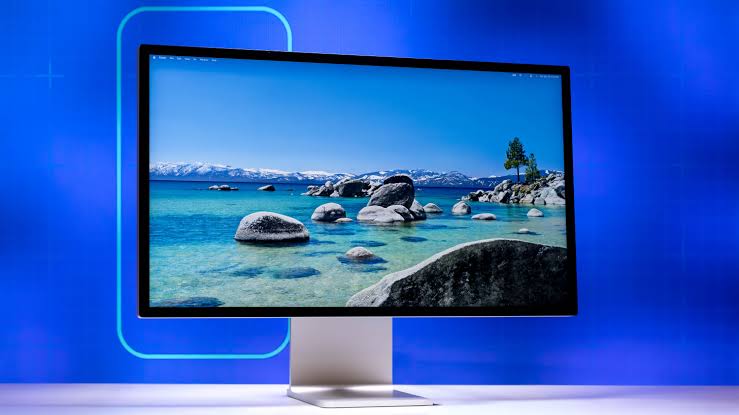
- Panel Type: 27 inch Mini LED with Oxide TFT technology.
- Resolution: 5K (5120 x 2880) at 218 pixels per inch.
- Refresh Rate: ProMotion adaptive 10Hz to 120Hz.
- Color Space: 100 percent P3 Wide Color, 10 bit depth (1.07 billion colors).
- Brightness: 1,000 nits sustained, 1,600 nits peak (HDR).
- Ports: 1x Thunderbolt 5 (Upstream), 3x USB C (10Gbps).
- Audio: Six speaker system with force cancelling woofers and Spatial Audio support.
How Does It Compare?
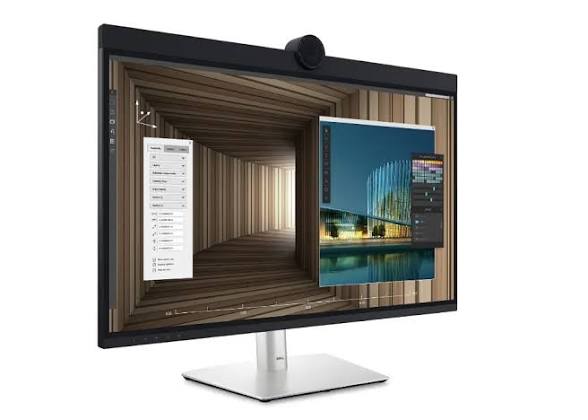
In the current 2026 market, the main rivals are the Samsung ViewFinity S9 and the Dell UltraSharp 32 6K. While those monitors offer great value and larger screen real estate respectively, they cannot match the ecosystem integration of the Apple Studio Display XDR. The way this monitor handles True Tone, “Find My” integration, and system wide brightness control directly from a Mac keyboard remains an unbeaten user experience.
Samsung ViewFinity S9
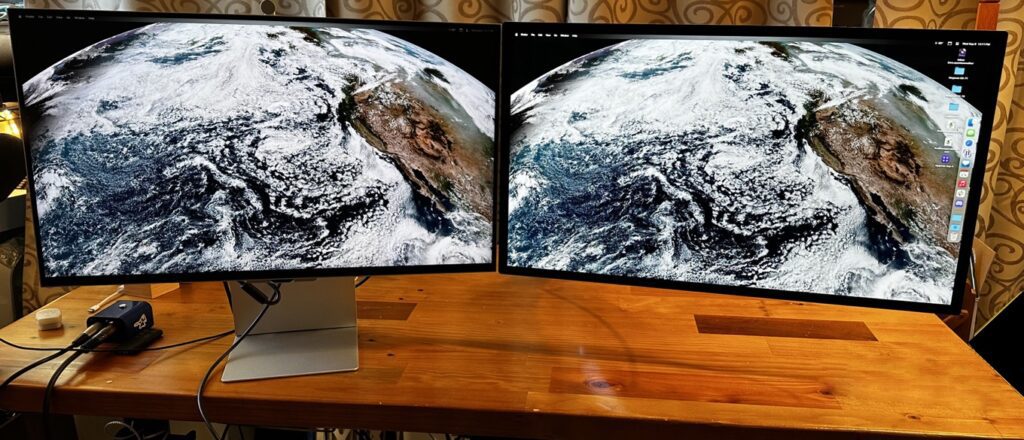
Dell UltraSharp 32 6K.
Is It Worth the Premium?
The Apple Studio Display XDR is a luxury item, but for the professional whose income depends on color accuracy and workflow speed, it is a justifiable investment. It solves the “Mini LED blooming” issue, brings the joy of ProMotion to the desktop, and offers a camera and microphone array that finally justifies its price point.
The Pros:
- Incredible contrast and HDR performance.
- ProMotion makes every interaction feel buttery smooth.
- The best built in speakers and camera in any consumer monitor.
- Thunderbolt 5 support future proofs your workstation.
The Cons: - The price remains significantly higher than 4K alternatives.
- The 27 inch size may feel small for those used to 32 inch panels.
- No HDMI or DisplayPort inputs for non Mac devices without adapters.
If you are a creative professional in the Apple ecosystem, this is currently the best 27 inch monitor on the planet. It is a stunning piece of engineering that proves Apple is still the king of the “prosumer” workstation.
Read More On: The Ninja Speedi Rapid Cooker and Air Fryer