
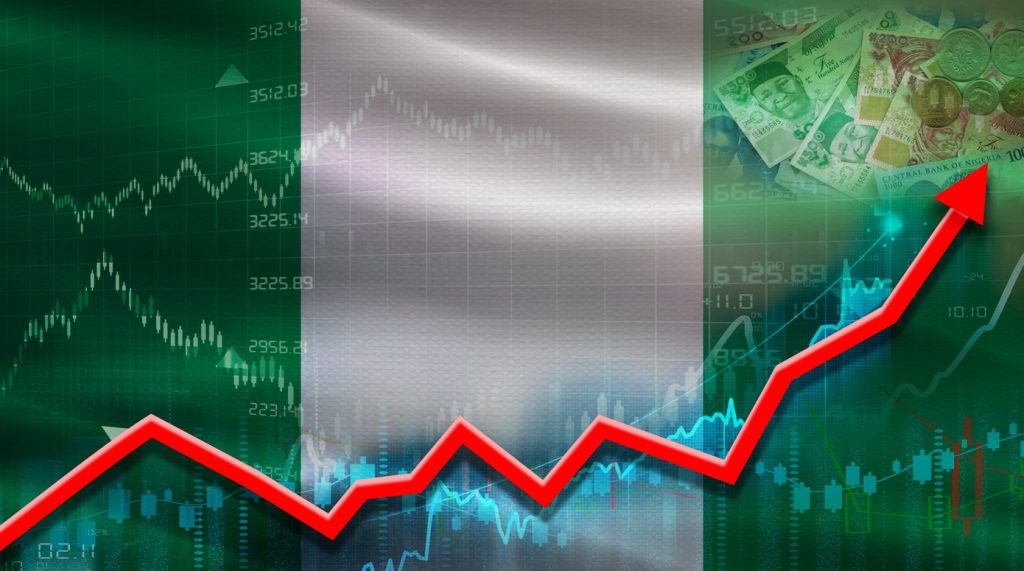
The Nigerian financial ecosystem is currently navigating one of its most turbulent phases as the local currency continues to face significant pressure against the US dollar. For the millions of Nigerians who have transitioned from traditional banking to digital-first fintech platforms, this economic shift is not just a headline but a direct challenge to their savings and purchasing power.
The Great Fintech Pivot
The relationship between Nigerian fintechs and their users has fundamentally changed. Just a few years ago, the promise of digital banking was built on high-interest savings and seamless international spending. However, the persistent volatility of the naira has forced a massive strategic pivot. Leading players like Kuda, OPay, and PalmPay are no longer just competing on speed; they are now focused on survival and regulatory compliance in a high-inflation environment.
In this detailed report, we explore how the naira hitting ₦1,520/$1 in the parallel market has triggered a wave of policy changes. We will break down why many fintechs are suspending virtual dollar cards, how “neo-banks” are adjusting their interest rates to keep up with inflation, and the specific moves you need to make to ensure your money does not lose its value overnight. This is the new reality of digital finance in Nigeria.
Naira Volatility and the Fintech Response
The current economic climate has placed Nigerian fintechs in a difficult position. Unlike traditional banks that have diversified revenue streams, many fintechs rely heavily on transaction fees and digital lending. When the naira devalues, the cost of maintaining foreign-denominated services, such as cloud hosting and international payment gateways, skyrockets. This has led to a noticeable shift in how these companies operate.
Get TikTok SEO Cheat here
Most notably, the “dollar card” feature that once defined the fintech experience has become a rarity. Many platforms have either paused their virtual card services or implemented extremely tight spending limits to mitigate the risk of currency fluctuations. For the average user, this means that paying for international subscriptions like Netflix, Spotify, or Amazon Web Services has become a complex task involving multiple apps and varying exchange rates.
How Devaluation Affects Your Digital Savings
Savings in a high-inflation environment can be deceptive. While your fintech app might show a 15% annual interest rate, a 30% devaluation of the naira effectively means you are losing purchasing power. Nigerian fintechs are responding by introducing “inflation-shielded” products. Some are pivoting toward commodity-backed savings, such as gold, while others are focusing on providing better access to Money Market Funds.
The impact is felt most by those who kept large sums in “Flex” accounts. These accounts often provide lower interest than locked targets, and in the face of current volatility, they are the first to feel the pinch of reduced value. Users are now being encouraged to move funds into more illiquid, higher-yield instruments to at least match the pace of inflation.
Fintech Policy Changes
The following table outlines the current state of major Nigerian fintech platforms and how they have adjusted to the ongoing currency volatility.
Table: Fintech Policy Adjustments and Features
| Fintech App | Dollar Card Status | Savings Focus | Current Exchange Rate Impact |
|---|---|---|---|
| OPay | Limited Availability | High-Yield Daily Interest | Focus on local P2P stability |
| Kuda Bank | Virtual Card Paused | Targeted Savings Goals | Shift toward micro-lending |
| PalmPay | Functional (Select Users) | Cashback and Rewards | High focus on utility payments |
| Moniepoint | Business Focused | Business Loans and POS | Stable for merchant transactions |
| Geegpay | Fully Functional | USD/GBP/EUR Wallets | Best for freelancers/exporters |
The Shift Toward Multi-Currency Wallets
One of the most significant pivots in the industry is the rise of the multi-currency wallet. Platforms like Geegpay and others are seeing a massive influx of users who are tired of naira volatility. These apps allow Nigerians to receive and hold funds in USD or GBP, effectively creating a personal hedge against the naira.
However, the Central Bank of Nigeria has intensified its oversight of these “shadow” dollar accounts. Fintechs are now required to enforce stricter Know Your Customer (KYC) protocols. This pivot marks a move from being a “simple wallet” to becoming a sophisticated foreign exchange tool for the average Nigerian professional.
Expert Analysis: What to Expect Next
Financial analysts suggest that the “honeymoon phase” of free transfers and zero-fee accounts is coming to an end. As fintechs struggle with the cost of doing business in a volatile economy, we are likely to see the reintroduction of certain maintenance fees or a reduction in the number of free monthly transfers.
Furthermore, the industry is moving toward consolidation. Smaller fintechs that cannot handle the capital requirements of a devaluing economy may be absorbed by larger players. For the consumer, this means that sticking with “systemically important” fintechs, those with large user bases and solid regulatory standing, is safer than exploring new, unproven apps.
What This Means for Your Money
Your strategy for managing money in a digital-first Nigeria must change. Diversification is no longer a luxury but a necessity.
- Hedge with Stable Assets: Do not keep all your liquid cash in a standard naira savings account. Explore fintechs that offer access to mutual funds or dollar-denominated assets.
- Monitor Transaction Fees: Small fees on every transfer can add up significantly when your budget is already stretched by inflation. Use apps that offer the best “cost-to-value” ratio for your specific needs.
- Prioritize Security: With the pivot toward more complex financial products, fraud remains a threat. Ensure that your chosen fintech has robust multi-factor authentication and a responsive customer support system.
Frequently Asked Questions (FAQ)
Which fintech app is best for dollar savings?
Currently, apps that provide dedicated domiciliary-style wallets like Geegpay or those offering money market integrations are the most effective for preserving value against the naira.
Why did my virtual dollar card stop working?
Most fintechs have paused these services due to the volatility of the exchange rate, which makes it difficult for them to settle transactions with international partners without incurring massive losses.
Is my money safe in a fintech app during devaluation?
Yes, your principal amount is safe as long as the fintech is licensed by the CBN and insured by the NDIC. However, the “value” of that money in terms of what it can buy will fluctuate with the exchange rate.
Final Thoughts for Digital Users
The pivot of Nigerian fintechs is a direct reflection of the broader economic challenges facing the nation. While the convenience of digital banking remains, the “easy money” era is being replaced by a more calculated, risk-aware approach. By staying informed and utilizing the right tools, you can navigate this volatility and protect your financial future in an ever-changing digital economy.
Read More On: