
As April begins, a major global shift in lifestyle thinking has become clear. What used to be seen as a niche approach to living sustainably has now become the norm. This new phase can be described as pragmatic sustainability. It is no longer only about protecting the planet in the long term. It is also about protecting your time, your mental energy, and your overall well being in a world that feels increasingly fast paced and demanding.
People are no longer chasing extreme routines or unrealistic sacrifices. Instead, the focus has moved toward building smart, efficient systems that fit naturally into everyday life. The most effective habits today are the ones that simplify your routine while quietly improving your productivity and quality of life.
This shift has given rise to three powerful systems that are shaping how people live and work in 2026. These systems focus on the kitchen, personal care, and mental organization.
1. The Zero Waste Food Preparation System
A New Way of Thinking About Kitchen Waste
For a long time, the common advice was to prepare meals first and deal with the waste afterward. However, this approach often created extra work and unnecessary clutter. In the year, people have started to see waste management as part of the cooking process itself rather than something that comes later.
Get TikTok SEO Cheat here
The zero waste food preparation system is built on the idea that what we often call waste can actually be treated as a secondary resource. By managing it in real time while cooking, the entire process becomes smoother and more efficient.
How the System Works in Practice
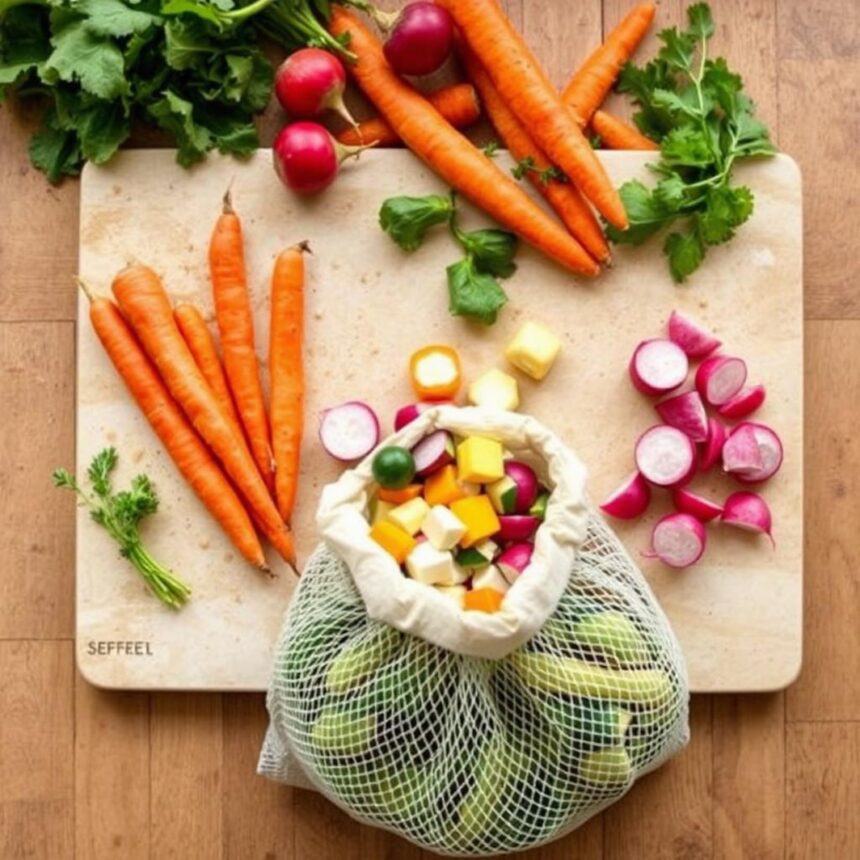
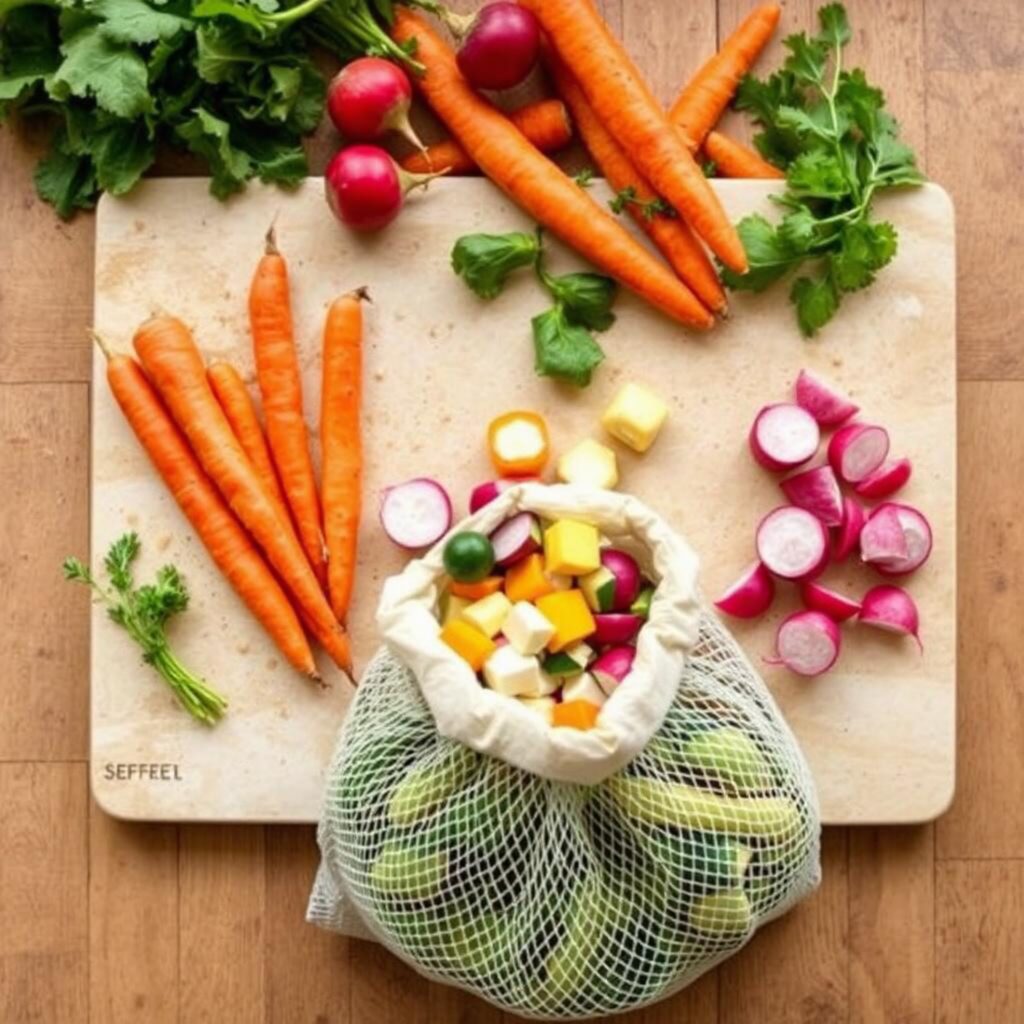
One of the key ideas is to use what is already available instead of adding more tools. For example, instead of reaching for a separate bowl or bin while chopping vegetables, you can use the original packaging that the food came in. Onion mesh bags, paper mushroom bags, or compostable vegetable wraps can all serve as temporary containers for scraps. This reduces unnecessary movement and keeps your workspace organized.
Another important principle is making use of every part of your ingredients. Items like broccoli stems or the ribs of leafy vegetables are often thrown away, but they can be repurposed easily. By slicing them while you are already preparing the main ingredients, you can store them for later use. Some people add them to a quick pickling jar, while others keep a freezer bag for vegetable scraps that can later be turned into broth or stir fry. In practical terms, throwing these parts away means losing a noticeable portion of the value of your groceries.
There is also a strong emphasis on cleaning as you go. As soon as your scrap container fills up, it is either emptied into the appropriate bin or stored for reuse. By the time you begin cooking, your workspace is already clean and ready. This approach removes the need for a large cleanup session after the meal is prepared.
Read More On:
- How To Designing Homes That Can Survive and Thrive
- Federal High Court Transfers ₦3.44 Billion Assets to Nigerian Government
- Meet “Private Sammy”: Inside the Galaxy S26 Ultra
- Gaming Power in a Tablet Body: Meet the Z13-KJP
- Your Network Fails, You Get Paid: Here’s How It Works
2. The Microfibre and Heat Free Hair Care Approach
A Shift Toward Healthier and Faster Routines
With rising energy costs and a growing awareness of hair health, many people are moving away from frequent heat styling. Blow dryers and other high heat tools are being used less often, while simpler and more natural methods are gaining popularity.
The microfibre towel method has become widely adopted again in 2026 because it addresses two major concerns at once. It reduces drying time and protects the hair from damage.
Why Microfibre Makes a Difference
Traditional towels are made with larger loops that can create friction on the hair. This often leads to frizz and slower drying. Microfibre towels, on the other hand, are made with finer fibers that absorb water more efficiently without pulling on the hair strands.
As a result, moisture is removed much faster, and the hair remains smoother and healthier.
The Plopping Technique Explained
One of the most effective methods used with microfibre towels is known as plopping. This technique helps set the natural texture of the hair while removing excess moisture.
The process begins by flipping your hair forward onto a flat towel. The hair is then gently gathered toward the scalp before wrapping the towel securely around the head. After about fifteen to twenty minutes, a significant amount of water has already been absorbed, and the hair begins to hold its natural shape.
Overnight Styling Without Heat
To reduce time spent on styling in the morning, many people now prepare their hair before going to bed. When the hair is slightly damp, it can be wrapped around soft rods or styled using simple methods such as fabric wraps.
Sleeping on a silk or satin pillowcase helps maintain the style overnight. By morning, the hair is already set into waves or curls without the need for heat tools. This approach can save a considerable amount of time each day while also improving the overall health of the hair.
3. The Second Brain and Biometric Hybrid System
A Smarter Way to Manage Productivity
In the past, productivity was often linked to constant effort and pushing through fatigue. In 2026, this mindset is changing. People are now focusing on working in alignment with their energy levels rather than against them.
This has led to the rise of a hybrid system that combines digital tracking with physical reflection. It is designed to help individuals make better decisions based on how their bodies are actually functioning.
Read More On:
- “Admin Night” Productivity: How to Turn Boring Chores into High-Focus Power Sessions
- Naira vs Dollar: A Steadier Finish to Q1 in the Cardoso Era
- From Business Deals to Prison Cell: Idowu Gets 30 Years for Fraud
Using Data to Understand Your Energy
Modern wearable devices such as smart rings, watches, and glasses can track important health metrics. These include heart rate variability and sleep patterns. The data collected is used to generate what is known as a readiness score.
This score provides insight into how prepared your body is for different types of activity. A high score indicates that you are well rested and ready for demanding tasks. A lower score suggests that your body may need rest or lighter work.
Translating Data Into Daily Action
Instead of simply looking at the data on a screen, many people are now incorporating it into a physical journaling routine. Each morning, the readiness score is written down, followed by a simple question. Given my current energy level, what is the most important task I need to complete today?
This process creates a moment of reflection and helps ensure that daily goals are realistic and aligned with personal capacity.
Creating a Knowledge Storage System
Another part of this system involves using digital tools to store information. Applications such as note taking platforms allow users to save ideas, links, and inspirations in one place.
By doing this, the mind is freed from the need to remember everything. Instead of acting as storage, the brain can focus on thinking, analyzing, and creating.
Bringing It All Together
The core idea behind these systems is simple. Efficiency is no longer about doing more at all costs. It is about doing things in a smarter and more sustainable way.
In the kitchen, this means managing waste as you cook and making full use of your ingredients. In personal care, it means choosing methods that protect your body while saving time. In productivity, it means listening to your body and adjusting your workload accordingly.
The lifestyle shift taking place in 2026 is centered on intentional living. It is about creating routines that support both your environment and your well being.
By aligning your habits with your surroundings and your natural energy levels, you are not just completing tasks. You are building a lifestyle that is efficient, balanced, and sustainable in a practical sense.
In this new approach, success is not measured by how much you can handle, but by how well your systems work for you.
Read More On: