
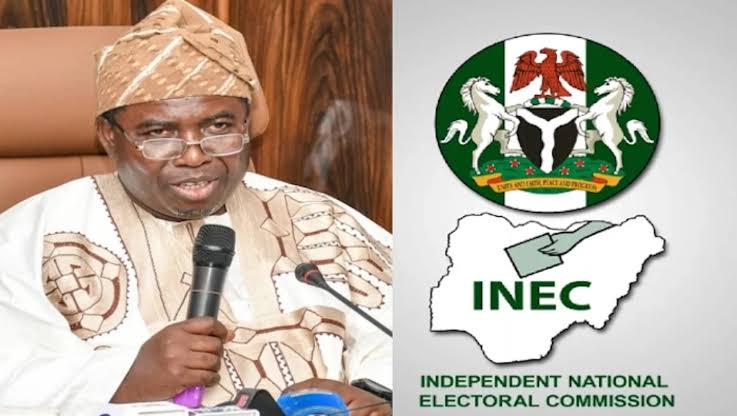
Nigeria’s electoral landscape has taken a significant turn as the Independent National Electoral Commission officially announced the postponement of its planned nationwide voter revalidation exercise until after the next general elections.
This decision has sparked widespread reactions among political stakeholders, analysts, and citizens, as it reshapes the timeline for one of the most critical electoral integrity processes in the country.
The development signals a strategic shift in how the commission intends to manage voter data, electoral preparations, and administrative priorities ahead of the upcoming national polls.
Understanding the Decision to Postpone the Exercise
The announcement followed a high-level meeting between the electoral commission and Resident Electoral Commissioners, where key electoral matters were reviewed extensively before a final resolution was reached.
Get TikTok SEO Cheat here
According to official statements, the commission concluded that proceeding with the voter revalidation exercise before the elections may not be the most practical or efficient course of action at this time.
Instead, the process has been deferred to a period after the elections, allowing the commission to concentrate its resources on delivering a credible electoral process.
The directive also included the immediate suspension of all publicity, planning, and operational activities related to the exercise across the country.
This means that all preparatory efforts, including staffing arrangements and logistics planning, have been placed on hold until further notice.
What the Voter Revalidation Exercise Is All About
To fully understand the significance of this postponement, it is important to examine what the voter revalidation exercise entails.
The process is a crucial component of electoral management and is designed to strengthen the credibility of Nigeria’s voter register.
Key objectives of the exercise include:
- Verification of existing voter records to ensure accuracy
- Correction of personal information such as names, addresses, and identification details
- Removal of duplicate entries within the system
- Elimination of ineligible voters, including deceased individuals or underage registrants
- Providing an opportunity for citizens to confirm and update their registration details
These measures are essential for maintaining a clean and reliable National Register of Voters, which forms the backbone of any credible election.
Why INEC Considered the Postponement Necessary
Several underlying factors appear to have influenced the commission’s decision to delay the exercise.
1. Focus on Conducting Credible Elections
The primary responsibility of the electoral body is to organize free, fair, and credible elections.
By postponing the revalidation process, the commission can channel its resources toward election preparation, logistics coordination, and operational efficiency.
2. Administrative and Logistical Complexity
Conducting a nationwide voter revalidation exercise is a massive undertaking that requires:
- Deployment of specialized equipment
- Recruitment and training of personnel
- Nationwide coordination across all states
- Public awareness campaigns
Balancing this alongside election preparations could overstretch the system.
3. Strategic Timing Considerations
The commission appears to have determined that conducting the exercise after the elections would allow for a more thorough and less pressured implementation.
This ensures that the process is not rushed and that outcomes are more reliable.
4. Need for Comprehensive Data Integrity
By postponing the exercise, the commission can gather insights from the upcoming elections and use that data to improve the accuracy of the voter register during the revalidation phase.
Read More On:
- Investors Wary as Nigeria’s Unpaid Contractor Bills Signal Growing Fiscal Instability.
- FG Extends ₦12B Project BRIDGE Research Deadline to April 27
- Nigeria’s Property Sector Braces for Shake-up Amid Rising Costs and Rates
Implications for Nigerian Voters
The postponement has several implications for registered voters and those planning to participate in the electoral process.
For Existing Voters
- Current voter details remain valid for the upcoming elections
- No immediate requirement to update or revalidate registration
- Participation in elections will proceed based on the existing voter database
For Potential Updates
- Corrections to voter information will be delayed
- Opportunities for data verification will occur after the elections
For Electoral Participation
- Voters are encouraged to ensure their current registration details are accurate
- Awareness campaigns may still focus on voter education rather than revalidation
Political and Public Reactions
The announcement has generated mixed reactions across the political landscape.
Some analysts view the decision as a practical move that allows the electoral body to concentrate on delivering a smooth election process.
Others, however, have expressed concerns about the potential risks of relying on an existing voter register that may contain inaccuracies.
Key concerns raised include:
- Possibility of outdated voter information
- Risk of duplicate or invalid entries remaining in the system
- Impact on public confidence in the electoral process
Despite these concerns, the commission has reassured Nigerians of its commitment to credible elections and transparent processes.
Read More On:
- CBN Cautions Banks on Risk Exposure Following Recapitalization
- World Bank: Nigeria’s Poverty Hits 63% Despite Cooling Inflation
- Naira Holds Steady at 1,862/£: Economic Implications for Nigeria
The Role of INEC in Nigeria’s Democracy
The Independent National Electoral Commission plays a central role in Nigeria’s democratic system.
Established to oversee elections at all levels of government, the commission is responsible for ensuring that electoral processes meet acceptable standards of transparency and fairness.
Its responsibilities include:
- Conducting voter registration exercises
- Managing the national voter database
- Organizing elections across the country
- Regulating political parties and candidates
- Ensuring compliance with electoral laws
The decision to postpone the revalidation exercise reflects the complexity of balancing these responsibilities within tight timelines.
What Happens Next
Although the exercise has been postponed, it has not been canceled.
The commission has indicated that preparations will continue internally, even though public-facing activities have been paused.
Expected next steps include:
- Continued planning and resource allocation
- Upgrading of voter registration technologies
- Recruitment and training of personnel
- Development of improved verification systems
Once the elections are concluded, the commission is expected to roll out the exercise on a national scale.
Long Term Impact on Nigeria’s Electoral System
The postponement could have both positive and negative long term effects.
Potential Benefits
- Better focus on election execution
- Reduced operational pressure on the commission
- Opportunity for improved planning and implementation
Potential Risks
- Temporary reliance on outdated voter data
- Public skepticism about electoral transparency
- Delayed correction of database inconsistencies
Ultimately, the success of this decision will depend on how effectively the commission conducts the revalidation exercise after the elections.
Conclusion
The decision to postpone the nationwide voter revalidation exercise marks a significant moment in Nigeria’s electoral journey.
It reflects a strategic prioritization by the electoral commission to ensure that the upcoming elections are conducted without unnecessary complications.
While the move may raise concerns about voter data accuracy in the short term, it also provides an opportunity for a more comprehensive and effective revalidation process in the future.
For Nigerians, the focus now shifts to participating actively in the electoral process, while awaiting further developments on the revalidation exercise.
Read More On:
- Lafarge Africa Plc Proposes Name Change to HBM Nigeria Ahead of Key AGM Decision
- Citi Nigeria Chief Emeka Emuwa Receives Prestigious Citi Distinguished Alumni Award
- Ghana Moves to Cut Fuel Taxes and Levies to Tackle Rising Pump Prices
- Transcorp Declares ₦16.2 Billion Final Dividend for Shareholders, Announces Payment Timeline