
The Ultimate Guide for Homes
Switching to solar power in 2026 is no longer just about “going green.” In Nigeria, it has become a smart financial decision driven by unstable electricity supply, rising diesel and petrol costs, and increasing tariffs from distribution companies.
However, solar is not something you rush into. A poorly planned system can leave you frustrated, underpowered, and financially drained. A properly designed system, on the other hand, can give you years of reliable electricity and long term savings.
This guide walks you through everything in detail so you make the right decisions from day one.
1. Conduct a Proper Energy Audit Before You Buy Anything
This is the foundation of your entire solar system. If you get this wrong, everything else will be wrong.
Get TikTok SEO Cheat here
Most people in Nigeria simply ask for “a 3.5kVA system” or “a 5kVA inverter” without understanding what that actually means. That approach leads to overload, poor battery life, and constant shutdowns.
Step One: List All Your Appliances
Break your appliances into categories:
Must run appliances
- LED lights
- Ceiling fans or standing fans
- Television
- Decoder
- WiFi router
- Laptop or phone chargers
- Refrigerator
Heavy load appliances
- Air conditioners
- Electric kettles
- Microwaves
- Washing machines
- Water pumps
- Electric irons
Step Two: Calculate Total Wattage
Every appliance has a watt rating written on it.
Example:
- TV = 120W
- Fan = 75W
- Fridge = 150W
- 10 LED bulbs = 100W total
Add everything together to get your total load demand.
Step Three: Understand Peak vs Running Power
This is where many people make costly mistakes.
Appliances with motors need extra power to start.
- Fridge may run at 150W but start at 400W
- Pump may run at 800W but spike to 2000W
If your inverter cannot handle that surge, it will trip constantly.
Golden Rule
Never run your inverter above 70 to 80 percent capacity.
A 3.5kVA inverter should not carry more than about 2500W consistently.
2. Choose the Right System Type for Nigerian Conditions
There are three main types of solar systems, but only one makes sense for most Nigerians.
Off Grid System
- Fully independent from NEPA
- Requires large battery storage
- Very expensive to build
Best for: Remote areas without grid access
Hybrid System (Most Recommended)
- Uses solar during the day
- Stores energy in batteries
- Falls back to NEPA or generator when needed
Why it is ideal in Nigeria:
- Handles unstable power supply
- Reduces fuel usage
- Gives flexibility
Grid Tied System
- Works only when grid is available
- No battery backup
Reality in Nigeria: Not practical due to frequent outages
3. Battery Selection: The Heart of Your Solar System
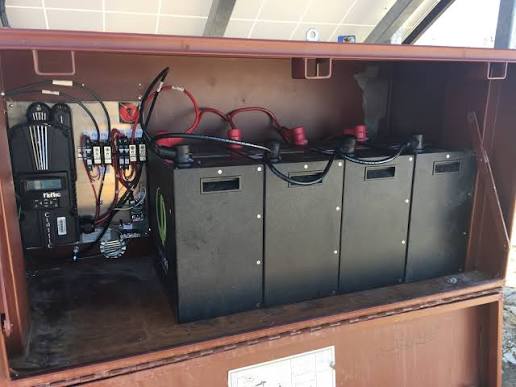
Your battery determines how long your system lasts and how reliable it is at night.
Tubular Batteries
- Lower initial cost
- Last about 2 to 3 years
- Require water topping and maintenance
- Cannot discharge deeply
Hidden problem: You keep replacing them, which increases long term cost.
Lithium Batteries (LiFePO4)
- Higher upfront cost
- Last 8 to 12 years
- No maintenance
- Can discharge up to 90 percent safely
Why Lithium Wins in 2026
Over time, lithium becomes cheaper because:
- Fewer replacements
- Better efficiency
- Faster charging
If your budget allows, lithium is the smarter investment.
Read More On: How to Book Affordable International Flights
4. Solar Panels and Roof Considerations
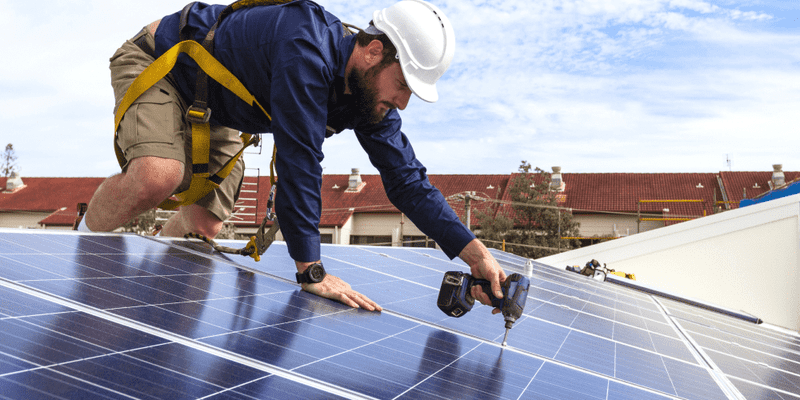
Your panels are your energy source. If they are poorly installed, your system underperforms no matter how expensive it is.
Panel Direction
In Nigeria:
- South facing panels give best performance
- East west setups can also work depending on roof
Shading is a Silent Killer
Even a small shadow can reduce output drastically.
Common shading issues:
- Trees
- Water tanks
- Nearby buildings
- Satellite dishes
Important insight: One shaded panel can affect the entire system string.
Roof Strength and Mounting
Solar panels are not light.
Ensure:
- Strong roofing structure
- Proper mounting frames
- Wind resistance
Poor installation can lead to long term damage.
5. Real Solar Cost in Nigeria in 2026
Prices vary based on quality, battery type, and installer.
Typical Price Ranges
Small system (1kVA to 2kVA)
- ₦850,000 to ₦1.2 million
- Basic lighting and small devices
Medium system (3kVA to 5kVA)
- ₦2 million to ₦3.5 million
- Standard home usage
Large system (10kVA and above)
- ₦7 million to ₦15 million
- Full house with ACs
What Affects Price
- Battery type
- Number of panels
- Installation quality
- Brand of inverter
6. Inverter Quality Matters More Than You Think
Your inverter is the brain of your system.
Pure Sine Wave Inverter
- Safe for all appliances
- Stable power output
- No noise issues
Modified Sine Wave
- Cheaper but risky
- Damages electronics
- Causes overheating
Clear advice:
Always choose pure sine wave.
Read More On: 10 Best Free Team Collaboration Tools
7. Professional Installation Is Not Optional
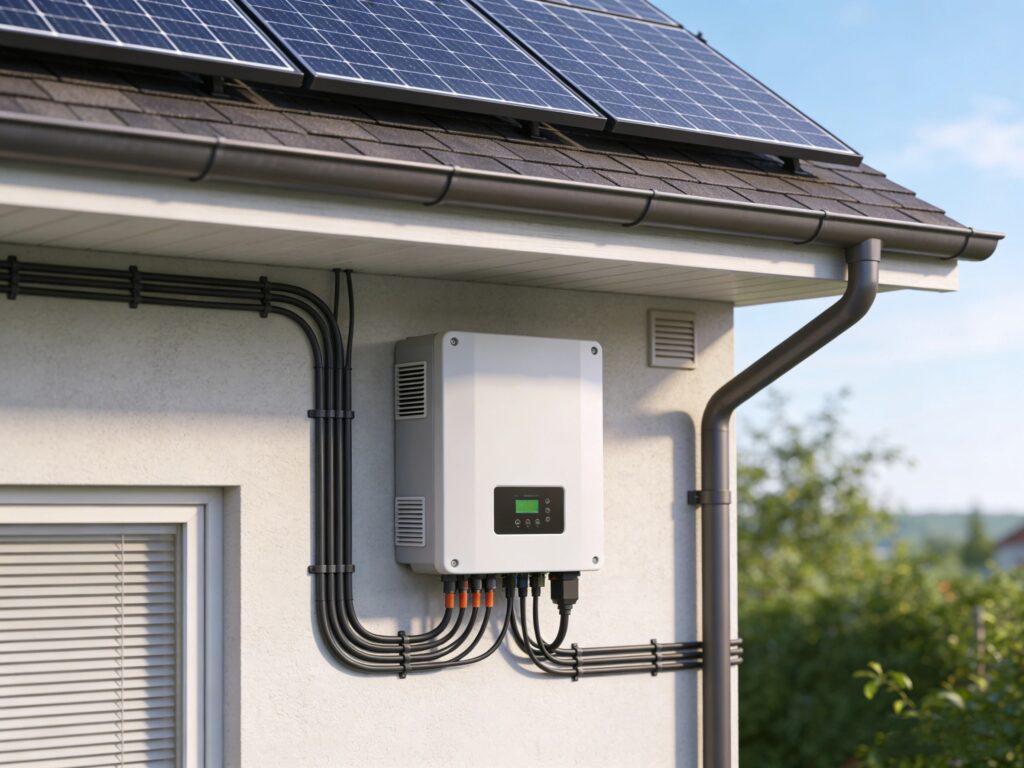
Solar is not just plug and play.
Risks of Poor Installation
- Fire hazards
- System failure
- Battery damage
- Reduced efficiency
What a Good Installer Provides
- Proper cable sizing
- Surge protection
- Lightning arrestors
- Safe earthing system
8. Maintenance: Keeping Your System Efficient
Solar systems are low maintenance but not zero maintenance.
Essential Maintenance Tasks
Panel Cleaning
- Dust reduces efficiency
- Clean monthly with water
Battery Monitoring
- Avoid deep discharge
- Monitor health regularly
Ventilation
- Keep inverter cool
- Avoid enclosed hot spaces
9. Common Mistakes to Avoid
Many first time buyers make these errors:
- Buying undersized systems
- Choosing cheap components
- Ignoring battery quality
- Using inexperienced installers
- Not planning for future expansion
Avoiding these mistakes can save you millions.
10. Long Term Financial Benefits
Solar is not cheap upfront, but it pays off over time.
Savings Areas
- Reduced fuel costs
- Lower electricity bills
- Less generator maintenance
Return on Investment
Most systems pay for themselves within:
- 2 to 4 years for heavy generator users
After that, your electricity is almost free.
Final Thoughts
Installing solar in Nigeria is one of the smartest investments you can make in 2026. But success depends on planning, not guesswork.
If you:
- Understand your load
- Choose the right components
- Work with professionals
You will enjoy stable, reliable power for years.
Read More On: 8 Best Food Delivery Apps in Major Cities