



Investing in land or property is not just about making payment and collecting a receipt. In Nigeria, ownership only becomes real and legally defensible when your interest is properly documented, verified, and registered with the appropriate government authority. Many individuals have lost millions simply because they stopped at the point of purchase without completing the legal process known as title perfection.
This guide walks you through the entire process in a deeply detailed and practical way, so you understand not just what to do, but why each step matters and how to avoid costly mistakes.
Understanding What Ownership Truly Means
Before diving into the process, it is important to understand a key principle. Under the Land Use Act, land is not owned outright by individuals. Instead, all land within a state is vested in the Governor, who holds it in trust for the people.
What you acquire when you buy land is a legal right to occupy and use that land for a fixed period. This right must be recognized and recorded by the government. Without that recognition, your claim is weak and can easily be challenged.
Get TikTok SEO Cheat here
This is why title perfection is not optional. It is the only way to transform your purchase into a legally protected asset.
Stage 1: Conducting Thorough Due Diligence Before Payment
This is the most critical stage because it determines whether you are buying something legitimate or walking into a trap.
Land Registry Search
You must take the seller’s title documents to the Land Registry and request an official search. This process reveals essential facts such as:
- Whether the land is under government acquisition
- Whether the title document is genuine or forged
- Whether the land has already been sold or used as collateral
- Whether there are legal disputes tied to the property
Skipping this step is one of the biggest mistakes buyers make. A simple search can save you from years of litigation and financial loss.
Charting at the Surveyor General’s Office
Charting involves verifying the coordinates of the land using its survey plan. This ensures that the land does not fall into restricted zones such as:
- Government acquired land
- Road expansion corridors
- Pipeline right of way
- Forest reserves
If the land falls within any of these categories, you may lose it without compensation. This is why charting must never be ignored.
Stage 2: Executing the Deed of Assignment Properly
Once you are satisfied with your findings and payment has been made, the next step is to formalize the transaction legally.
What the Deed of Assignment Represents
The Deed of Assignment is the legal document that transfers ownership rights from the seller to you. It is not just a receipt or agreement. It is a binding legal instrument that proves you are now the rightful holder of the property interest.
Why Professional Drafting Matters
This document must be prepared by a qualified legal practitioner. It contains critical clauses such as:
- The description of the property
- The rights being transferred
- The obligations of both parties
- Legal protections in case of disputes
Using poorly drafted or copied documents can expose you to serious risks. Every clause must be accurate and tailored to your specific transaction.
Execution Requirements
- Multiple copies must be signed by both parties
- Witnesses must sign and provide valid identification
- Passport photographs should be attached
- Each copy must be identical and properly arranged
Stage 3: Obtaining a Valid Survey Plan in Your Name
A survey plan is not just a technical drawing. It is the identity of your land.
What Happens During the Survey Process
A licensed surveyor visits the land physically and marks the boundaries using permanent beacons. These markers define the exact size and limits of your property.
The surveyor then prepares a document showing:
- Coordinates of the land
- Total area and dimensions
- Location relative to surrounding plots
Government Recognition of the Survey
The survey must be lodged with the Surveyor General’s Office. This ensures that your land is officially recorded and recognized by the government.
Without this step, your survey is incomplete and may not be accepted during registration.
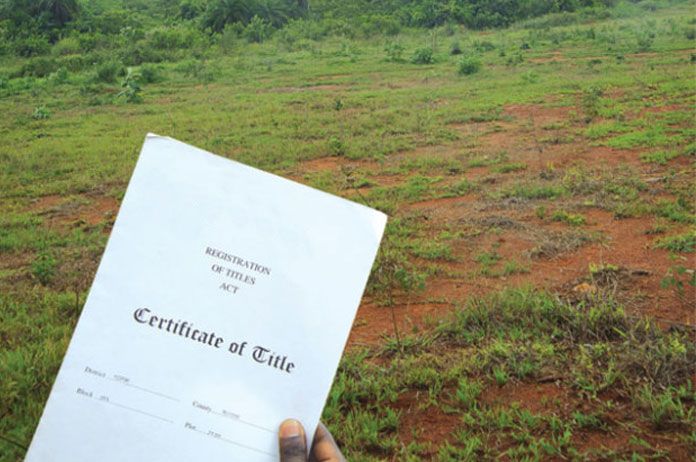
Stage 4: Applying for Governor’s Consent
This is the stage where your transaction receives official government approval.
Why Governor’s Consent is Mandatory
Any transfer of land rights requires approval from the Governor. Without this consent, your transaction is considered incomplete in the eyes of the law.
Documents Required for Application
- Completed application forms
- Cover letter addressed to the appropriate authority
- Copies of the seller’s title documents
- Executed Deed of Assignment
- Survey plan
- Proof of payments for preliminary fees
- Photographs and location details
The Demand Notice Process
After submission, the government assesses the value of your land and issues a Demand Notice. This notice outlines all the fees you must pay before approval can be granted.
These fees are based on the government’s valuation, not necessarily your purchase price.
Stage 5: Payment of Statutory Fees and Taxes
At this stage, financial compliance becomes the focus.
Stamp Duty
Stamp duty gives legal validity to your documents. Without it, your Deed of Assignment cannot be used as evidence in court.
Capital Gains Tax
This tax is tied to the profit made by the seller. In practice, buyers often pay it to ensure smooth processing.
Other Government Charges
- Consent fee
- Registration fee
- Administrative charges
Every payment must be properly receipted and documented. Missing receipts can delay or disrupt the entire process.
Stage 6: Final Registration at the Land Registry
This is the stage where your ownership becomes official and enforceable.
What Happens During Registration
- Your documents are reviewed and approved
- The Governor or authorized official signs the documents
- The property is recorded in the government database
The Importance of Registration
Once registered:
- Your name replaces the seller’s name in official records
- Your ownership becomes publicly recognized
- Your property can be used as collateral
- You are fully protected under the law
This is the moment your investment becomes secure.
Understanding the Cost Implications
Land registration is not free, and budgeting correctly is essential.
Typical costs include:
- Consent fee
- Stamp duty
- Capital gains tax
- Registration charges
- Legal fees
These costs are usually calculated as a percentage of the government’s assessed value of the property. The exact amount depends on location and property type.

Timeline and Expectations
Title perfection is not instant. It requires patience and consistent follow up.
The process may take several months depending on:
- Government processing speed
- Accuracy of submitted documents
- Efficiency of your legal representative
Staying proactive is key. Regular follow up helps prevent unnecessary delays.
Common Mistakes to Avoid
Many property buyers make avoidable errors that lead to serious consequences.
- Paying for land without conducting a search
- Failing to obtain a valid survey plan
- Using unqualified individuals to prepare documents
- Ignoring the need for Governor’s Consent
- Delaying registration after purchase
Avoiding these mistakes significantly increases your chances of a smooth and successful process.
Practical Checklist for Buyers
Before purchase
Verify title at the Land Registry
Confirm land status through charting
After purchase
Execute a properly drafted Deed of Assignment
Obtain a registered survey plan
During registration
Apply for Governor’s Consent
Pay all required fees
Submit documents for final registration
After completion
Collect registered documents
Store them securely
Final Thoughts
Registering land or property in your name is not just a bureaucratic requirement. It is the foundation of true ownership. Without it, your investment remains vulnerable no matter how much you paid.
Taking the time to follow each step carefully ensures that your property is not only yours in practice but also protected by law. It gives you peace of mind, financial security, and the freedom to use your asset without fear.
If you approach the process with the right knowledge and professional guidance, you can confidently navigate the system and secure your place in the real estate market.
Read More On: