


Nigeria’s transport ecosystem is entering a decisive phase of transformation, driven not by gradual market evolution but by a bold and deliberate policy intervention. The Federal Government’s approval of sweeping fiscal adjustments that eliminate import duty on electric vehicles and mass transit buses signals a strategic pivot away from fuel dependence toward a cleaner, technology driven mobility future.
For decades, the structure of Nigeria’s automotive market has been shaped by high import costs, volatile fuel pricing, and a heavy reliance on internal combustion engine vehicles. Petrol powered cars dominated not necessarily because they were efficient or affordable in the long term, but because structural barriers made alternatives difficult to access. That reality has now been forcefully disrupted.
By removing the final layer of import duty on electric vehicles, the government has effectively lowered the entry barrier into a market that was previously reserved for high income earners and niche adopters. What once felt like a distant technological aspiration is now rapidly becoming a mainstream economic option.
This is not just a pricing adjustment. It is a recalibration of incentives across the entire mobility value chain. Dealers are responding with aggressive pricing strategies. Fleet operators are reassessing cost models. Infrastructure developers are identifying new commercial opportunities. Consumers are beginning to rethink long held assumptions about vehicle ownership.
Get TikTok SEO Cheat here
The ripple effects are immediate and far reaching. What is unfolding is not a gradual transition but a competitive surge that industry observers have already begun to describe as Nigeria’s first true electric vehicle price war.
The implications extend beyond car showrooms in Lagos and Abuja. This policy shift touches energy consumption patterns, urban planning, logistics efficiency, environmental sustainability, and even the future of local manufacturing. It introduces both opportunity and disruption, forcing every stakeholder to adapt quickly or risk being left behind.
What follows is a detailed breakdown of how this zero duty policy is reshaping the Nigerian automotive landscape, the economic forces it has unleashed, and the long term trajectory it sets for mobility across the country.
The Price War Trigger
How a small percentage becomes massive savings
At first glance, a five percent reduction in import duty may appear modest. However, within the context of high value automotive imports, this percentage translates into millions of naira in direct savings.
For a typical electric sport utility vehicle valued at forty million naira, the removal of duty immediately reduces the base landing cost by approximately two million naira. This figure alone is significant, but the true impact becomes clearer when layered with other policy adjustments and market reactions.
Dealers are not simply passing on this saving. Instead, they are using it as a strategic lever to capture market share. By reducing profit margins and focusing on volume sales, distributors are creating price points that were previously unattainable for many Nigerian buyers.
This shift is particularly important for the emerging middle class, a segment that has long been priced out of the new car market. With aggressive pricing strategies, the possibility of acquiring a brand new electric vehicle at a significantly reduced cost is no longer theoretical. It is becoming a practical consideration.
The result is a competitive environment where traditional petrol vehicles are being undercut not only in long term running costs but now also in initial purchase price.
The Green Tax Effect
Pressure on petrol vehicles intensifies
While electric vehicles benefit from zero duty, petrol powered vehicles are simultaneously facing increased financial pressure through newly introduced levies tied to engine capacity.
Vehicles with mid range engines now attract additional charges, while larger engine vehicles face even higher surcharges. This creates a dual pressure mechanism that discourages the importation of high emission vehicles while encouraging a shift toward cleaner alternatives.
For consumers, the financial comparison is becoming increasingly clear. A petrol vehicle now carries added upfront costs alongside ongoing fuel expenses that remain unpredictable. In contrast, an electric vehicle offers lower entry pricing and significantly reduced operating costs.
Corporate fleet operators and ride hailing services are among the first to respond to this shift. Platforms such as LagRide are already reassessing their fleet composition, recognizing that electric vehicles provide a more sustainable and cost efficient model over time.
This transition is not driven by environmental sentiment alone. It is grounded in clear economic logic.
Local Assembly Faces New Competition
One of the most complex aspects of this policy shift lies in its impact on local vehicle assembly initiatives.
Historically, Nigeria’s automotive development strategy relied on protective tariffs to support domestic assembly plants. By making imported vehicles more expensive, the policy encouraged local production and investment.
The removal of import duty on electric vehicles introduces a new dynamic. Fully built electric vehicles can now enter the market at significantly lower prices, creating direct competition for locally assembled models.
This presents both a challenge and an opportunity. Local manufacturers must now innovate to remain competitive. Many are expected to pivot toward semi knocked down assembly models, focusing on affordability and scalability.
There is also growing interest in expanding into electric two wheelers and three wheelers, particularly within urban transport systems where cost sensitivity is highest.
The outcome of this competition will likely determine the future direction of Nigeria’s automotive industrial policy.
Infrastructure Expansion
The race to build charging networks
Lower vehicle prices alone are not enough to sustain an electric vehicle revolution. The availability of charging infrastructure is equally critical.
Recognizing this, the government has extended zero duty benefits to components used in building charging stations. This move is designed to attract private sector investment and accelerate infrastructure development.
Real estate developers are already responding by incorporating charging facilities into new residential and commercial projects. Shopping centers, office complexes, and gated communities are beginning to position charging access as a value added feature.
From a business perspective, the economics of charging stations are becoming increasingly attractive. As more electric vehicles enter the market, demand for charging services rises, improving the return on investment for infrastructure providers.
This creates a self reinforcing cycle where increased adoption drives infrastructure growth, which in turn supports further adoption.
Commercial Transformation
Logistics And Public Transport Lead Adoption
The most immediate and visible impact of this policy is expected within the commercial transport sector.
Logistics companies operating delivery fleets are particularly well positioned to benefit. Electric vehicles offer significantly lower operating costs, especially in terms of energy consumption and maintenance. For businesses managing large fleets, these savings accumulate rapidly.
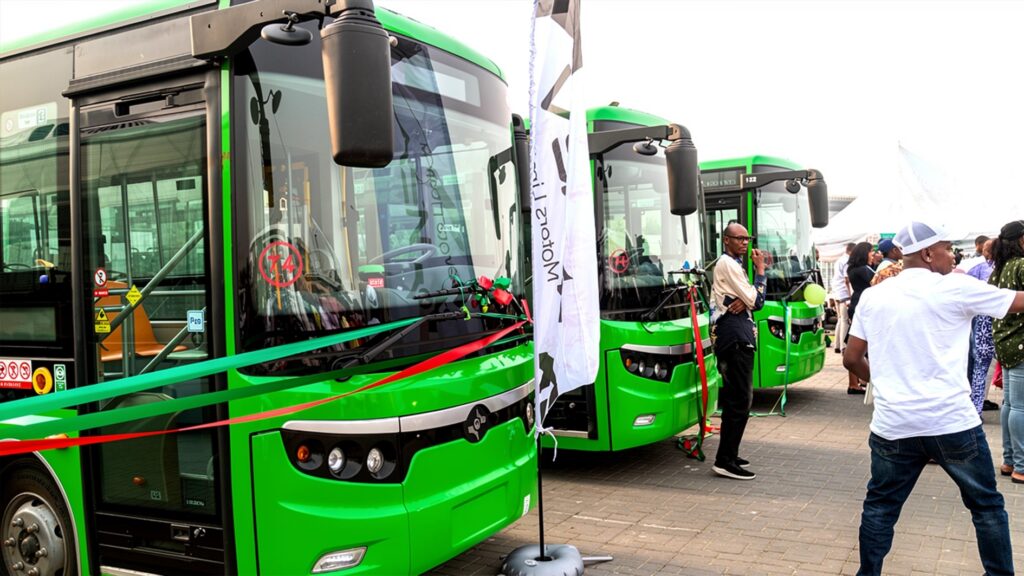
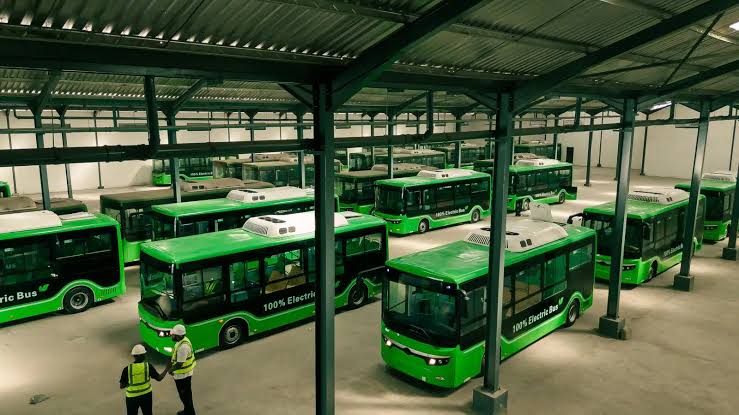
Public transport systems are also undergoing a potential transformation. The inclusion of mass transit buses within the zero duty framework encourages state governments to modernize their fleets.
Replacing aging diesel buses with electric alternatives not only reduces operational costs but also improves urban air quality and passenger experience.
This shift could redefine public transportation in major cities, making it quieter, cleaner, and more efficient.
Comparative Analysis
Petrol versus Electric Vehicles
| Feature | Petrol SUV | Electric Vehicle |
|---|---|---|
| Import duty | High | Zero |
| Additional levies | Present | None |
| Purchase cost | Higher overall | Lower due to incentives |
| Energy cost | Expensive and volatile | Lower and stable |
| Maintenance | Frequent servicing required | Minimal servicing needed |
| Environmental impact | High emissions | Zero tailpipe emissions |
This comparison highlights a fundamental shift in value perception. Electric vehicles are no longer positioned as premium alternatives but as economically rational choices.
The Broader Economic Implication
A shift beyond transportation
This policy does more than reshape the automotive market. It influences energy demand patterns, encourages renewable integration, and stimulates new business ecosystems around electric mobility.
From battery servicing to charging infrastructure to software driven fleet management, entirely new sectors are poised for growth.
Nigeria is effectively positioning itself at the forefront of a regional transition toward sustainable transport.
A Turning Point With Lasting Consequences
The removal of import duty on electric vehicles represents a decisive break from past policy frameworks. It introduces a new competitive landscape where efficiency, affordability, and sustainability converge.
For consumers, the decision making process around vehicle ownership is being fundamentally redefined. For businesses, the economics of transportation are being recalculated. For policymakers, the success of this initiative will serve as a benchmark for future reforms.
The electric vehicle price war unfolding in Nigeria is not simply about cheaper cars. It is about the emergence of a new mobility paradigm that aligns economic incentives with technological progress.
The road ahead will include challenges, particularly around power supply and infrastructure scalability. However, the direction is now unmistakable. Nigeria’s transport future is being rewritten, and the shift has already begun.
Read More On: