


Protecting your digital privacy is no longer something reserved for tech experts or security professionals. It has become a necessary life skill for anyone who owns a smartphone. Every tap, every search, and every movement you make with your phone can quietly generate data points that are collected, analyzed, and sometimes sold. Many apps are designed to function efficiently, but behind that convenience is often an ecosystem of tracking mechanisms that monitor your behavior far beyond what is required.
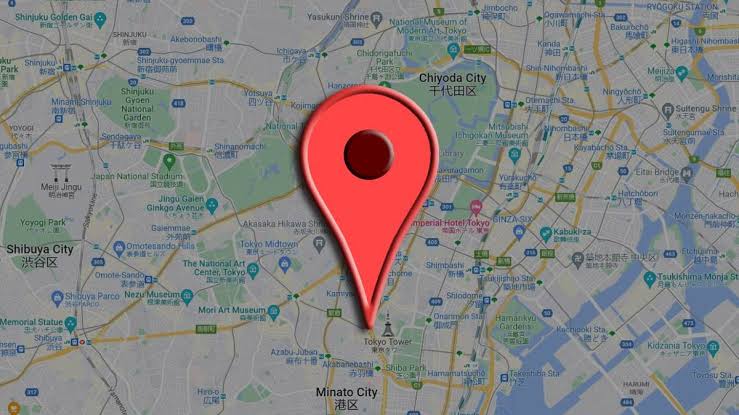
Think about how often your phone knows exactly where you are. It suggests nearby restaurants, predicts your commute time, and even shows ads related to places you recently visited. While some of this feels helpful, the deeper reality is that your location data is one of the most valuable pieces of personal information you own. It reveals your daily routines, habits, preferences, and even sensitive patterns such as where you live or work.
The good news is that you are not powerless. Both Android and iOS devices provide tools that allow you to take back control. The challenge is that many of these tools are buried deep inside settings menus or are misunderstood by the average user. This guide is designed to walk you through practical, step by step methods to significantly reduce or completely stop unnecessary location tracking.
Instead of simply listing tips, this guide explains the reasoning behind each action so you understand not just what to do, but why it matters. By the end, you will have a strong privacy setup that limits data collection while still allowing your phone to function smoothly.
Get TikTok SEO Cheat here
1. Master the While Using the App Permission
One of the biggest privacy leaks comes from apps that track your location even when you are not actively using them. Many apps request “Always Allow” access during setup, and most users accept this without thinking.
When an app has continuous access, it can track your movements throughout the day, even when it is running silently in the background. This means a simple weather or shopping app could be logging your daily routes.
How to fix it
Change location access to “While Using the App.” This ensures the app only knows your location when it is open on your screen.
Step by step
On iPhone
- Go to Settings
- Tap Privacy and Security
- Tap Location Services
- Select any app
- Choose While Using the App
On Android
- Go to Settings
- Tap Location
- Tap App Location Permissions
- Select an app
- Choose Allow only while using the app
Why this matters
This single change can stop continuous background tracking and significantly reduce how much data is collected about your daily movements.
2. Disable Precise Location for Non Essential Apps
Not every app needs to know your exact position down to your street or building. Many apps only require a general area to function properly.
Precise location gives apps highly accurate GPS coordinates. Approximate location gives a broader area instead.
How to use it wisely
Turn off precise location for apps like social media, shopping apps, or casual tools. Keep it on only for apps that genuinely need accuracy such as maps or ride hailing services.
How to do it
- Open your location settings
- Select an app
- Find the Precise Location toggle
- Turn it off
Privacy benefit
Apps will only see a rough location instead of your exact position, making it harder to track your specific movements.
3. Clear Hidden Location History Logs
Your phone quietly stores a history of places you visit frequently. This includes your home, workplace, and other regular locations.
This feature is often used for convenience such as predicting routes or suggesting destinations, but it also creates a detailed log of your life.
How to remove it
On iPhone
- Go to Settings
- Tap Privacy and Security
- Tap Location Services
- Scroll to System Services
- Tap Significant Locations
- Turn it off and clear history
On Android
- Open your Google Account
- Go to Data and Privacy
- Find Location History
- Turn it off and delete past data
Why it matters
If someone gains access to your account or device, this data can reveal your routines and sensitive locations.
4. Audit System Level Location Services
Your phone itself uses location data for system features like alerts, suggestions, and analytics. These are often overlooked but can still contribute to tracking.
What to check
Inside System Services, you will find options such as
- Location Based Alerts
- Location Based Suggestions
- Analytics and Improvements
What to do
Turn off any feature that does not directly benefit you. Most users do not need these enabled.
Result
You reduce unnecessary system level tracking and improve battery life at the same time.
5. Disable Cross App Tracking Requests
Some apps track your activity across other apps and websites to build a detailed advertising profile. This is not just about location but how your behavior is connected across platforms.
How to stop it on iPhone
- Go to Settings
- Tap Privacy and Security
- Tap Tracking
- Turn off Allow Apps to Request to Track
What this does
It automatically denies all apps permission to track your activity outside their own environment.
Impact
You significantly reduce targeted advertising and cross platform tracking.
6. Use a VPN to Hide Your Network Location
Even if GPS is turned off, apps can still estimate your location using your internet connection. This is done through your IP address.
A VPN hides your real IP address and replaces it with one from another location.
How it works
Your internet traffic is routed through a secure server, making it appear as if you are browsing from a different place.
Benefits
Prevents apps and websites from identifying your true location
Adds an extra layer of security when using public networks
Important note
Choose a trusted VPN provider to ensure your data remains secure.
7. Turn Off WiFi and Bluetooth Scanning
Many people assume turning off GPS is enough. However, your phone can still determine your location by scanning nearby WiFi networks and Bluetooth devices.
These signals are used to triangulate your position with surprising accuracy.
How to disable
- Go to Location settings
- Find Location Services or Advanced Settings
- Turn off WiFi Scanning
- Turn off Bluetooth Scanning
Result
Your phone stops constantly searching for nearby signals to estimate your location.
8. Control Location Access in Your Browser
Websites can also request your location when you visit them. If you allow access once, they may continue to remember it.
What to do
- Open your browser settings
- Go to Site Settings
- Tap Location
- Enable Ask before allowing
Also clear your browsing data regularly to remove stored permissions.
Why it matters
This prevents websites from continuously accessing your location without your awareness.
9. Use Airplane Mode for Complete Privacy
When you need absolute privacy, Airplane Mode is the fastest solution.
What it does
- Disables cellular connection
- Turns off WiFi and Bluetooth
- Stops GPS signals
When to use it
- During sensitive meetings
- When traveling
- When you want zero tracking for a period of time
Limitation
You will not receive calls, messages, or internet access while it is active.
10. Turn Off Global Location Services When Necessary
If you want complete control, you can disable location services entirely.
How to do it
- Go to Settings
- Tap Location Services
- Turn off the main toggle
Effect
No app or service can access your location at all.
Use carefully
This will affect apps like maps, delivery services, and device tracking features.
Summary Table for Quick Action
| Step | Platform | Main Benefit |
|---|---|---|
| While Using Permission | iOS and Android | Stops background tracking |
| Disable Precise Location | iOS and Android | Hides exact position |
| Clear Location History | iOS and Android | Removes stored movement data |
| System Services Audit | iOS | Reduces hidden tracking |
| Disable Tracking Requests | iOS | Blocks cross app tracking |
| Use VPN | Both | Masks IP based location |
| Turn Off Scanning | Android | Prevents signal based tracking |
| Browser Controls | Both | Stops website tracking |
| Airplane Mode | Both | Full temporary privacy |
| Global Location Off | Both | Complete shutdown of tracking |
Conclusion
Taking control of your location privacy is not about eliminating convenience. It is about setting boundaries. Your smartphone should work for you, not quietly report your movements to multiple unseen systems.
By applying these steps, you are not just improving your privacy. You are also becoming more aware of how digital systems operate around you. Small changes in your settings can lead to a massive reduction in how much of your personal life is exposed.
If you want to go even deeper, the next step would be learning how to detect suspicious behavior on your phone, such as signs that someone may be actively monitoring your activity.
Read More On: