


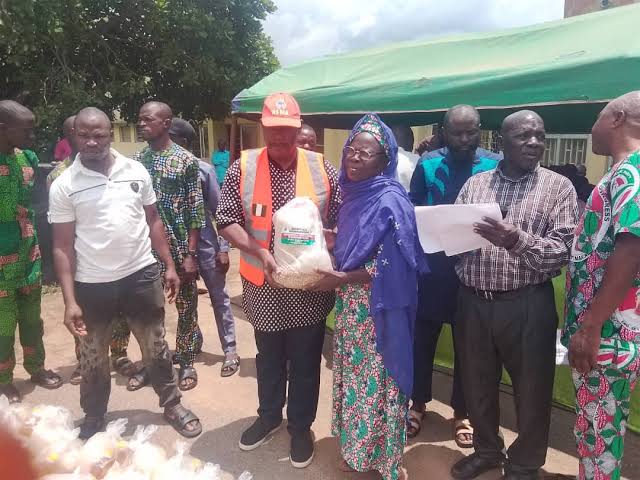
In a swift and coordinated humanitarian response to the devastating environmental impact of recent severe weather conditions in southwestern Nigeria, the National Emergency Management Agency has activated a large scale relief operation targeted at vulnerable communities in Oyo State. The intervention comes at a critical moment as intensifying rainfall patterns continue to expose structural weaknesses, disrupt livelihoods, and displace families across both rural and semi urban settlements.
The relief effort, executed through the Ibadan Operations Office, reflects a broader national strategy focused on rapid disaster response, community stabilization, and proactive risk reduction. For many affected residents, this intervention is not merely assistance but a crucial turning point between prolonged hardship and the beginning of recovery.
Widespread Impact Across Key Local Government Areas
The aftermath of the rainstorm revealed a troubling pattern of destruction stretching across multiple Local Government Areas within the Iseyin Iwajowa federal constituency. Communities that rely heavily on agriculture and small scale trading bore the brunt of the storm’s force, with roofs torn apart, farmlands flooded, and essential household structures compromised.
Entire families were forced out of their homes overnight as wind pressure lifted roofing sheets and heavy rainfall penetrated weakened buildings. In many cases, personal belongings, stored food supplies, and farming inputs were destroyed, leaving residents with little to fall back on.
Get TikTok SEO Cheat here
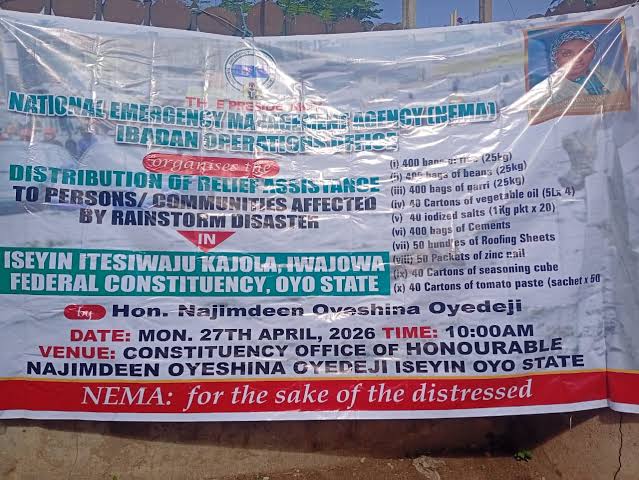
To ensure efficiency and fairness in distribution, the relief exercise was centralized at a strategic location in Iseyin. This allowed beneficiaries from Iseyin, Itesiwaju, Kajola, and Iwajowa to access support in an organized and monitored environment. The selection of this hub was deliberate, aimed at reaching those most severely affected while maintaining transparency and accountability.
Inside the Relief Packages Distributed to Victims
The intervention was carefully structured to address both urgent humanitarian needs and the longer term challenge of rebuilding damaged homes and restoring dignity.
Food Security Support
One of the immediate concerns following the disaster was access to food. Many households lost their stored grains and cooking supplies due to water damage. In response, relief packages included essential food items such as grains, salt, and vegetable oil.
These supplies are expected to sustain families through the critical recovery period, reducing the risk of hunger and nutritional deficiencies, especially among children and the elderly.
Rebuilding Materials for Structural Recovery
Beyond food, the most visible impact of the storm was structural damage. Homes across the affected communities suffered partial or total roof collapse. Recognizing this, the agency included building materials such as cement, roofing sheets, and nails in the relief packages.
This component of the intervention is particularly significant. It shifts the response from temporary relief to actual recovery, empowering residents to begin reconstructing their homes immediately rather than waiting indefinitely for external assistance.
Household Essentials for Displaced Families
For families currently staying in temporary shelters or with relatives, the provision of household essentials such as blankets, mats, and mattresses offers a measure of comfort during a deeply uncertain period.
These items may appear simple, but for displaced individuals who have lost nearly everything, they represent stability, warmth, and a sense of normalcy.
Human Stories Behind the Statistics
While the scale of the intervention is impressive, the real impact is best understood through the experiences of the people it serves.
Residents described the storm as sudden and overwhelming. Many recounted how strong winds began tearing through their communities, followed by heavy rainfall that quickly flooded homes and compounds. Within hours, entire neighborhoods were left exposed to the elements.
For low income earners, artisans, and farmers, the cost of rebuilding without assistance would have been nearly impossible. The distribution of roofing materials and cement has therefore been widely described as a lifeline.
Community representatives expressed deep appreciation, emphasizing that the support arrived at a time when hope was beginning to fade.
A Strong Message on Disaster Risk Reduction
While relief distribution formed the core of the exercise, officials used the opportunity to emphasize the importance of disaster preparedness and risk reduction.
Residents were educated on practical steps that can significantly reduce vulnerability to future weather events.
Strengthening Residential Structures
Homeowners were encouraged to reinforce roofing structures, ensure proper fastening of sheets, and use quality materials during construction. Weak roofing remains one of the most common causes of damage during windstorms.
Environmental Management Practices
Clearing drainage systems was highlighted as a critical preventive measure. Blocked gutters often lead to flooding, which weakens building foundations and increases the likelihood of collapse.
Community members were also advised to avoid indiscriminate waste disposal, which contributes to water blockage and environmental degradation.
Tree Management and Wind Protection
Pruning overgrown trees and removing weak branches can prevent additional hazards during storms. Falling branches frequently damage roofs and power lines, compounding the impact of heavy rainfall.
Avoiding High Risk Areas
Residents were strongly advised against building on floodplains or environmentally unstable land. Such locations significantly increase exposure to flooding and erosion.
Collaboration That Ensures Transparency and Efficiency
One of the standout features of the intervention was the strong collaboration among multiple stakeholders. The presence of security agencies, government representatives, and community leaders ensured that the distribution process remained orderly and transparent.
This multi layer oversight system serves several purposes. It prevents diversion of materials, guarantees that only verified victims receive assistance, and builds public trust in the process.
The coordinated approach also highlights the importance of inter agency cooperation in disaster management. No single organization can effectively handle large scale emergencies alone. It requires a unified effort that combines resources, expertise, and local knowledge.
The Broader Implications for National Disaster Preparedness
This intervention is not an isolated response but part of a broader national effort to strengthen disaster management systems.
As rainfall patterns become increasingly unpredictable, the need for proactive strategies has never been more urgent. Rapid urbanization, poor drainage infrastructure, and environmental neglect continue to amplify the impact of natural disasters.
The ongoing response in Oyo State serves as a reminder that effective disaster management must combine immediate relief with long term planning. It is not enough to respond after damage has occurred. Communities must be equipped with the knowledge and resources to prevent or minimize future risks.
Practical Safety Measures for Residents During the Rainy Season
In light of the current weather conditions, residents are urged to adopt simple but effective safety practices.
Inspect Roofing Structures Regularly
Ensure that roofing sheets are firmly secured and replace any weak components before heavy rainfall begins.
Maintain Clear Drainage Systems
Regularly remove debris from gutters and drainage channels to allow free flow of water.
Manage Surrounding Vegetation
Trim trees and remove unstable branches that could fall during strong winds.
Stay Informed Through Official Channels
Follow updates and warnings from relevant authorities to stay ahead of potential hazards.
For the affected communities in Oyo State, this intervention represents more than material support. It is a reassurance that they are not alone in their struggle. It restores a sense of dignity and provides a pathway toward rebuilding lives disrupted by forces beyond their control.
At the same time, it underscores an important reality. As environmental challenges continue to evolve, resilience must become a shared responsibility between government agencies and local communities.
The success of this relief effort lies not only in what has been distributed but in the awareness it has created. With the right knowledge, preparation, and continued support, these communities can move from vulnerability to strength, better equipped to face whatever challenges the rainy season may bring.
Read More On: