



For a long time, the idea of a home gym represented discipline, status, and commitment to fitness. People filled rooms with weights, machines, and screens designed to push the body to its limits. That approach worked for physical strength, yet it often ignored another essential part of health.
Today, the focus is shifting. Life has become faster, noisier, and more mentally demanding. Many people now deal with constant stimulation, high stress levels, and mental fatigue. Because of this, the most valuable space in a home is no longer one built for intense effort. It is a space designed for restoration.
This is where the concept of a Recovery Zone comes in. It is a calm, intentional environment created to help the body heal, the mind reset, and the nervous system return to balance.
Why Recovery Matters More Than Ever
Exercise places stress on the body. Work, digital exposure, and daily responsibilities add even more pressure. Without proper recovery, the body remains in a heightened state of alertness.
Get TikTok SEO Cheat here
This state is known as the fight response. It increases heart rate, raises stress hormones, and keeps the mind active even when rest is needed.
True recovery activates the opposite response. This is the rest state. In this mode, the body slows down, repairs itself, and restores energy.
What Happens During Proper Recovery
• Heart rate decreases
• Stress hormones reduce
• Muscles rebuild and strengthen
• The brain processes information and improves clarity
• The body restores balance at a cellular level
A Recovery Zone is designed to encourage this state naturally.
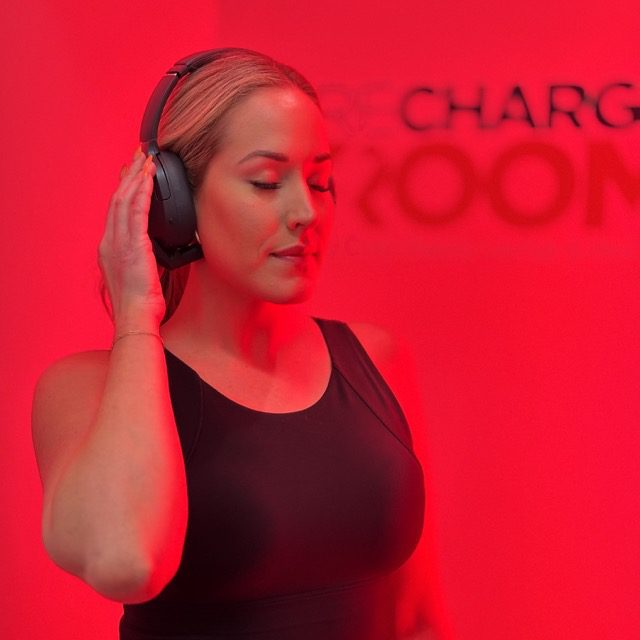
Element One: Light Therapy for Cellular Support
Light can do more than illuminate a room. Certain types of light can reach beneath the skin and support the body from within.
Read More On:
- ECOWAS Investment Drive Puts Nigeria Infrastructure Projects at the Center of $266.7M Plan
- Africa Technology Expo Targets Massive Deal Growth in Lagos.
- Nigeria Releases Oil and Gas Reserves Data with Fresh Insights
- Nigeria Faces Inflation Uncertainty Despite Recent Economic Gains.
How It Works
Near infrared and red light reach deep into tissues. They interact with cells and improve energy production.
Benefits
• Increased blood circulation
• Support for muscle repair
• Reduction in joint discomfort
• Improved skin health
• Faster recovery after physical effort
How to Set It Up
• Choose a high quality light panel
• Position it at a comfortable distance from your body
• Use it while sitting or lying down
• Keep sessions between ten and twenty minutes
• Repeat several times each week
This practice acts like a recharge system for the body.
Element Two: Physical Grounding for Stability
The body responds strongly to physical sensations. Gentle pressure and contact with natural surfaces can create a sense of safety and calm.
Weighted Support
Weighted blankets or lap pads provide steady pressure across the body.
Benefits
• Encourages relaxation
• Reduces stress levels
• Promotes deeper rest
• Improves emotional balance

Grounding Practices
Grounding involves connecting your body to natural surfaces or conductive materials.
Methods
• Use grounding mats placed on the floor
• Sit or lie down with bare feet touching textured surfaces
• Include natural materials such as wool, jute, or stone
These practices help bring attention back to the body rather than external distractions.
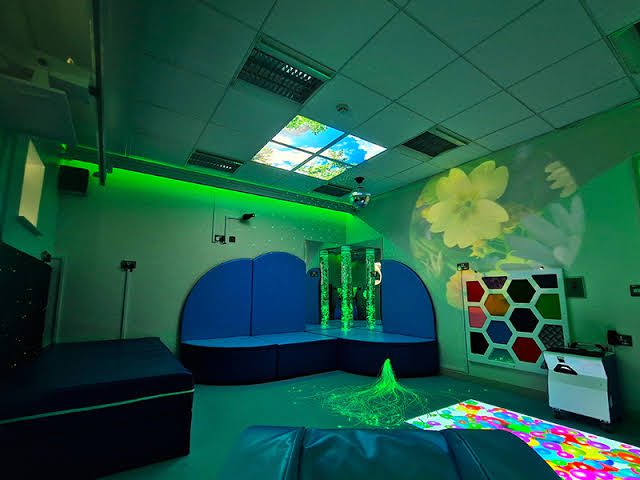
Element Three: Creating a Calm Sensory Environment
Modern living often includes constant noise, bright lighting, and digital interruptions. A Recovery Zone removes these distractions.
Sound Control
• Use thick curtains or soft furnishings to reduce noise
• Choose calming background sounds such as low frequency tones
• Keep the environment quiet and steady
Read More On:
- Oil Surges Past $111 as Global Markets React
- Understanding AI Privacy and How to Stay Safe.
- Wabi Sabi Living: How to Create Beautifully Imperfect Clay Pieces for Your Kitchen.
- Tinubu Appoints Dalhatu Abubakar as NCX Chairman in Major Economic Reform Move
Lighting Control
• Use warm toned lighting instead of harsh brightness
• Keep lights dim and soothing
• Avoid strong artificial colors that strain the eyes
Technology Boundaries
• Keep phones and screens outside the room
• Avoid notifications and digital interruptions
• Allow the mind to fully disconnect
This creates a peaceful space where the brain can rest.
Designing Your Recovery Space
Transforming a room into a Recovery Zone requires a shift in mindset. The goal is comfort, simplicity, and calm.
Layout Ideas
• Replace hard flooring with soft mats or rugs
• Include a comfortable place to sit or lie down
• Keep the space open and uncluttered
Visual Simplicity
• Store equipment out of sight
• Use neutral colors and natural textures
• Maintain a clean and calming appearance
Scent and Atmosphere
• Use natural oils such as sandalwood or cedarwood
• Avoid strong or overly stimulating fragrances
• Keep the air fresh and subtle
A Simple Daily Recovery Routine
Using the space consistently is key. Even a short session can make a difference.
Suggested Routine
• Spend the first few minutes settling into the space
• Sit quietly and focus on your breathing
• Use light therapy if available
• Wrap yourself in a weighted blanket
• Pay attention to physical sensations such as warmth or texture
• Remain in the space for twenty to thirty minutes
When leaving, move slowly and carry the calm feeling into the rest of your day.
Long Term Benefits
Creating a Recovery Zone is an investment in overall well being.
Expected Results
• Improved sleep quality
• Better focus and mental clarity
• Reduced stress levels
• Faster recovery after physical activity
• Greater emotional balance
Final Thoughts
A healthy life is not only about effort. It is also about restoration. By creating a space dedicated to recovery, you allow your body and mind to function at their best.
In today’s fast paced world, the ability to rest deeply is a powerful advantage. A Recovery Zone provides that opportunity, helping you feel stronger, calmer, and more prepared for whatever comes next.
Read More On:
- Nigeria’s Blue Economy Generates ₦1.83 Trillion as Maritime Revenue Surges
- The Endurance King: Vivo V70 FE Delivers Unmatched Battery Life
- Redmi Note 15 SE: The Smartphone That Redefines Affordable Excellence
- How To Use Limewash to Create a Soft and Textured Interior
- Oluremi Tinubu Launches Food Bank with Dangote, NNPC Support