

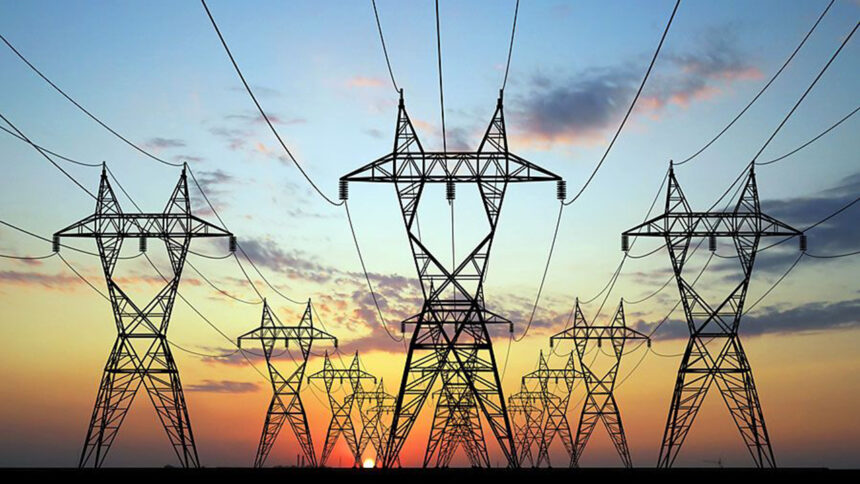
Lagos has entered a decisive moment in its energy story, one that signals a profound shift in how electricity is planned, delivered, and experienced across the state. In a recent public briefing led by the Commissioner for Energy and Mineral Resources, Mr Biodun Ogunleye, the government laid out a bold direction aimed at ending the long standing electricity band classification that has shaped consumer experience for years. This classification system, managed under the Nigerian Electricity Regulatory Commission, has often been associated with uneven access to power, where some communities receive significantly more supply hours than others based on assigned categories.
The new direction being pursued by Lagos is not simply a technical adjustment. It represents a political and economic statement about fairness, access, and modernization. At the center of this transformation is the Lagos State Electricity Regulatory Commission, known as LASERC, which is now positioned as the primary authority guiding electricity governance within the state. Alongside this is the Independent System Operator known as LAISO, designed to coordinate energy flow, stabilize distribution, and support a more competitive electricity environment.
What makes this development particularly significant is its ambition. Lagos is not merely attempting to improve supply within an existing framework. It is actively working toward a complete restructuring of how electricity is generated, distributed, regulated, and paid for. The vision being presented is one of continuous supply across residential, commercial, and industrial areas, supported by private investment, advanced monitoring systems, and full consumer accountability through metering.
This report explores the major elements of the reform, the motivations behind the policy shift, and the expected impact on households, businesses, and the wider economy.
Get TikTok SEO Cheat here
The End of the Electricity Band Classification
For years, electricity distribution has been organized through a band system that grouped consumers based on expected supply levels. While intended as a management tool for limited generation capacity, it gradually created visible inequality in access to electricity.
Under this arrangement, some neighborhoods consistently enjoyed longer hours of supply, while others were left with minimal and often unpredictable electricity availability. This disparity contributed to widespread dissatisfaction among residents and placed additional financial pressure on households and businesses that had to rely on alternative power sources.
The Lagos government now argues that the system has outlived its usefulness. Officials describe it as a framework built around scarcity rather than progress. By removing these classifications, the state aims to eliminate the perception that electricity access should vary based on location or economic status.
Instead, the focus is shifting toward a unified electricity market where supply is determined by infrastructure capacity, investment efficiency, and regulatory enforcement rather than predefined consumer categories.
Regulatory Transformation and Institutional Roles
A major pillar of the reform is the strengthening of state level regulation through LASERC. This body now plays a central role in overseeing electricity generation and distribution within Lagos. Its mandate includes licensing, pricing oversight, consumer protection, and enforcement of service standards.
Working alongside LASERC is LAISO, the Independent System Operator, which functions as the operational backbone of the electricity network. Its responsibilities include balancing supply and demand, coordinating electricity dispatch from multiple producers, and ensuring system stability across the grid.
This dual structure reflects a shift toward decentralization of power governance. Rather than relying heavily on federal oversight, Lagos is building a localized system that allows for faster decision making and more direct accountability.
The state also emphasizes the role of private sector participation. Independent power producers are being integrated into the system to expand generation capacity and reduce dependence on a single centralized grid source.
Infrastructure Expansion and Embedded Generation Strategy
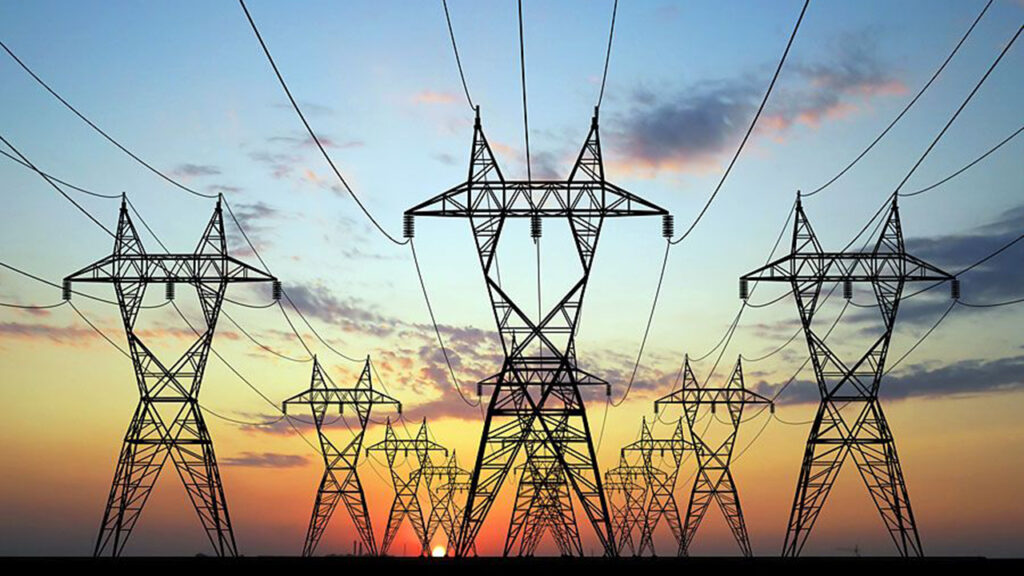
A key component of the reform is the expansion of embedded power generation. This involves locating power plants closer to consumption areas rather than relying solely on distant national generation sources.
The objective is to significantly increase available megawatt capacity within the state through partnerships with private investors. By doing so, Lagos aims to reduce transmission losses, improve reliability, and ensure more stable supply across industrial and residential zones.
This strategy also supports the creation of designated industrial corridors where electricity supply is prioritized for continuous production activities. Areas such as Epe, Ikorodu, and Badagry are being positioned as strategic economic zones where power availability is expected to support manufacturing growth and large scale commercial activity.
The embedded generation approach is seen as a practical response to long standing infrastructure challenges that have affected consistent electricity delivery.
Consumer Metering and Transparency Reform
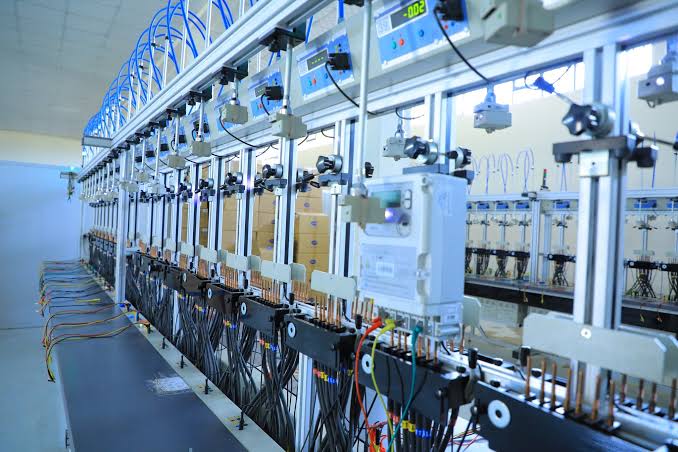
Another major element of the policy shift is the push toward full metering coverage. The government has announced an ambitious plan to ensure that all electricity consumers are equipped with functional meters, eliminating estimated billing practices that have been a source of long standing dispute.
The goal is to create a system where electricity consumption is measured accurately and billed transparently. This is expected to improve trust between consumers and distribution companies while also encouraging more efficient energy usage.
In addition to physical meters, the state is introducing digital monitoring tools designed to track energy flow and detect disruptions in real time. This system, described as an advanced monitoring network, is expected to improve accountability and reduce prolonged outages by identifying faults quickly.
Economic Implications and Market Restructuring
The removal of electricity bands is expected to have wide reaching economic consequences. Businesses, particularly small and medium enterprises, stand to benefit from more stable electricity supply, which reduces reliance on expensive alternative power sources.
Manufacturing and retail sectors may experience reduced operating costs, allowing for improved competitiveness and expansion opportunities. For industrial operators, consistent power supply is critical to maintaining production schedules and reducing downtime losses.
The reform also introduces a more market driven electricity environment. Pricing and distribution will increasingly reflect actual consumption patterns and investment levels rather than fixed categories. This is expected to encourage more private sector participation and stimulate infrastructure development.
At the household level, improved supply reliability could reduce the financial burden associated with fuel purchases for generators and other backup systems.
Comparative Overview of the Electricity Transition
Feature description comparison
Regulation system
- Old arrangement centralized federal oversight under national authority
- New arrangement structured state led regulation under LASERC
Supply structure
- Old arrangement categorized distribution based on consumer bands
- New arrangement unified distribution based on market and infrastructure capacity
Electricity access model
- Old arrangement managed and limited supply hours depending on location
- New arrangement targeted continuous supply through expanded generation
Metering system
- Old arrangement widespread estimated billing challenges
- New arrangement full metering coverage with digital monitoring support
Grid architecture
- Old arrangement dependent on centralized national grid system
- New arrangement hybrid model combining independent local grid management and embedded generation
Conclusion
Lagos is entering a transformative phase in its electricity journey, moving away from a segmented and scarcity driven model toward a unified and market oriented system. The elimination of electricity bands signals more than policy adjustment. It reflects a broader ambition to redefine energy access as a consistent and equitable service for all residents.
Through LASERC and LAISO, the state is building a governance and operational structure designed to support reliability, transparency, and investment driven expansion. With embedded generation, full metering, and digital monitoring systems forming the backbone of this transition, Lagos is positioning itself as a leader in subnational electricity reform.
If successfully implemented, this shift could reshape not only how electricity is experienced within the state but also how urban energy systems are designed across similar economies facing infrastructure constraints and growing demand.
Read More On: